
Why Vitamin D Levels Drop Even in Summer
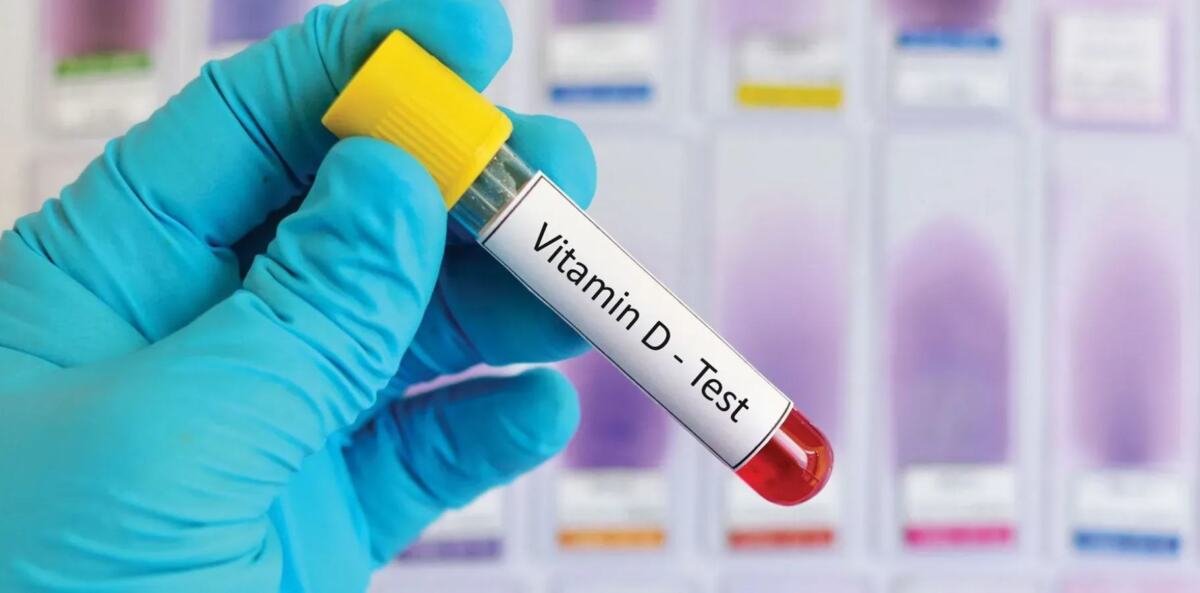
Summer is usually associated with the sun, walks and relaxation, so it seems to many that it is during this period that you can not think about vitamin D at all. But in practice, low levels of vitamin D are detected in June, July and August. The reason is simple: the sunny season in itself does not guarantee that the body will produce enough of this vitamin. Its level is affected not only by sunny days, but also by how much time a person actually spends outdoors, what type of skin they have, whether they are overweight, intestinal, kidney or liver diseases, as well as what medications they take. To assess vitamin D reserves, the level of 25-hydroxyvitamin D in the blood is usually determined - this indicator is considered the main one.
There is a lot of sun, but the skin hardly gets any.
The most common reason is much more banal than it seems. In the summer, people do see the sun more often, but this does not mean that the skin actually receives sufficient exposure to produce vitamin D. Part of the day is spent in the office, transport, car, at home, in shops or in air-conditioned rooms. Even on vacation, many people sit in the shade, wear closed clothes or constantly use sunscreen. In such a situation, there is a sunny season, but the synthesis of vitamin D is not. That is why low vitamin D in the summer is not at all uncommon.
Darker skin — higher risk of deficiency
People with darker skin produce vitamin D more slowly. This is due to a higher amount of melanin, which reduces the efficiency of vitamin D formation under the influence of the sun. In practice, this means a simple thing: two people can spend the same amount of time outdoors in the summer, but the results of their analysis will be different. Therefore, low levels of vitamin D in the warm season in people with darker skin is a completely real and understandable situation.
Age also has a strong influence on the result.
As we age, our skin produces vitamin D less efficiently, and our kidneys are less able to convert it into a form the body can use. This makes older people more likely to be deficient or insufficent, even if they spend the summer quite actively. So for older people, the phrase «I’ve been in the sun» doesn’t always explain their actual vitamin D levels.
Excess weight can “hide” vitamin D
Another reason that is often overlooked is being overweight or obese. Vitamin D is partly stored in fat tissue, so its level in the blood can be lower. This is why a person can eat normally, spend time in the sun and still get a low test result. This is one reason why the advice to «walk more» alone is sometimes not enough.

The problem may not be in the sun, but in the gut
Vitamin D belongs to the fat-soluble vitamins, so the state of the digestive system is important for its normal absorption. If a person has intestinal disease or other malabsorption disorders, the level may remain low at any time of the year. This happens, for example, with celiac disease, Crohn's disease, ulcerative colitis or after operations that change the functioning of the gastrointestinal tract. In such cases, simply "walking in the sun" is usually not enough.
The liver and kidneys also participate in this process.
Vitamin D doesn’t just enter the body – it has to go through several stages of transformation. The liver and kidneys are involved in this. If their work is disrupted, vitamin D levels can be low or insufficient even for no apparent reason. That’s why, with a persistently low level, it’s sometimes important to look beyond the obvious and not just look for an explanation in the lack of sun.
Some medications also reduce vitamin D levels.
Another factor that is easy to overlook is the constant intake of medications. Some medications can affect the absorption or metabolism of vitamin D. If a person regularly takes medications and despite the summer, the level does not increase, it is worth discussing this with a doctor. In such a situation analysis often shows not a "strange paradox", but the real effect of medications on metabolism.
It is difficult to cover the deficit with food
Many people think that it is enough to «increase the intake of healthy foods» and the problem will be solved. But there are few natural food sources of vitamin D. Most often, these are fatty fish, egg yolks, liver, some mushrooms and specially fortified foods. In real nutrition, most people do not get enough vitamin D from food, especially if solar synthesis is also low. That is why the deficiency can persist even in the summer, if you rely only on your diet.
What symptoms may indicate low vitamin D?
Vitamin D deficiency doesn't always give you bright symptoms. Sometimes a person does not feel anything specific for years. But some people may experience bone pain, muscle weakness, increased fatigue, decreased endurance, more frequent bone fractures, or slower recovery from exertion. Severe deficiency in adults is associated with softening of bone tissue, and prolonged deficiency is associated with decreased bone density and risk of fractures.
Who should especially consider analysis?
It is usually not necessary to check vitamin D «just in case» for everyone. But there are groups for whom such an analysis is much more justified. These are older people, people with darker skin, those who rarely spend time in the sun, those who are obese, have intestinal, kidney or liver diseases, have undergone surgery on the gastrointestinal tract, as well as those who have signs of osteopenia, osteoporosis, frequent fractures, bone pain or muscle weakness. In such situations, the analysis provides not just a number, but a useful answer that can influence further decisions.
What kind of analysis is needed?
To check vitamin D levels, a test is usually prescribed. 25-hydroxyvitamin D test. It shows how much vitamin D is actually in the body. Another form — active vitamin D — is not suitable for routine assessment of deficiency and is more often used in certain situations, for example, in kidney diseases or calcium metabolism disorders. Therefore, if a person wants to understand whether there is a deficiency, it is necessary to focus on this basic test.
What does a “low” result mean?
To assess vitamin D status, the level of 25-hydroxyvitamin D in the blood is usually used. For most people, a level of 50 nmol/L, or 20 ng/mL, is considered sufficient, and the risk of deficiency increases at levels below 30 nmol/L, or 12 ng/mL. However, it is important to note that different laboratories and clinical schools may use slightly different thresholds, so it is better to interpret the number not in isolation, but together with symptoms, age and risk factors.
Can you increase vitamin D with just the sun?
Sometimes yes, but not always. If a person is young, has lighter skin, spends enough time outside, does not have problems with weight, absorption and chronic diseases, the summer period can improve the situation. But in many cases, the sun is not enough - either because there is not enough of it or because the body cannot properly use this resource. That is why vitamin D can remain low even after summer.
What to do if your vitamin D levels are low
The first mistake is to immediately start taking large doses on your own. Excess vitamin D is also harmful: it can increase calcium in the blood and damage the kidneys. Therefore, if the analysis showed a low level, it is better not to just “drink something for prevention”, but to understand the reason. For some, the issue is solved with supplements, for others - by adjusting the diet, and for others, you have to work separately with diseases of the intestines, kidneys, liver or weight. That is why the same result in different people does not always mean the same tactics.
What often prevents you from raising your level?
Most often, it is the hope that everything will be resolved «after the summer». Also hindering are irregular intake of supplements, attempts to treat themselves randomly with large doses, ignoring the main cause of the deficiency and the belief that if a person is outdoors, the problem is automatically eliminated. In fact, low vitamin D levels often turn out to be a combination of several factors at once.
What to remember
Summer is not an automatic protection against vitamin D deficiency. A low level can occur even in the sunny season if a person is rarely exposed to direct sunlight, has darker skin, is older, is overweight, has problems with the intestines, liver or kidneys, or is constantly taking certain medications. That is why vitamin D is not only a story about the weather, but also about the entire lifestyle and the state of the body in general. If there are risk factors or symptoms, it is better not to guess, but to check the level and start from there.

Director of Medi Lab Plus LLC, a doctor of the highest category. Has over 45 years of practical experience in medicine and laboratory diagnostics. Founder and head of the laboratory since 2007. More details…

