
TOP 5 tests that everyone should take every year
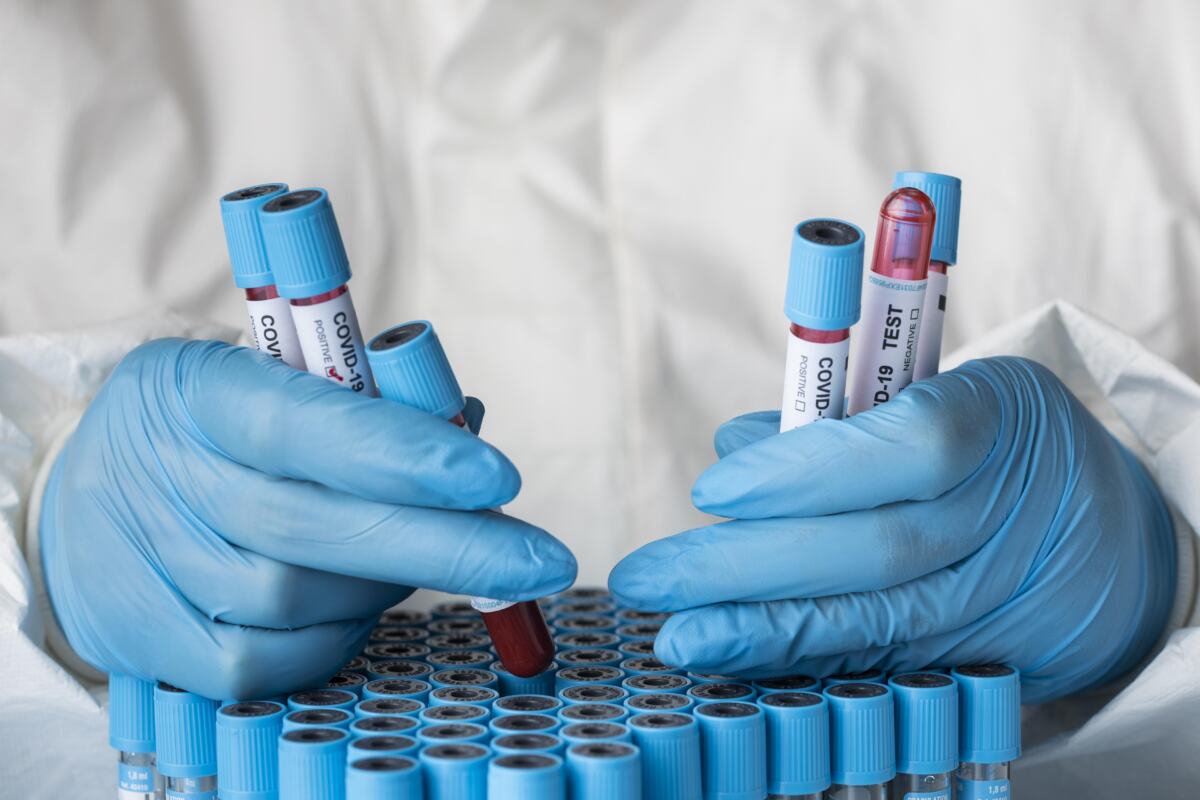
The idea of an annual checkup seems simple: get a few basic tests and make sure everything is under control. But it’s important to be honest here: there is no one-size-fits-all list that everyone needs every year. The frequency of screenings depends on age, lifestyle, weight, genetics, symptoms, and chronic diseases. For example, screening for prediabetes and diabetes is not recommended for everyone, but primarily for adults aged 35–70 who are overweight or obese, and with normal results, it is often enough to repeat it about once every 3 years. Similarly, cholesterol testing is not always necessary every year: for adults with low cardiovascular risk, the American Heart Association indicates an interval of about 5 years.
Despite this, there are basic tests, which most often make sense in a preventive examination and help not to miss the most common problems. This is not a rigid universal package “for everyone”, but a reasonable basis from which it is convenient to start during the annual check-up.
Complete blood count
A complete blood count remains one of the most practical initial tests. It shows the number and characteristics of the main blood cells: red blood cells, white blood cells and platelets, as well as hemoglobin and hematocrit. That is why it can indicate anemia, signs of infection, inflammation or other changes that do not always have obvious symptoms.
This test is especially useful because it often gives the first clue as to where to look next. If a person is concerned about weakness, paleness, frequent colds, bruising, or unexplained fatigue, a complete blood count is often the first step.
Glucose or HbA1c
The second important area is checking sugar levels. This usually involves either blood glucose or HbA1c. Glucose shows the sugar level at the time of blood sampling, while HbA1c reflects the average glucose level over the past 2–3 months. This is why such tests are especially important for people who are overweight, have high blood pressure, have a family history of diabetes, or have a sedentary lifestyle.
Even if a person feels normal, carbohydrate metabolism disorders may not cause pronounced symptoms for a long time. Therefore, checking blood sugar is one of the most useful points of a preventive examination.

Lipid profile
Lipid profile is needed to assess cholesterol and overall cardiovascular risk. It usually includes total cholesterol, LDL, HDL, and triglycerides. High cholesterol may not cause any symptoms for years, but it can gradually increase the risk of cardiovascular disease.
That's why the lipid profile remains one of the most important tests for adults. But here too, it's worth remembering: not everyone needs to have it checked "once a year." If the risk is low, the interval may be longer, and if there is a heredity, hypertension, diabetes, or overweight, the doctor may advise you to be checked more often.
Creatinine and baseline assessment of kidney function
Creatinine is a simple but very useful indicator of kidney function. It is measured in the blood and sometimes additionally in the urine. Elevated creatinine can be a sign that the kidneys are not working as efficiently as they should.
This test is especially important for people with high blood pressure, diabetes, edema, or those who are constantly taking medications that can affect the kidneys. Kidney function testing is often underestimated during annual checkups, although it sometimes helps to detect changes before obvious complaints appear.
General urine analysis
General urine test — another simple but very informative test. It can indicate problems with the kidneys, urinary tract, inflammatory processes, and sometimes indirectly indicate metabolic disorders. That is why it is often included in the basic preventive examination.
Its advantage is that it is simple, affordable and can show changes in time that a person does not yet feel. If protein, red blood cells, white blood cells or other abnormalities appear in the analysis, this is a reason not to be afraid, but to understand further.
What are the 5 most common tests included in a basic annual checkup?
| Analysis | What helps to evaluate |
|---|---|
| Complete blood count | anemia, infections, general state of hematopoiesis |
| Glucose or HbA1c | risk of prediabetes and diabetes |
| Lipid profile | cholesterol and cardiovascular risk |
| Creatinine | kidney function |
| General urine analysis | condition of the urinary system and partly of the kidneys |
Such a list does not replace an individual consultation, but it works well as a practical basis for talking to a doctor about a preventive examination.
For whom this list may not be enough
Even the best basic checklist won’t cover all situations in life. If you have symptoms, are pregnant, have chronic medical conditions, have a family history of heart disease, diabetes, kidney problems, or are taking medications, this list may not be enough. In such cases, your doctor may want to add other tests or change the frequency of your screening. For example, some people may benefit from having their lipoprotein(a) levels checked at least once in their lifetime, while others may benefit from more frequent screening for blood sugar or kidney function.
What to remember
The best approach to annual tests is not to look for one universal “perfect package”, but to have a reasonable base and adjust it to your age, lifestyle and risks. If we talk about the practical minimum, then most often it is worth starting with a complete blood count, glucose or HbA1c, lipid profile, creatinine and a complete urinalysis. This is not because absolutely everyone needs them every year, but because they are the ones that most often provide useful information for preventive health monitoring.

Director of Medi Lab Plus LLC, a doctor of the highest category. Has over 45 years of practical experience in medicine and laboratory diagnostics. Founder and head of the laboratory since 2007. More details…

