

Glycosylated hemoglobin (HbA1c)
350 UAH
Glycosylated hemoglobin (HbA1c) — is a laboratory test that shows the average level of sugar (glucose) in the blood over the past 2–3 months. Unlike a conventional fasting test, this indicator does not depend on random fluctuations, stress, or the last meal. The test is the «gold standard» for diagnosing diabetes, detecting prediabetes, and assessing the effectiveness of glucose control over time.
Glycosylated hemoglobin (HbA1c) is an important indicator for determining the level of glucose in the blood over a certain period of time. This biochemical marker is particularly useful for diagnosing and monitoring diabetes. Let's look at what HbA1c is, how it is formed, and what role it plays in the diagnosis and control of diabetes.
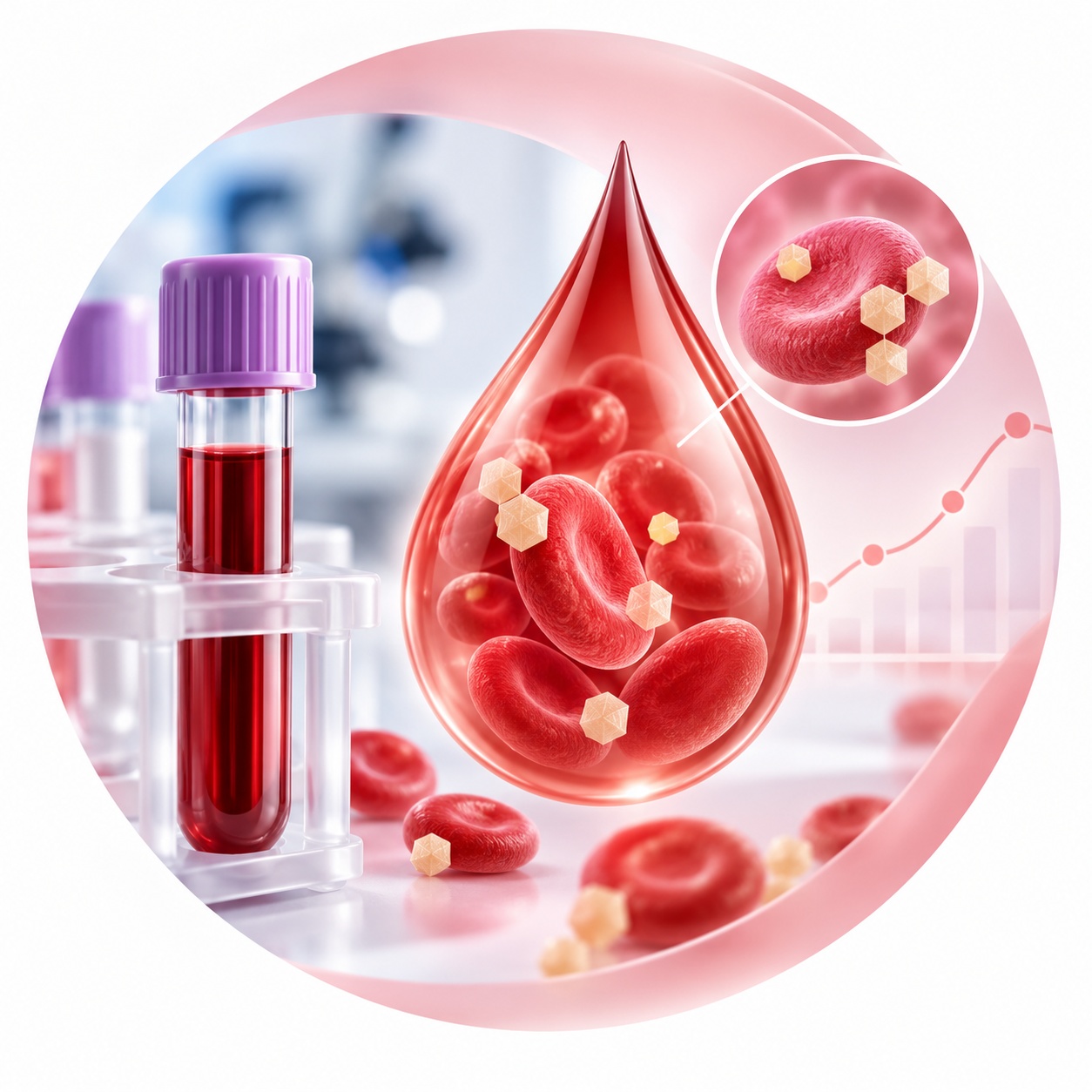
HbA1c is a product of a chemical reaction between hemoglobin and glucose in the blood. Hemoglobin is a protein found in red blood cells that carries oxygen from the lungs to the tissues and organs. When blood glucose levels are high, some of it binds to the hemoglobin molecule. This reaction occurs slowly but continuously over a long period of time.
HbA1c is measured as a percentage and reflects the average blood glucose level over the past 2-3 months. Why this period? This term is associated with the lifespan of red blood cells. They exist for approximately 120 days, and during this time hemoglobin is completely renewed. Since part of the glucose is fixed on the hemoglobin molecule, HbA1c provides information about the average blood sugar level over this period.
For people with diabetes, measuring HbA1c is an important tool for controlling blood glucose levels. This indicator helps doctors and patients understand how effective treatment is and whether adjustments need to be made. A decrease in HbA1c may indicate improved diabetes control, while an increase may indicate its instability and risk of complications.
For people without diabetes, a normal HbA1c level is usually less than 5.71 TP3T. Pre-diabetes is diagnosed at levels between 5.71 TP3T and 6.41 TP3T, and diabetes is diagnosed at values of 6.51 TP3T or higher.
It is important to note that there are some limitations to HbA1c assessment. For example, it can be distorted in cases where the lifespan of red blood cells is altered (e.g., in anemia) or when the normal structure of hemoglobin is disrupted. It is also important to remember that HbA1c reflects average glucose levels and does not provide information about fluctuations throughout the day.
Therefore, glycosylated hemoglobin (HbA1c) is an important biochemical indicator used to assess the average blood glucose level over a long period. For people with diabetes, this indicator is an important tool for monitoring the disease and the effectiveness of treatment. It helps patients and doctors make informed decisions about the diagnosis, treatment and control of diabetes.
| Execution time | 1 day |
|---|---|
| Type of biomaterial | Venous blood |
Useful tests