Total protein (Protein total)
150 UAH
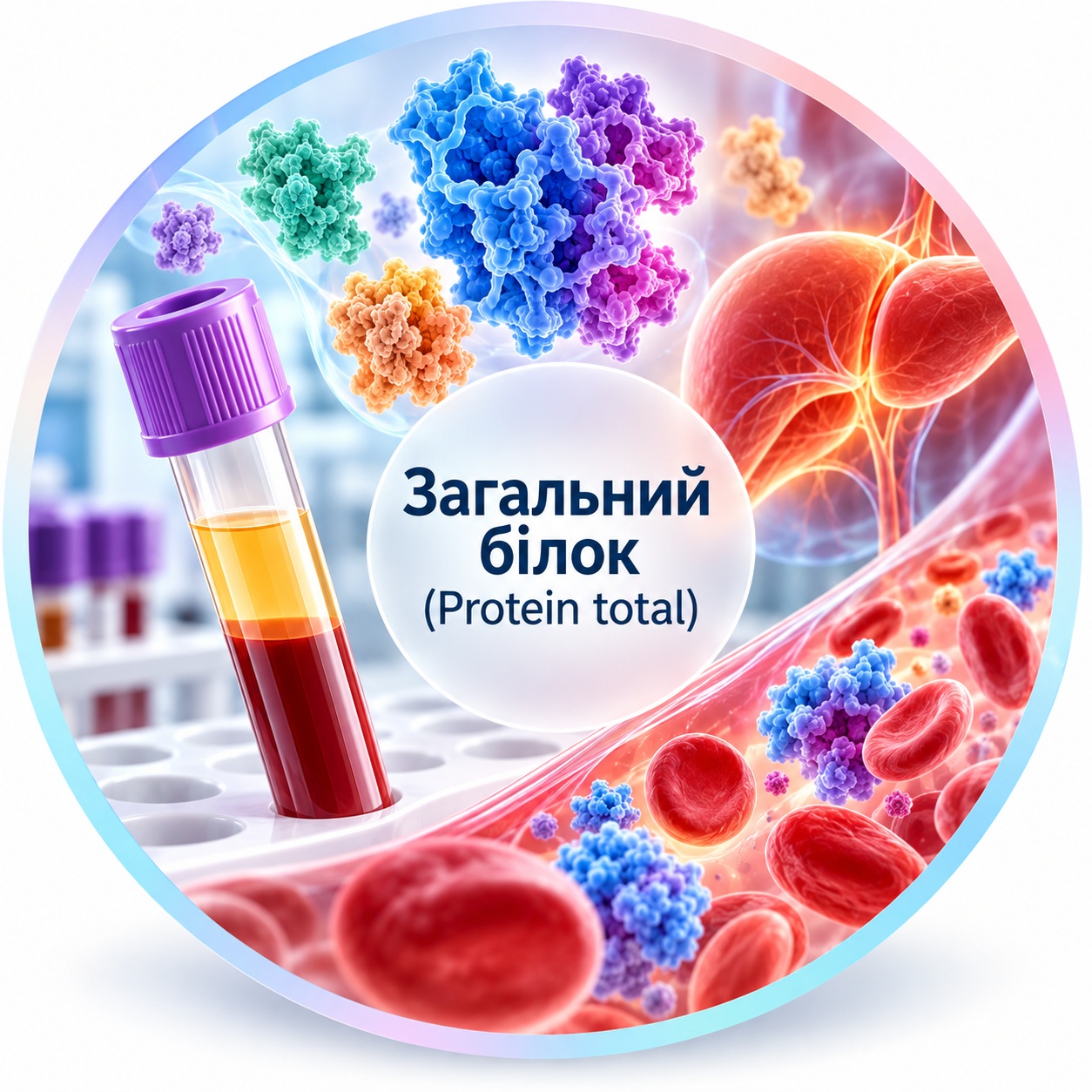
Total protein (Protein total) — a blood test to determine the total concentration of proteins in the serum. This indicator helps to assess protein metabolism, liver and kidney function, as well as identify possible nutritional disorders, inflammatory processes, and changes in the body's water balance.
Total protein (Protein total): structure, functions and importance to the body. Proteins are one of the most important classes of biochemical compounds that play a critical role in the functioning of living organisms. Total protein, also known as total plasma protein (TP), is one of the key characteristics of biological fluids such as blood, serum and other fluids only. Let's take a closer look at the structure, functions and importance of total protein to the body.
Protein structure: Proteins are made up of amino acids that are linked into chains by peptide bonds. The sequence of amino acids determines the tertiary structure of the protein, which can be an alpha helix, a beta-pleated structure, or other shapes. Tertiary structure is largely determined by the interactions between the different amino acids in the chain. Proteins can also have quaternary and quinternary structures, which involve the interactions of multiple chains.
Functions of proteins:
- Structural function: Proteins act as the building blocks of the body. For example, collagen is the main protein in connective tissues such as skin, cartilage, and bones, giving them strength and flexibility.
- Transport function: Some proteins are responsible for transporting molecules across cell membranes or blood vessels. Hemoglobin, for example, transports oxygen to tissues, and lipoproteins transport lipids through the blood.
- Function of enzymes: Many proteins are enzymes that control chemical reactions in the body. They help break down and synthesize molecules, regulating processes as diverse as digestion, respiration, and metabolism.
- Protection function: Antibodies are proteins that recognize and fight harmful microorganisms and other foreign agents, promoting immunity.
- Regulatory function: Proteins can influence gene function by regulating transcription and translation, allowing the expression of different genes to be controlled under different conditions.
Importance for the body: Total protein is an important biomarker for assessing the health status of the body. Measuring the level of total protein in plasma can help in the diagnosis of various conditions such as dehydration, liver disease, kidney disease and other conditions. High or low levels of total protein can indicate abnormalities in the body.
In addition, proteins play an important role in building muscle mass by providing amino acids for the synthesis of new proteins. They also affect the body's metabolism and energy balance.
Conclusion: Total protein is a key component of the biochemical composition of blood and other body fluids. Its structure and function make it an integral part of the vital activity of cells and the body as a whole. Understanding the role of total protein helps scientists, doctors and researchers to uncover many mysteries about the functioning of the body and human health.
| Execution time | 1 day |
|---|---|
| Type of biomaterial | Venous blood |
Useful tests