
Examination of 2 fallopian tubes
700 UAH
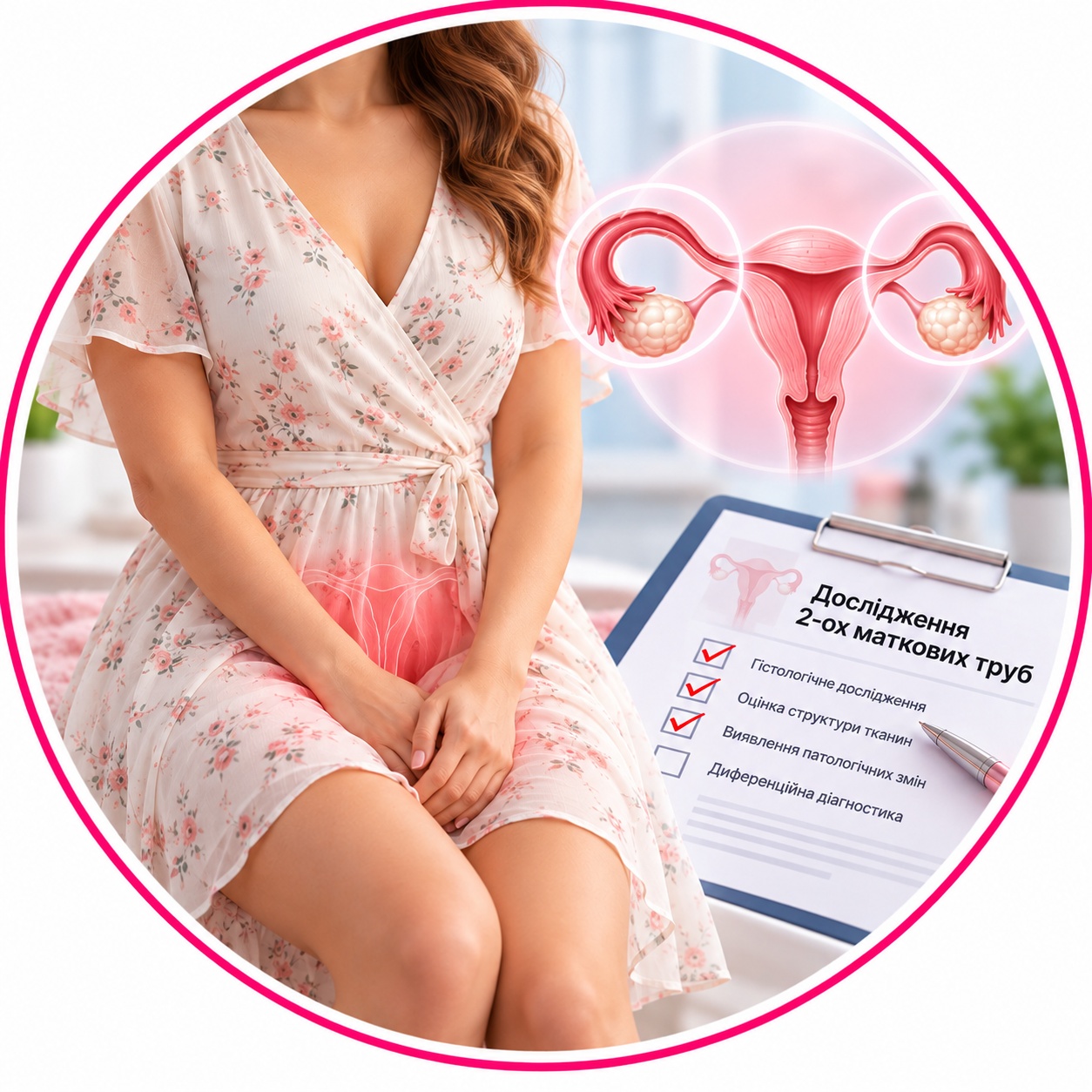
Pathohistological examination of two fallopian tubes — a comprehensive morphological study of the tissues of both uterine (fallopian) tubes to determine their structural condition, the presence of inflammatory processes or tumor changes.
Why is it prescribed: in case of tubal (ectopic) pregnancy, chronic or acute salpingitis, hydrosalpinx, benign or malignant formations, as well as after elective tubectomy (removal of the tubes) or sterilization.
Material for research: surgical material (two removed fallopian tubes or their fragments).
Method: pathomorphological (histological) examination.
Histological material is taken only in medical institutions.
Histological examination of two fallopian tubes — is a pathomorphological analysis of the tissues of both fallopian tubes removed during bilateral tubectomy. This study allows you to assess the condition of the reproductive tract on both sides, determine the causes of their damage, and exclude the risks of the spread of pathological processes.
Research objective: The analysis is performed to morphologically assess the changes that led to the removal of both tubes. The study helps to differentiate chronic infectious processes, the consequences of adhesive disease, or specific tissue lesions, which is important for further health and the choice of assisted reproductive technologies (IVF).
What does the pathologist evaluate:
Morphology of the walls and lumen: comparative characteristics of the condition of the left and right tubes (presence of hydrosalpinx, fibrous changes).
Degree of inflammation: Diagnosis of chronic bilateral salpingitis and assessment of its activity.
Presence of atypia: careful screening of the epithelium for precancerous changes, especially in patients with a genetic predisposition to pelvic oncology.
Anatomical features: detection of congenital anomalies or consequences of previously undergone interventions.
Clinical significance: The result of the study of both tubes gives a definitive answer to the cause of their functional failure. This is critically important for excluding foci of chronic infection in the body and confirming the safety of future reproductive programs. The analysis also allows you to make sure that there are no hidden tumor processes that can begin in the tissues of the tubes.
When is it prescribed:
after bilateral removal of the tubes due to a chronic inflammatory process (sactosalpinx);
as part of preparation for an IVF cycle (if pathologically altered tubes are detected, which reduce the chances of implantation);
in case of bilateral ectopic pregnancy (rare cases);
as a stage of radical surgery for uterine or ovarian pathology.
| Execution time | 2 days |
|---|---|
| Type of biomaterial | Tissues and organs |
Useful tests