
Can I smoke before tests: how nicotine affects the results and when it is really critical
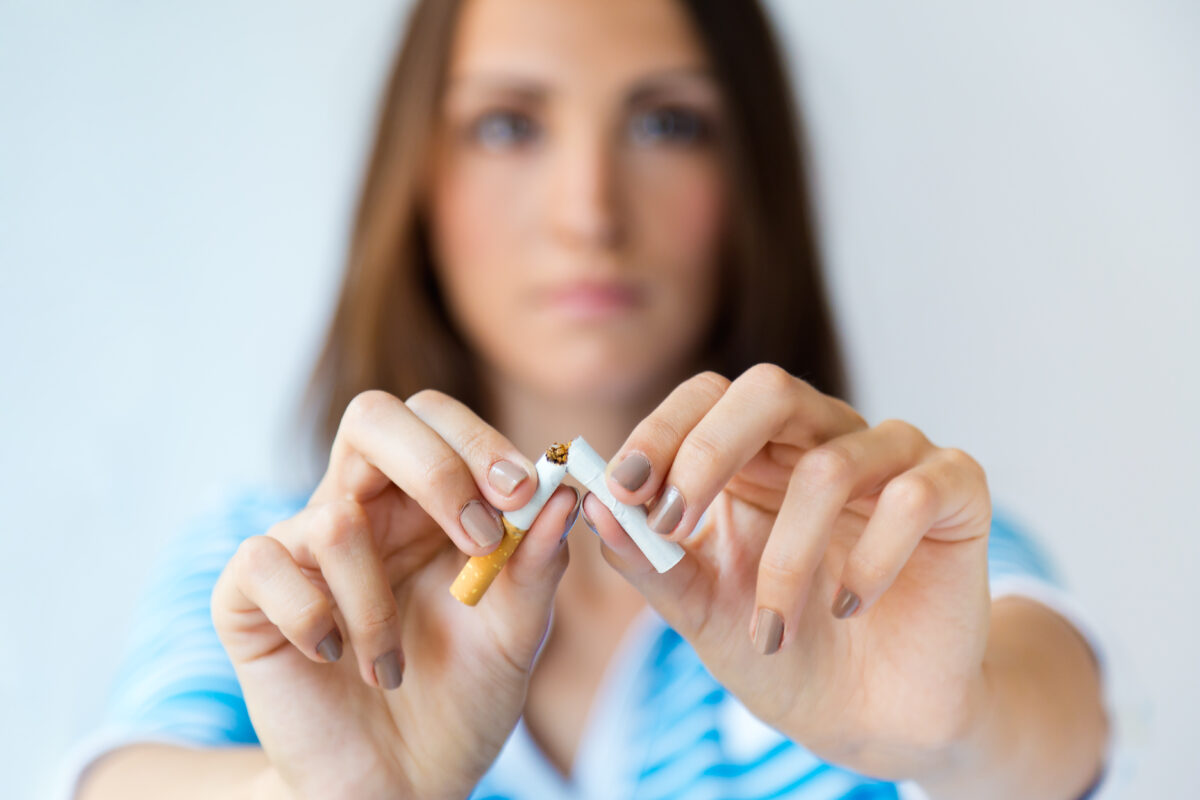
The question of whether it is possible to smoke before tests arises very often - especially among people who donate blood or urine on an empty stomach. Smoking seems like a "trifle" compared to food or medicine, but from the point of view of laboratory diagnostics it is an active physiological factor. Nicotine triggers a cascade of reactions in the body that can directly affect the test results and complicate their correct interpretation.
The main problem is that the patient may feel normal, but laboratory parameters may change just a few minutes after a cigarette.
What happens in the body after smoking a cigarette
Smoking doesn't just affect the lungs. In the first minutes after nicotine enters the bloodstream, the sympathetic nervous system is activated, hormonal levels and vascular tone change.
Key body reactions:
increase adrenaline level and cortisol
vasoconstriction
increased heartbeat
change in glucose level
activation of inflammatory mechanisms
According to World Health Organization, tobacco smoking has a systemic effect and can change biochemical and hormonal parameters even with a single use.
Why the laboratory cannot distinguish the "cigarette effect" from the disease
A lab test records the numbers, but it doesn't know what caused them. If the readings are out of range because of nicotine, they will look the same as if they were from an initial metabolic disorder or a stress reaction.
That is why smoking before tests can:
simulate hormonal imbalance
to create the impression of an inflammatory process
affect sugar and lipid levels
complicate the assessment of cardiovascular risks
Which tests are most sensitive to smoking?
The effects of smoking are not the same for all tests. Some tests respond to nicotine particularly quickly.
| Type of analysis | How smoking can affect | Potential consequence |
|---|---|---|
| Blood glucose | Temporary increase | False suspicion of a violation |
| Stress hormones | Level increase | Distorted assessment |
| Lipid profile | Changing factions | Inaccurate risk assessment |
| Complete blood count | Vascular reaction | Fluctuations in indicators |
| Coagulogram | Effect on clotting | Incorrect conclusions |
Specialists Mayo Clinic note that even one cigarette before blood sampling can affect metabolic and hormonal parameters.
Can I smoke before a blood test on an empty stomach?
The short answer is no. A fasting blood test assumes the most neutral physiological state possible. Smoking disrupts this condition just as much as eating, although patients are often unaware of this.
It is especially critical to abstain from smoking:
before biochemical tests
before hormonal tests
before glucose and insulin tests
before cardiac markers
And if it's a urine test or other tests
For urine analysis, the effect of smoking is less pronounced, but it cannot be completely ruled out. Nicotine and its metabolic products affect the renal vessels and can indirectly change some parameters.
In instrumental or immunological tests, smoking can also:
affect vascular tone
change the body's reactivity
increase the stress response
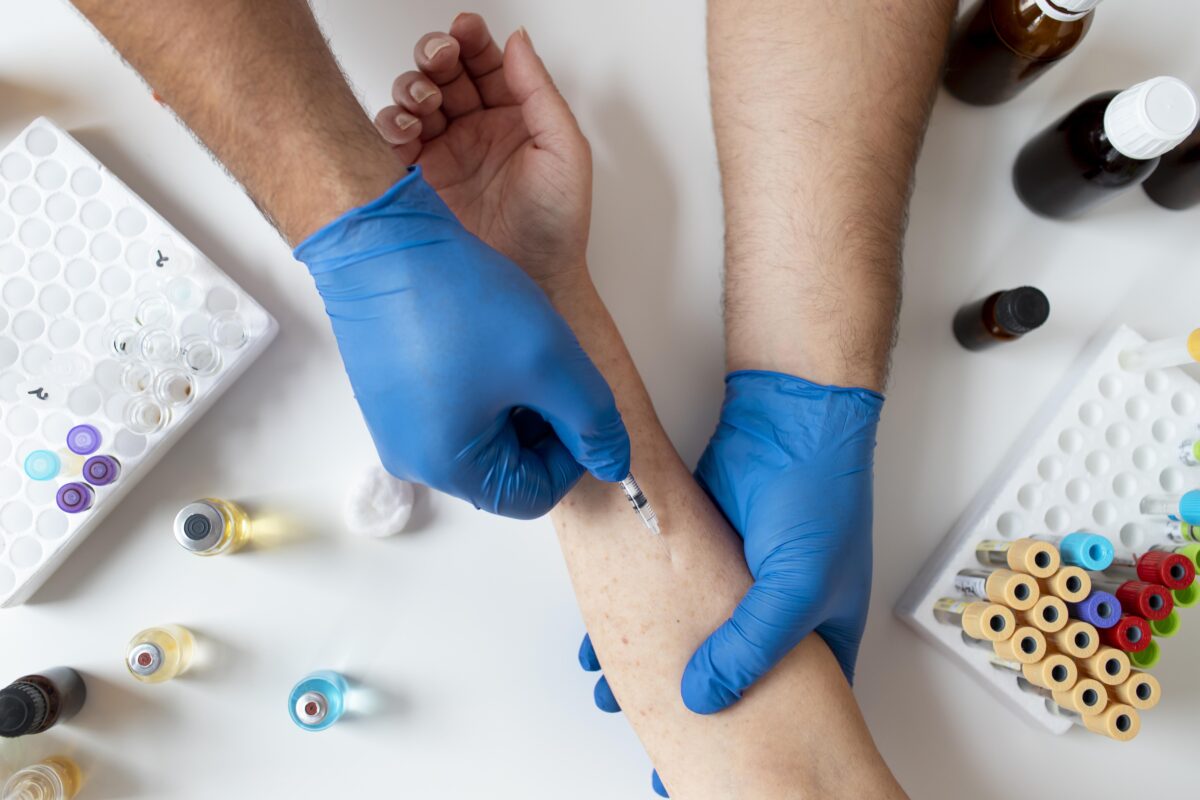
How long should you not smoke before tests?
There is no universal rule, but laboratory practice focuses on the minimum safe interval.
Usually recommended:
do not smoke for at least 1–2 hours before the tests
for hormonal and metabolic tests — hold out longer
do not replace cigarettes with electronic devices
According to the requirements FDA, any substances that affect the physiological state can alter the results of laboratory tests.
Do I need to tell my doctor or lab about my smoking?
Yes. Information about smoking is not a formality, but part of the correct interpretation of the results. If the patient smoked shortly before the analysis, the doctor will be able to take this factor into account or recommend a repeat examination.
Hiding this information can lead to:
incorrect diagnostic conclusions
unnecessary examinations
unjustified treatment
Why quitting cigarettes temporarily is an investment in accuracy
Refraining from smoking before the tests does not require long-term efforts, but significantly increases the reliability of the results. This allows the doctor to assess the real state of the body, and not the reaction to nicotine.
Clear and correct results save time, money, and nerves, as well as the basis for correct medical decisions.

Director of Medi Lab Plus LLC, a doctor of the highest category. Has over 45 years of practical experience in medicine and laboratory diagnostics. Founder and head of the laboratory since 2007. More details…

