
Giardiasis is a hidden threat to the intestines. What should you know about giardiasis?
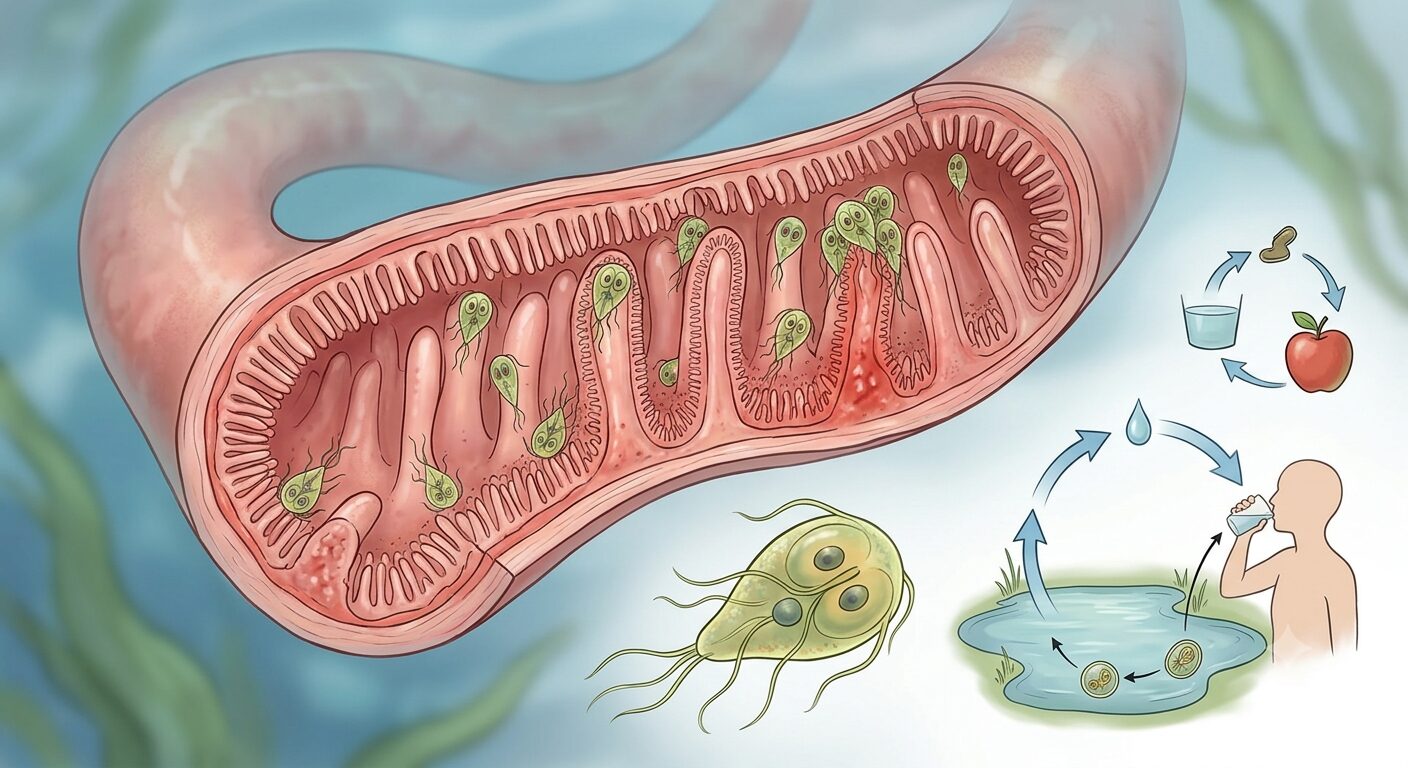
Giardiasis (giardiasis) — is a common infectious disease caused by microscopic single-celled parasites of the genus Giardia. This protozoan invasion affects mainly the small intestine and, in addition to digestive disorders, is often accompanied by allergic and neurological symptoms.
🔍 Sources of infection and mechanism of transmission
The main source of invasion for humans is another infected person (it occupies a confident 1st place). However, the pathogen can also be caught from pets with which we often come into contact: dogs, cats, rabbits, etc.
- How do parasites get into the environment? Giardia is excreted from the body with feces in the form of persistent cysts. Cyst excretion begins on the 9th–22nd day after infection.
- Route of infection: Fecal-oral.
- Transmission factors: Contaminated water, food, soil, and dirty hands.
- Mechanical carriers: Insects, particularly flies.
⚠️ Importantly: The adult forms of the parasite (trophozoites) are very vulnerable - they can survive in feces and the external environment for no more than 2 hours. However, their cysts are extremely resistant.
🚨 Acute symptoms of the disease
Giardiasis can disguise itself as a common poisoning or allergy. Typical acute manifestations include:
- Loose stools (diarrhea) and bloating;
- Specific fatty stool;
- Stomach and abdominal cramps (abdominal pain);
- Nausea, vomiting, and general stomach upset;
- Dehydration (acute fluid loss is dangerous for the body);
- Allergic manifestations: Itchy skin, hives, swelling of the eyes and joints.
👥 Who is at risk?
Anyone can catch Giardia, but the highest probability of infection is observed among the following categories:
- Children attending organized groups (kindergartens, schools, holiday camps).
- People who have close contact with a sick person saddo.
- Owners domestic and pet animals.
- Lovers of relaxing on beaches and open waters.
- International tourists, especially those traveling to countries with poor sanitation.
- People who use insufficiently purified water or uncooked food.
🧪 Modern diagnostics: how to detect a parasite?
Diagnosing giardiasis can be difficult due to one feature: giardia cysts are not excreted by the body constantly, but periodically.
- Rule of three samples: To increase the sensitivity of the test, it is recommended to take a stool sample three times on different days.
- Disadvantages of microscopy: Classical concentration and trichrome staining methods (examination under a microscope) often prove insufficient due to the variable concentration of parasites in a particular sample.
- Effective solution: To receive accurate and quantitative results modern medicine recommends immunological methods of antigen research in stool (rapid tests and ELISA techniques). They are much more sensitive and reliable than conventional microscopy.

Head of the clinical diagnostic laboratory of Medi Lab Plus LLC, Master of Biochemistry with over 15 years of management experience. Monitors compliance of research with international EUCAST protocols and ISO 15189 standard. Acts as a medical editor of the site materials. More details…

