

Lipoprotein (a) Lp(a)
620 UAH
Lipoprotein (a) [Lp(a)] — a blood test to determine the level of lipoprotein, the concentration of which depends largely on heredity. Elevated Lp(a) is associated with a higher risk atherosclerosis, myocardial infarction, ischemic stroke and aortic valve stenosis.
The study helps clarify individual cardiovascular risk, especially if there is a family history of early cardiovascular disease or elevated cholesterol.
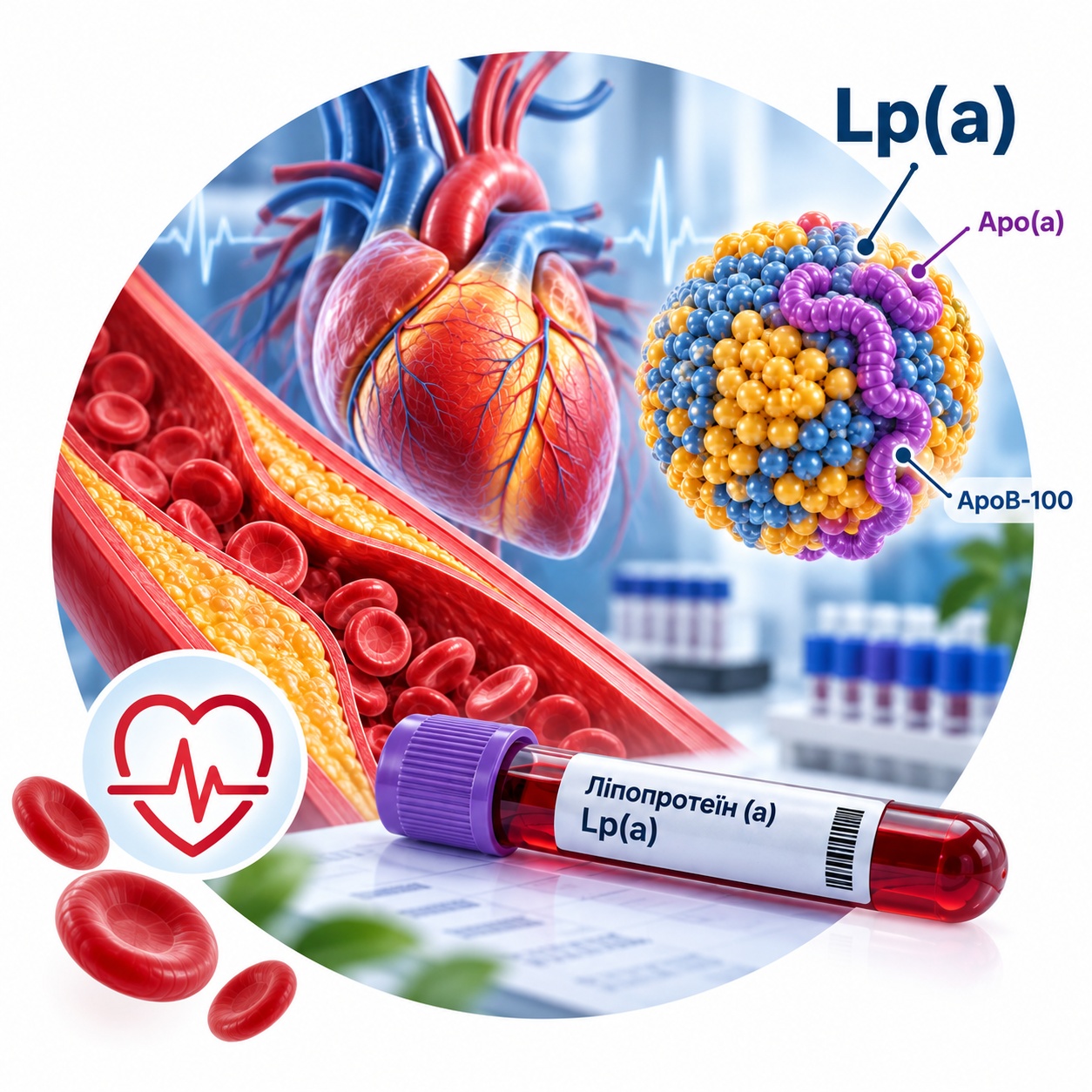
Lipoprotein(a), or Lp(a) is a separate class of blood lipoproteins, which consists of a lipid part, apolipoprotein B-100 and a specific protein apolipoprotein(a). The concentration of Lp(a) is largely determined by a person's genetic characteristics and usually remains relatively stable throughout life.
Elevated Lp(a) levels are one of the factors associated with the development of atherosclerotic cardiovascular diseases. That is why determining this indicator can complement the standard lipid profile examination and help the doctor more accurately assess the overall risk.
What does the analysis show?
The study determines Lp(a) concentration in the blood.
High levels may be associated with an increased risk of:
- coronary heart disease;
- myocardial infarction;
- ischemic stroke;
- atherosclerosis of peripheral arteries;
- calcific aortic valve stenosis.
At the same time, elevated Lp(a) does not mean the presence of a disease and is not an independent diagnosis. The result is evaluated along with LDL cholesterol levels, blood pressure, glucose levels, age, family history, lifestyle, and other risk factors.
Who is recommended to determine Lp(a)?
The analysis can be particularly useful:
- with early development of cardiovascular diseases in the patient;
- if close relatives had a heart attack or stroke at a relatively young age;
- with familial hypercholesterolemia;
- in the presence of elevated LDL levels;
- with already diagnosed atherosclerotic disease;
- when it is necessary to clarify individual cardiovascular risk.
Since Lp(a) levels are mainly genetically determined, for most people it is enough to identify it once in adulthood. Repeated testing may be required upon the recommendation of a physician in individual clinical situations.
What does elevated Lp(a) mean?
Elevated Lp(a) concentration is a factor that may further increase cardiovascular risk. However, the result should not be evaluated in isolation, but in the context of other indicators.
If Lp(a) is elevated, your doctor may pay special attention to monitoring LDL, blood pressure, glucose levels, body weight and other risk factors.
A healthy diet, regular physical activity, and smoking cessation do not always significantly reduce Lp(a) itself, but are important for reducing overall cardiovascular risk.
Preparation for analysis
Biomaterial: venous blood.
Strict fasting is not always required for Lp(a) testing. If a lipid profile or other tests are performed at the same time, the laboratory's preparation guidelines must be followed.
Before the study, it is recommended:
- do not drink alcohol the day before;
- avoid unusual and intense physical exertion;
- adhere to the usual drinking regimen;
- sit quietly for 10–15 minutes before blood sampling;
- inform the doctor about medications that are taken regularly.
You do not need to stop taking the prescribed medications on your own.
Recommendations after receiving the result
The result Lp(a) should be compared with laboratory-specific reference values and units of measurement, indicated in the form.
If the indicator is elevated, you should not self-medicate or try to lower it through diet or supplements. It is advisable to discuss the result with a doctor who can assess overall cardiovascular risk and, if necessary, adjust the control of other factors, primarily LDL levels.
Importantly: High Lp(a) is a risk factor, but does not in itself mean that the patient has atherosclerosis, a heart attack, or other cardiovascular disease.
| Execution time | 1 day |
|---|---|
| Type of biomaterial | Venous blood |
Useful tests