
Troponin I (Troponin)
480 UAH
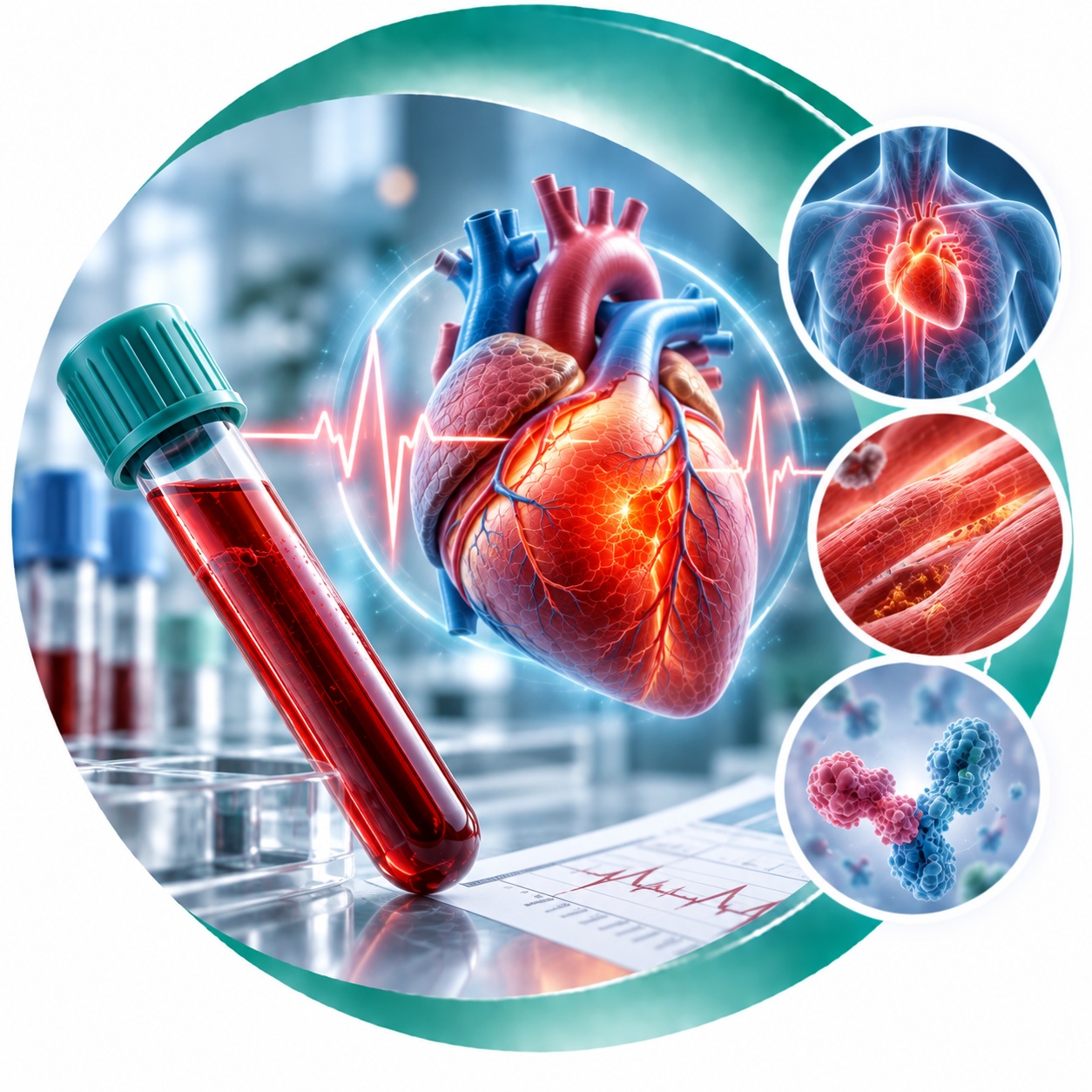
Troponin I blood test — is a highly specific cardiac marker that enters the bloodstream when heart muscle (myocardium) cells are damaged or destroyed. The test is the "gold standard" for emergency diagnosis of myocardial infarction, assessment of the degree of ischemic heart damage, and differentiation of the causes of acute chest pain.
Biochemical blood tests in cardio-rheumatology: the role of troponin I (Troponin). Cardio-rheumatology is a branch of medicine that studies diseases of the heart and blood vessels, as well as rheumatic diseases that can affect their functioning. One of the most important biochemical indicators used to diagnose and monitor cardio-rheumatological diseases is the level of troponin I.
Troponins are proteins that play a key role in the excitation and contraction of heart muscle. They are found in skeletal and cardiac muscles and regulate muscle activity during heart contraction. Troponins are divided into three subunits: troponin I, troponin T, and troponin C. Troponin I and troponin T are most commonly used to monitor cardiac disease.
Troponins are normally not detected in the blood or are found in very low concentrations. However, when the heart muscle is damaged, such as during a myocardial infarction (heart attack), the level of troponin in the blood rises sharply. This is because troponins are released into the blood when muscle cells are damaged.
The use of troponin I in cardio-rheumatology studies has several key aspects:
- Diagnosis of myocardial infarction: High levels of troponin I in the blood are an indicator of heart muscle damage, which may indicate a heart attack. Measuring troponin I levels helps doctors diagnose and determine the severity of a heart attack.
- Treatment monitoring: Troponin I levels can be used to track the effectiveness of heart disease treatment. A decrease in troponin I levels after a heart attack indicates a positive response to treatment.
- Risk prediction: High levels of troponin I in the blood of a patient without active symptoms of a heart attack may indicate an increased risk of further cardiac events.
- Assessment of heart muscle damage in other diseases: Elevated troponin I levels can be observed not only in myocardial infarction, but also in other conditions such as arrhythmias, myocardial inflammation, and other heart diseases.
In conclusion, it should be noted that measuring troponin I levels is an integral part of the diagnosis and monitoring of cardio-rheumatic diseases. It provides doctors with important information about the condition of the heart muscle and helps them make informed decisions about patient treatment.
| Execution time | 1 day |
|---|---|
| Type of biomaterial | Venous blood |
Useful tests