Thyroid stimulating hormone (TSH, TSH)
230 UAH
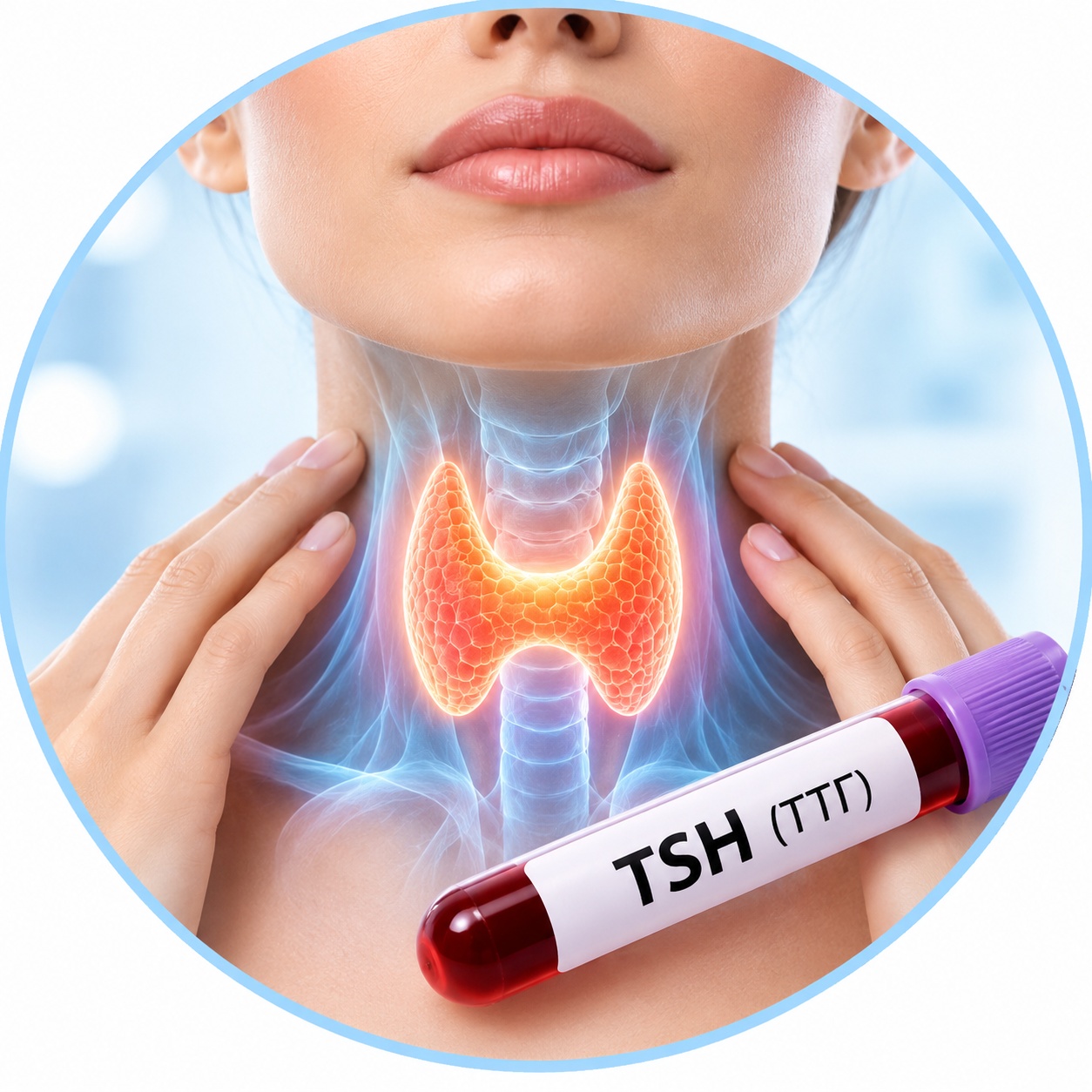
Thyroid stimulating hormone (TSH) — the main regulator of the thyroid gland and a basic marker for assessing its condition and overall metabolism.
Main indications for use:
Primary assessment of the functional state of the thyroid gland.
Diagnosis of latent or overt hypothyroidism and hyperthyroidism.
Identifying the causes of chronic fatigue, unexplained weight fluctuations, hair loss, and heart rhythm disturbances.
Monitoring and control of the effectiveness of hormone therapy.
Basic information:
Biomaterial: venous blood (serum).
Deadline: 1 business day.
Thyroid Stimulating Hormone (TSH) and Thyroid Hormone Panel
Thyroid-stimulating hormone (TSH) is a key element in the regulation of the thyroid gland, one of the most important glands of the endocrine system. The thyroid gland produces the hormones thyroid (T3) and thyroidin (T4), which are responsible for regulating the body's metabolism, growth, development, and functioning of many body systems. TSH, in turn, controls the secretion of these hormones by the thyroid gland.
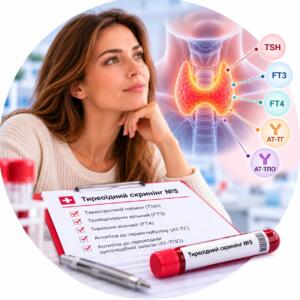
Thyroid hormone panel thyroid is a set of laboratory tests aimed at determining the levels of TSH and other thyroid hormones in the blood. This panel is very important for diagnosing and monitoring thyroid diseases such as hypothyroidism (decreased thyroid function) and hyperthyroidism (increased thyroid function).
One of the main components hormone panel is Thyroid stimulating hormone (TSH). This hormone is produced by the anterior pituitary gland and is responsible for stimulating the thyroid gland to produce T3 and T4. The level of TSH in the blood is regulated by a negative feedback loop: when the level of T3 and T4 in the blood decreases, more TSH is produced to stimulate the thyroid gland to work more intensively.
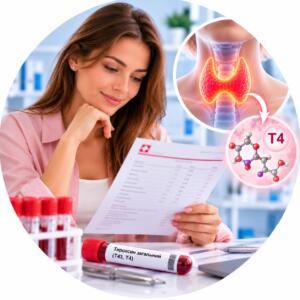
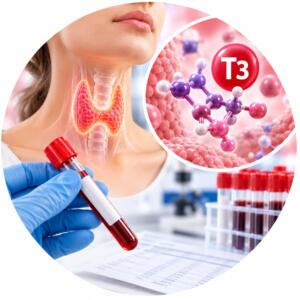
The hormone panel also includes measuring the levels of T3 and T4 in the blood. Thyroxine (T4) is the main hormone produced by the thyroid gland. It has four atoms of iodine and is converted to the active T3 (triiodothyronine), which affects most cells in the body. The level of T3 is also included in the hormone panel because it is more active due to the fewer atoms of iodine in the molecule.
The ability of the thyroid gland to function properly is essential for maintaining good health. Different thyroid conditions can lead to different symptoms and complications. For example, hypothyroidism can cause fatigue, depression, and swelling, while hyperthyroidism can cause nervousness, weight loss, and even heart problems.
Doctors use a thyroid hormone panel to diagnose and monitor thyroid health. An elevated TSH level may indicate hypothyroidism, while a low TSH level may indicate hyperthyroidism. Additionally, measuring T3 and T4 levels can provide a more detailed picture of thyroid function.
Doctors may order a thyroid hormone panel in a variety of situations. This may be during: tests for thyroid disease, determining the effectiveness of their treatment, or to monitor thyroid function in pregnant women, where thyroid health is important for normal fetal development.
Thyroid Stimulating Hormone and the Thyroid Hormone Panel are important tools for diagnosing and monitoring thyroid function.
They help doctors timely detect and treat various diseases related to this important gland in the body, and ensure the health of patients.
What does the TSH test show?
TSH analysis helps assess thyroid function glands and identify possible disorders in the endocrine system. The level of thyroid-stimulating hormone is one of the most sensitive indicators that can signal changes even before the appearance of pronounced symptoms of the disease.
The tests are often ordered along with free T4, free T3, and anti-thyroid peroxidase (anti-TPO) levels to more fully assess the condition of the thyroid gland.
When is it recommended to take a TSH test?
A doctor may recommend testing if you experience the following symptoms:
- constant fatigue and drowsiness;
- unexplained weight gain or loss;
- dry skin;
- hair loss;
- heart rhythm disturbances;
- increased irritability or anxiety;
- impaired concentration;
- menstrual cycle disorders;
- problems with conception.
What does elevated TSH mean?
Elevated levels of thyroid-stimulating hormone are most often observed with insufficient thyroid function. This condition is called hypothyroidism.
Possible symptoms may include weakness, drowsiness, chills, swelling, dry skin, and weight gain. Your doctor may order additional laboratory tests to determine the cause of the changes.
What does low TSH mean?
A low TSH level may indicate an overactive thyroid gland, which is sometimes seen in hyperthyroidism or thyrotoxicosis.
Possible symptoms include rapid heartbeat, increased sweating, weight loss, insomnia, and nervousness. The final evaluation of the results should be made by a doctor, taking into account other indicators of the hormone panel.
Preparing for a TSH test
To obtain the most accurate result, it is recommended:
- donate blood in the morning;
- come to the examination on an empty stomach;
- do not drink alcohol on the eve of the analysis;
- avoid significant physical exertion the day before donating blood;
- inform the doctor about taking hormonal drugs.
Before the test, you are allowed to drink clean, still water.
TSH during pregnancy
Monitoring thyroid-stimulating hormone levels is especially important when planning pregnancy and during the period of bearing a child. Timely detection of thyroid dysfunction helps the doctor monitor the condition of the expectant mother and the development of the fetus.
Frequently asked questions
Can I drink water before a TSH test?
Yes, before donating blood, it is allowed to drink clean, still water.
When is it best to take a TSH test?
Most often, studies are recommended to be conducted in the morning on an empty stomach.
Is it necessary to take TSH along with T4?
For a more complete assessment of thyroid function, your doctor may order TSH along with free T4 and other hormones.
How often should TSH levels be monitored?
The frequency of examination depends on the doctor's recommendations, the patient's health status, and the presence of thyroid diseases.
| Execution time | 1 day |
|---|---|
| Type of biomaterial | Venous blood |
Useful tests