

Estradiol
300 UAH
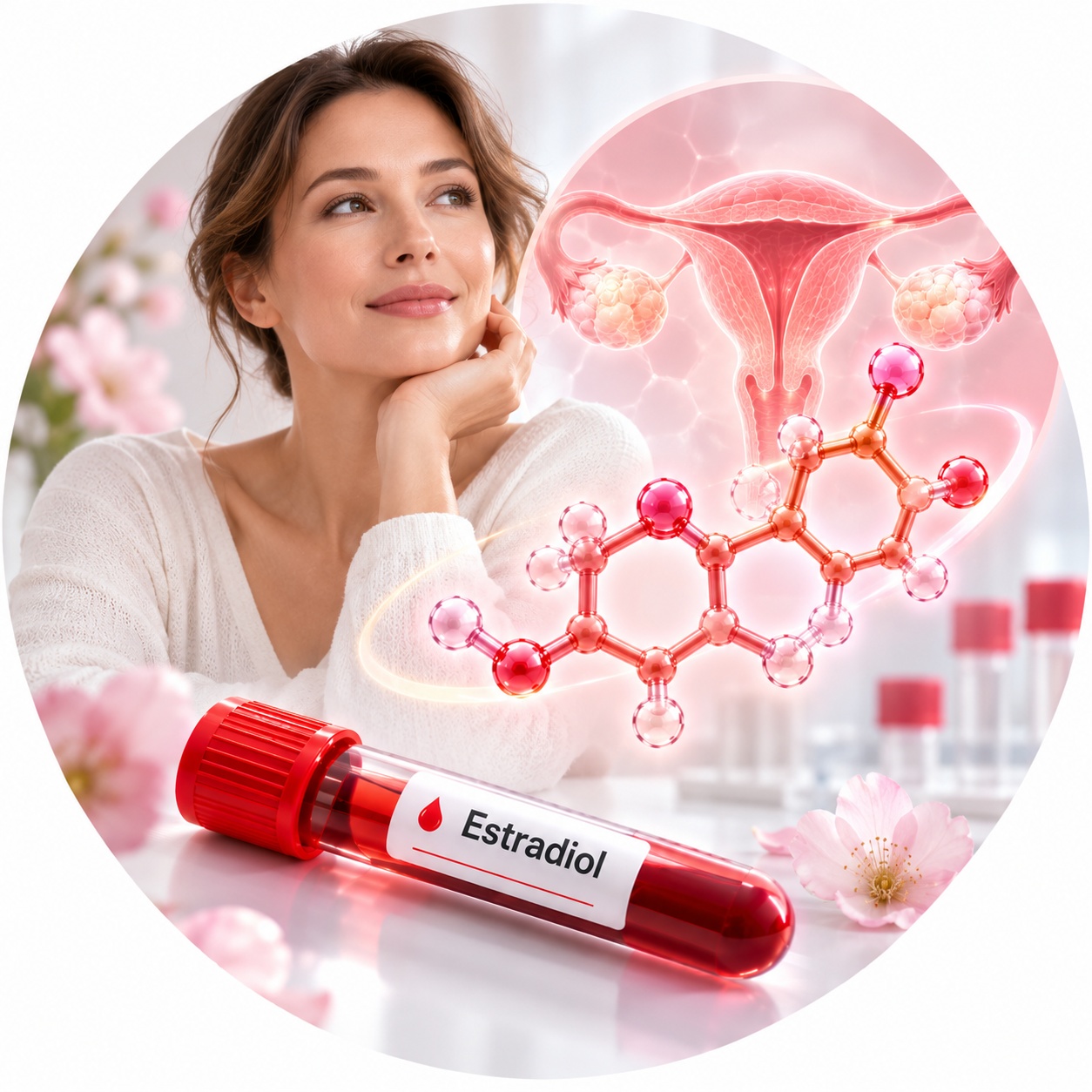
An estradiol test is a laboratory blood test to determine the level of one of the main estrogens, which plays an important role in the reproductive system. In women, estradiol is involved in the regulation of the menstrual cycle and the maturation of follicles, and in men it affects hormonal balance. The test may be used to assess ovarian function, determine the causes of menstrual irregularities, and screen for fertility problems. The results are evaluated taking into account age, gender, symptoms, and, if necessary, the day of the menstrual cycle. Recommendations for preparing for the test can be obtained from the laboratory or doctor.
Estradiol and the Hormone Panel: The Importance of Reproductive Function Diagnosis
Reproductive function is one of the most important components of women's health. To ensure the normal functioning of the reproductive the system needs a balance of different hormones, one of the key ones being estradiol, a type of estrogen. Estradiol plays an important role in regulating the menstrual cycle, maintaining the health of the uterus and ovaries, and influencing other aspects of women's health.
Estradiol: What is it?
Estradiol is a female sex hormone produced primarily by the ovaries. It is one of the three main types of estrogen, along with estrone and estriol. Estradiol plays a variety of roles in a woman's body, including:
- Regulating the menstrual cycle: Estradiol affects the growth and enlargement of the endometrium (the lining of the uterus) in preparation for a possible pregnancy.
- Maintaining uterine and ovarian health: This hormone helps ensure the normal development and functioning of these organs.
- Regulating fat possession: Estradiol can also affect the distribution of fat in the body.
- Maintaining bone health: Estradiol helps maintain bone strength in women.
- Impact on mental health: The hormone can affect a woman's mood and emotional state.
Estradiol Level Diagnosis: Hormone Panel
Doctors use a hormone panel to determine estradiol levels and assess a woman's reproductive function. This panel includes several hormones, including estradiol, that are usually measured in the blood or urine. Measuring estradiol levels can provide important information about the health of a woman's reproductive system and identify possible abnormalities.
Key aspects of diagnosing estradiol levels include:
- Cycle phase: Estradiol levels vary throughout the menstrual cycle. The highest levels are seen around the middle of the cycle, when ovulation occurs.
- Patient age: Estradiol levels can also change with age. In adolescents, women in or after menopause, hormone levels can be unstable.
- Symptoms and problems of the reproductive system: Estradiol level testing can be useful in identifying symptoms such as irregular menstruation, abdominal pain, problems maintaining weight, and in diagnosing various reproductive disorders.
- Pregnancy and fertility: Estradiol levels play an important role in a woman's fertility and can be used to identify potential pregnancy problems.
Conclusion
Estradiol is a key hormone that regulates reproductive function in women. Measuring estradiol levels in a hormone panel is an important tool for diagnosing and determining the state of the reproductive system. If you have any symptoms or questions related to reproductive health, it is important to consult a doctor or gynecologist for advice and examination. Reproductive health is an important aspect of a woman's overall health, and monitoring estradiol levels is just one component of this process.
| Execution time | 1 day |
|---|---|
| Type of biomaterial | Venous blood |
Useful tests