
Free thyroxine (T4b, FT4)
260 UAH
Free thyroxine (T4b, FT4) — a thyroid hormone that affects metabolism, energy processes, and the functioning of various organs and systems.
The FT4 blood test is used to evaluate thyroid function and diagnose conditions such as hypothyroidism and hyperthyroidism. The result is often evaluated in conjunction with thyroid-stimulating hormone (TSH) levels, taking into account symptoms and other clinical data. Preparation for the test should be coordinated with the recommendations of the laboratory and your doctor.
Thyroid Panel (Thyroid Hormones): Role of Free Thyroxine (T4b, FT4)
The thyroid gland is one of the most important organs of the endocrine system, producing thyroid hormones. One of these hormones, free thyroxine, or FT4, plays a key role in regulating many physiological processes in our body. In this article, we will look at what FT4 is, how it is measured, and why it is important to monitor the level of this hormone.
Thyroid gland and its functions
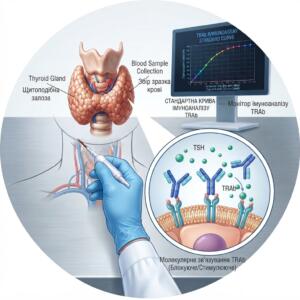
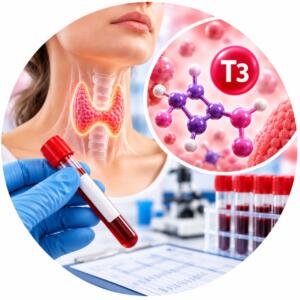
The thyroid gland is located in the front of the neck, and its main function is to produce thyroid hormones. The two main hormones it produces are thyroxine (T4) and triiodothyronine (T3). Both of these hormones are very important for the body to function.
Free thyroxine (FT4) and its role
Thyroxine (T4) – it is precipitating hormone, that is, it is found in a free and bound state in the blood. Part of T4 is bound to proteins, and this form of the hormone is not available for use by organs and tissues. However, free thyroxine (FT4) is a form of the hormone that circulates in the blood in an unbound state and can actively interact with receptors in the tissues of the body.
The level of FT4 in the blood indicates the activity of the thyroid gland and its ability to produce thyroid hormones. A low level of FT4 can be a sign of hypothyroidism, a condition in which the thyroid gland is underactive and does not produce enough thyroid hormones to meet the body's needs. In contrast, an elevated level of FT4 can indicate hyperthyroidism, an overactive thyroid gland.
The significance of the FT4 analysis in the thyroid panel
The FT4 level is an important part of a thyroid panel that includes other parameters such as thyroid-stimulating hormone (TSH), thyroxine (T4), and, in some cases, triiodothyronine (T3). This panel is used by doctors, especially endocrinologists, to assess thyroid function and diagnose various diseases of its function.
The main indications for performing an FT4 analysis include:
- Diagnosis of hypothyroidism and hyperthyroidism: A low FT4 level may indicate hypothyroidism, while an elevated level may indicate hyperthyroidism.
- Treatment monitoring: Patients receiving treatment for thyroid disease should have their FT4 levels checked regularly to ensure the effectiveness of the treatment.
- Monitoring of pregnant women: Pregnant women may have changes in thyroid hormone levels, so determining FT4 is important for timely identification and control of risks to the health of the mother and fetus.
Result
Free thyroxine (FT4) is a key hormone produced by the thyroid gland and is of great importance for the regulation of physiological processes in the body. Determining the level of FT4 in the thyroid panel is an important step in the diagnosis and monitoring of the thyroid gland, which allows for the timely detection and treatment of diseases of this important gland in the body. To obtain accurate results and interpretation of the FT4 analysis, it is important to consult a qualified medical professional.
| Execution time | 1 day |
|---|---|
| Type of biomaterial | Venous blood |
Useful tests