
Hormone panel
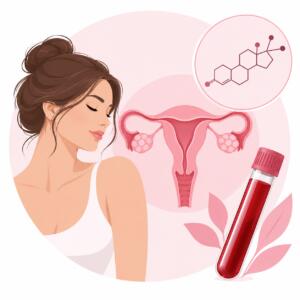


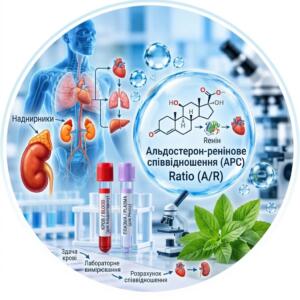
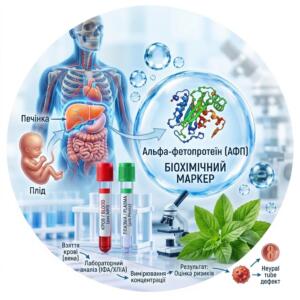
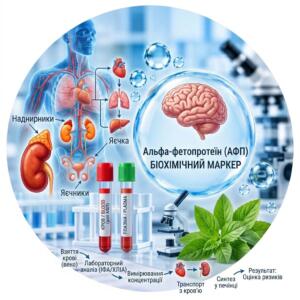
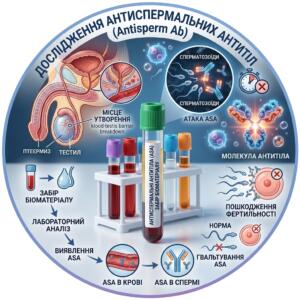
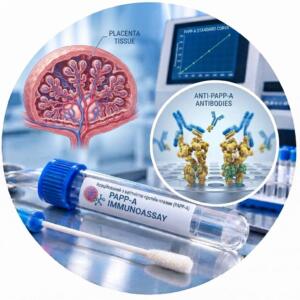
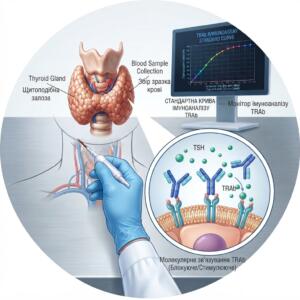
The hormonal panel at Medi Lab Plus includes a full range of tests to assess the functions of the endocrine system, metabolic regulation, and reproductive health. The results of the tests reflect the real state of the endocrine glands, helping to identify the causes of weight fluctuations, chronic fatigue, or hormonal disruptions in a timely manner.
Directions of hormonal research
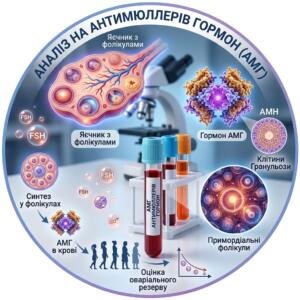
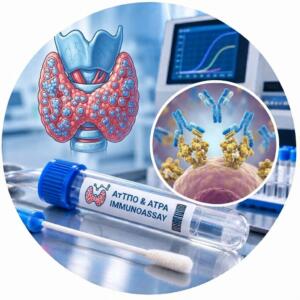
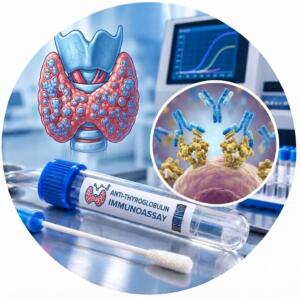
This section of the catalog combines tests for testing various parts of the endocrine system. For the diagnosis of thyroid pathologies, thyroid-stimulating hormone TSH, free thyroxine FT4, free triiodothyronine FT3, as well as antibodies to peroxidase AtTPO and thyroglobulin AtTG are available. The reproductive panel consists of follicle-stimulating FSH, luteinizing LH, prolactin, progesterone, estradiol and anti-Müllerian hormone AMH.
A separate group is made up of androgens, including total testosterone, free testosterone, dihydrotestosterone, androstenedione, dehydroepiandrosterone sulfate DHEA-C and sex hormone binding globulin SHBG. To assess adrenal function and regulate metabolism, the catalog presents cortisol, adrenocorticotropic hormone ACTH, insulin and C-peptide.
Accuracy of analyses and deadlines
Modern automated laboratory equipment provides high sensitivity of methods, which allows to record even minimal deviations in hormone concentration. Most basic tests of the hormonal panel are performed in 1 working day. Fast results allow the doctor to quickly establish a diagnosis or adjust the current replacement therapy regimen.
Rules for preparing for blood donation
Hormonal indicators are sensitive to external factors, so the biomaterial is collected strictly in the morning on an empty stomach, after 8–12 hours of fasting.
On the eve of a visit to any Medi Lab Plus department, it is necessary to completely exclude alcohol consumption, limit fatty foods, and avoid heavy physical exertion or emotional stress. The drinking regimen before the procedure should consist only of clean, non-carbonated water.
Women should coordinate the date of the test with their doctor before taking reproductive hormones, according to the day of the menstrual cycle. Taking any hormonal drugs, oral contraceptives or specific medications must be recorded during registration for correct interpretation of the results.

