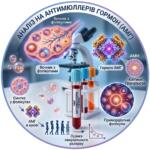
Antisperm antibodies (Antisperm Ab)
530 UAH
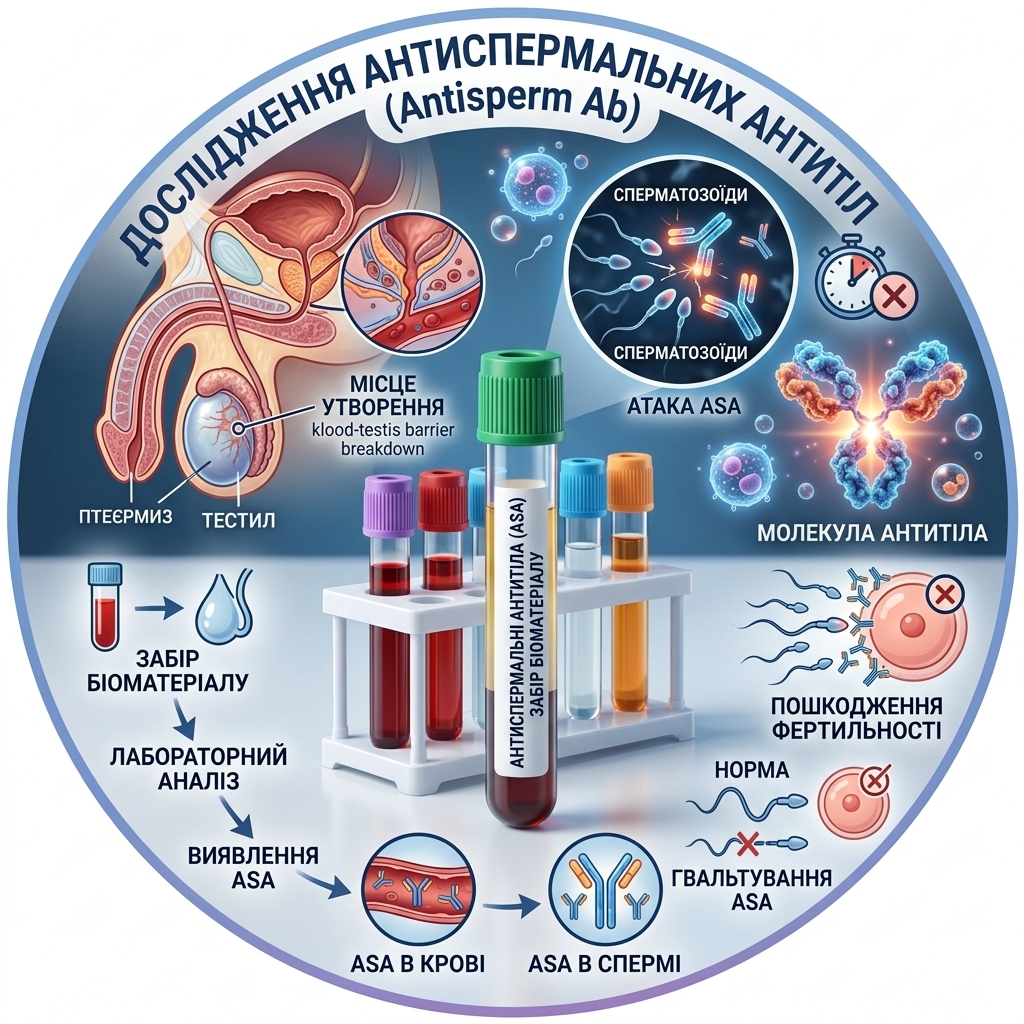
Antisperm antibody test (Antisperm Ab, ASA) — is a key laboratory test for identifying immunological causes of infertility in men and women. The test allows you to determine the presence of specific antibodies that block sperm motility and prevent natural fertilization.
Antisperm antibodies (Antisperm Ab) and their role in diagnostics of reproductive function through a hormonal panel
Reproductive function is an important aspect of male and female health. However, sometimes problems arise related to the inability to conceive a child. In many cases, this problem can be related to antisperm antibodies (Antisperm Ab) and can be detected using a hormonal panel.
Antisperm antibodies (Antisperm Ab) are antibodies that are directed against a man's sperm. They can be produced by both men and women and have different effects on reproductive function. These antibodies can affect sperm motility, their ability to fertilize an egg, and the immune response to contact with sperm. They can be produced in both large and small quantities.
Hormone panel is a set of tests that allow you to assess the level of various hormones in the body. In the context of diagnosing reproductive function, it is important to measure hormones that are responsible for the function of the genital organs and reproduction processes, such as gonadotropic hormones (FSH and LH), estrogens, progesterone, testosterone and others.
The relationship between antisperm antibodies and a hormonal panel can be important in the diagnosis and subsequent treatment of reproductive disorders. Let's take a look at how it works:
- Antisperm antibody (Antisperm Ab) diagnostics: The first step in determining the role of antisperm antibodies in reproductive problems is to determine whether they are present in the body. This can be done through blood tests or a spermogram. If antibodies are present in urine, semen, or blood, this may indicate an immunological reaction to sperm.
- Relationship with hormone panel: A hormone panel can indicate abnormalities in the hormonal system that may affect reproductive function. For example, elevated prolactin levels can cause ovulation disorders in women, and low testosterone levels can affect sperm quality in men.
- Treatment: If antisperm antibodies are detected and abnormalities are found in the hormonal panel, your doctor may recommend treatment. This may include immunotherapy to reduce antibody levels and correct hormonal balance.
- Monitoring and planning: After treatment, your doctor may recommend regular monitoring with a hormone panel and antisperm antibody testing. This will help determine the effectiveness of the treatment and make any necessary changes to your treatment plan.
Conclusion:
Antisperm antibodies (Antisperm Ab) and hormone panels are important tools in the diagnosis and treatment of reproductive problems. They help doctors understand the cause of these problems and develop an effective treatment plan. Information from a hormone panel can be especially helpful in establishing a connection between antisperm antibodies and disorders in the hormonal system. However, it is important to remember that only a qualified doctor can correctly interpret the results and prescribe the necessary treatment for each patient.
| Execution time | 1 day |
|---|---|
| Type of biomaterial | Venous blood |
Useful tests