Dehydroepiandrosterone (DHEA)
440 UAH
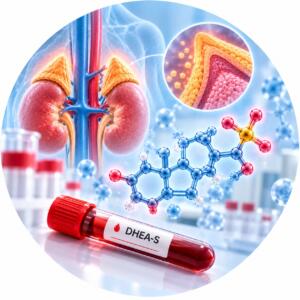
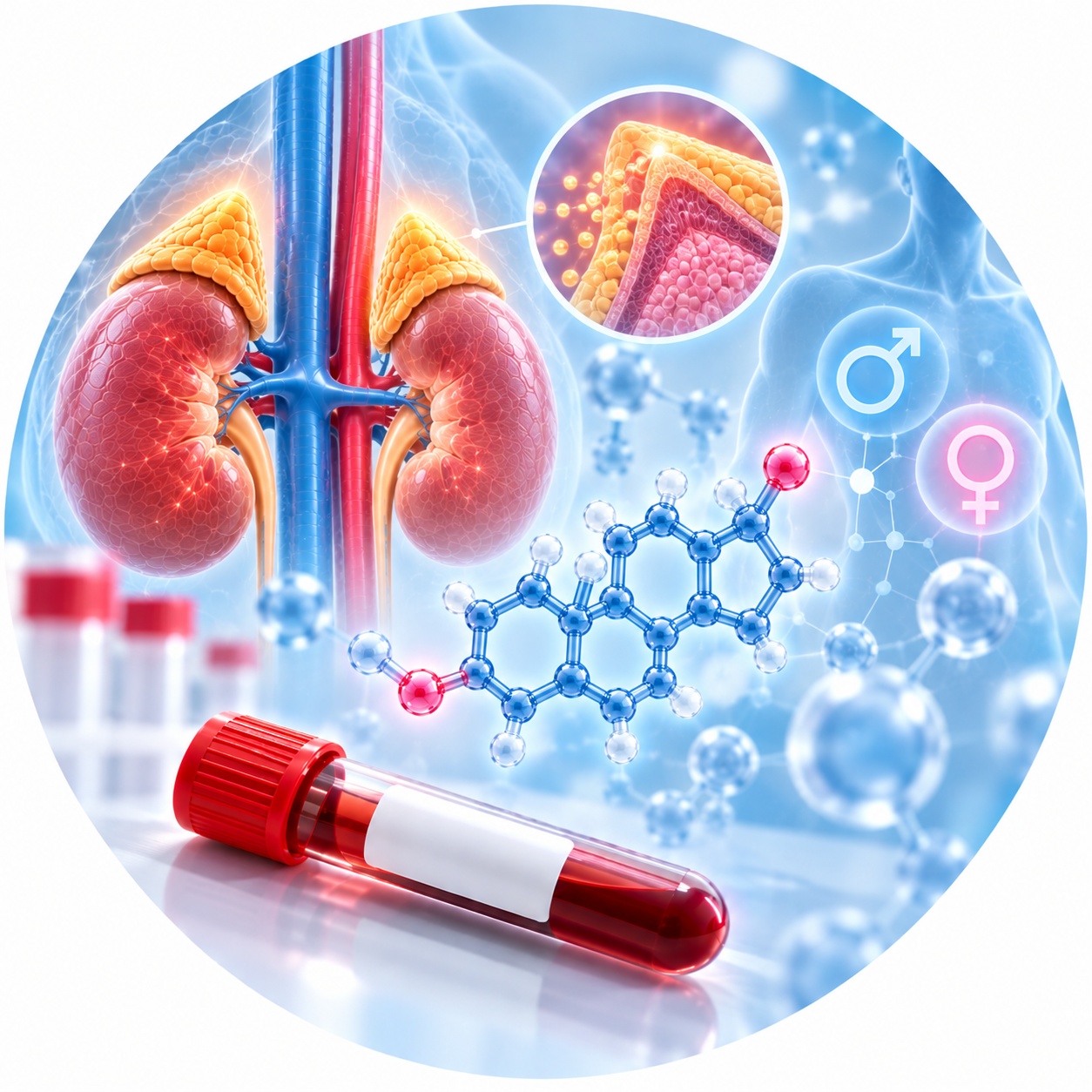
The dehydroepiandrosterone (DHEA) test is a laboratory blood test to determine the level of a steroid hormone that is mainly produced by the adrenal glands and is a precursor to androgens and estrogens. The test may be used to assess adrenal function, check for excessive hair growth in women, acne, menstrual irregularities, and other signs of hormonal imbalance. The results are evaluated based on age, gender, symptoms, and other hormonal parameters. Before taking the test, check with your lab or doctor for preparation instructions.
Dehydroepiandrosterone (DHEA) and its Role in Reproductive Function Diagnosis
Reproductive function is one of the key components of male and female health. Balanced work of the reproductive system ensures the possibility of successful reproduction and preservation of the health of the nation. Diagnostics of reproductive function is an important stage in the treatment of various reproductive disorders and unknown conditions. Dehydroepiandrosterone (DHEA) is one of many hormones, which affect the reproductive system, and its level can be an important indicator in diagnosing reproductive problems.
DHEA is steroid hormone, which is produced by the adrenal glands and ovaries in the human body. In women, this hormone is converted into estrogens, and in men, into testosterone. DHEA levels can vary significantly with age, and it may be an important factor in the functioning of the reproductive system.
Diagnostics of reproductive function by measuring DHEA levels can be useful in the following aspects:
- Assessment of adrenal and ovarian function: Low DHEA levels can indicate problems with adrenal and ovarian function, and can be helpful in diagnosing conditions such as Addison's disease, polycystic ovary syndrome, and other reproductive disorders.
- Aging and reproductive function: DHEA levels typically decline with age. Research shows that restoring DHEA levels in older women and men can improve reproductive function and increase the likelihood of pregnancy.
- Infertility diagnosis: Low DHEA levels may be a cause of infertility. Research is allowing doctors to determine whether DHEA therapy may be helpful for patients who are having trouble conceiving.
- Improving response to treatment: In some cases, increasing DHEA levels before starting reproductive treatment may increase the effectiveness of the treatment.
DHEA levels can be measured in blood or urine using special tests. The procedure is simple and minimally invasive, but the results should be evaluated by a doctor, as interpreting the measurement results can be difficult.
The general concept of reproductive function diagnostics is to understand how various hormones and biochemical parameters affect the ability of the reproductive system to function properly. Dehydroepiandrosterone is certainly an important element in this mosaic. Its measurement and analysis allow doctors to individually approach patient treatment and increase the effectiveness of reproductive medicine.
In conclusion, dehydroepiandrosterone is an important element in the diagnosis and treatment of various reproductive problems. The procedure for measuring DHEA levels allows doctors to get a more accurate picture of the state of the reproductive system and develop an individual treatment plan for each patient. This approach is key to achieving successful results in the treatment of reproductive problems and maintaining reproductive health.
| Type of biomaterial | Venous blood |
|---|---|
| Execution time | 1 day |
Useful tests