Dehydroepiandrosterone sulfate, DHEAS
360 UAH
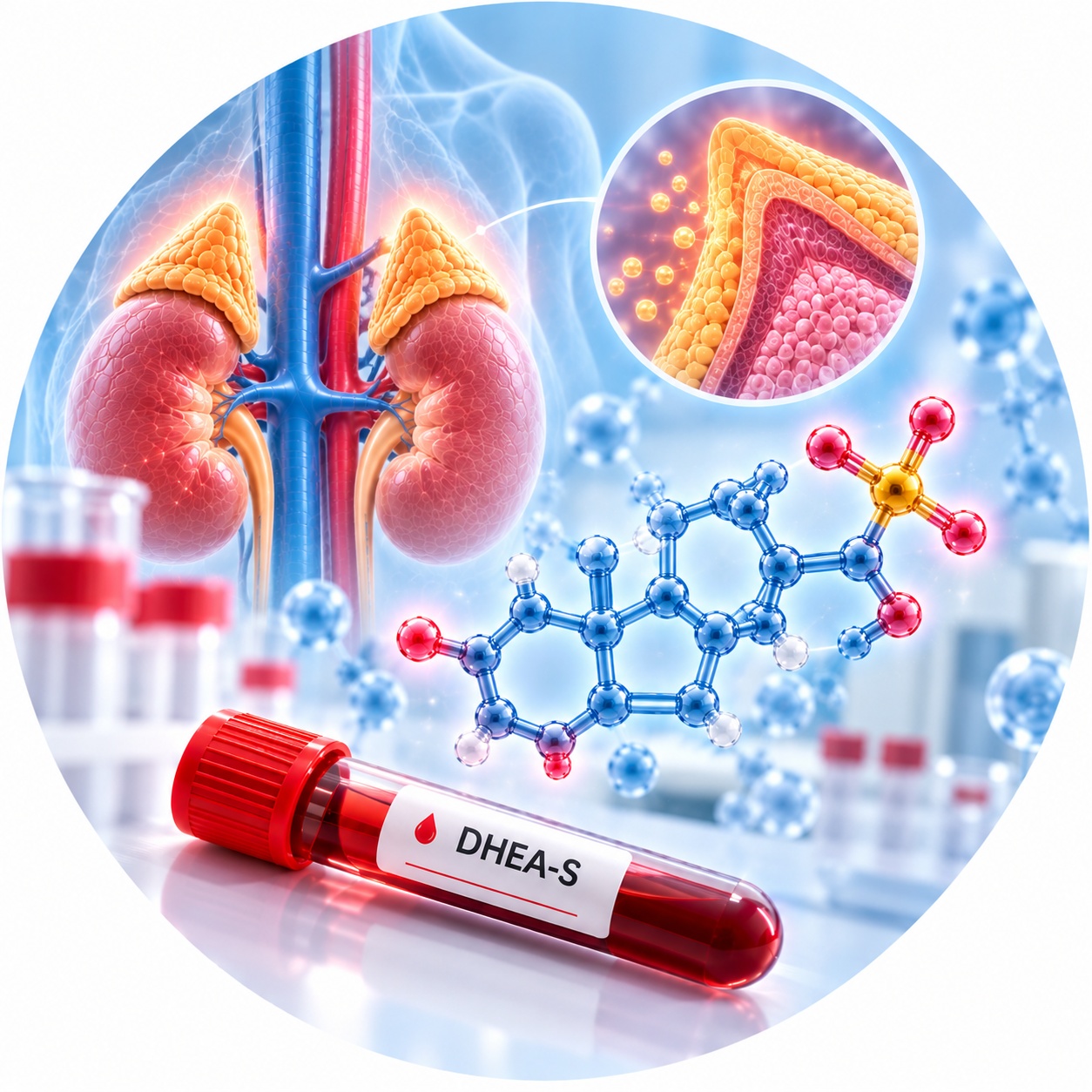
The dehydroepiandrosterone sulfate (DHEAS) test is a laboratory blood test to determine the level of a steroid hormone that is mainly produced by the adrenal glands. The test helps assess their hormonal function and may be prescribed for excessive hair growth in women, acne, menstrual irregularities, and suspected excess androgen production. The results are evaluated taking into account age, gender, symptoms, and other hormonal indicators. Before taking the test, clarify the preparation rules in the laboratory or with your doctor.
Dehydroepiandrosterone sulfate (DHEA-S) in the hormone panel: Diagnostics of reproductive function
Reproductive function is one of the key components of the health of women and men. This function determines the ability to reproduce offspring and is of great importance for many couples. Diagnostics of reproductive function includes a large number of indicators and analyzes, one of which is measuring the level of dehydroepiandrosterone sulfate (DHEA-S) in the blood. Let's look at what DHEA-S is and how its level affects reproductive function.
DHEA-C is a steroid hormone produced by the adrenal glands and ovaries in humans. This hormone is a precursor to the sex hormones estrogen and testosterone. DHEA-C is converted in the body into other hormones that have important effects on the reproductive system.
The level of DHEA-C in the blood can serve as an important indicator of reproductive health. A decrease or increase in DHEA-C levels can signal various problems. Low DHEA-C levels may be associated with problems in the functioning of the adrenal glands or with a lack of precursors for the production of sex hormones. High DHEA-C levels may be associated with adrenal hyperplasia or other endocrine disorders.
The main factors that can affect DHEA-C levels and, therefore, reproductive function include:
- Age: DHEA-C levels typically decrease with age. This may affect the ability to conceive and carry a pregnancy.
- Stress: DHEA is a stress hormone, and elevated stress levels can affect its production. This can lead to reproductive dysfunction.
- Adrenal and ovarian diseases: Disruption of these organs can lead to changes in DHEA-C levels and, as a result, reproductive problems.
- Hormonal disorders: The balance of hormones in the body is important for normal reproductive function. Changes in DHEA-C levels can affect this balance.
- Treatment and medications: Some medications can affect DHEA-C levels. This is important to consider when treating reproductive problems.
A blood test is performed to determine the level of DHEA-C. This indicator can be one of the informative components of the hormonal panel used to diagnose the condition of the reproductive system. It helps doctors identify possible causes of reproductive function disorders and choose the optimal treatment method.
In conclusion, DHEA-C levels play an important role in the reproductive system and can be a useful indicator for diagnosing reproductive problems. However, to determine the exact cause of reproductive disorders, a comprehensive examination of the patient and consultation with a specialist physician are necessary.
Remember that reproductive health is a complex issue, and the treatment process can be individual for each person. It is important to lead a healthy lifestyle, seek professional advice when problems arise, and follow their recommendations to achieve healthy reproductive function.
| Execution time | 1 day |
|---|---|
| Type of biomaterial | Venous blood |
Useful tests