
Prenatal diagnosis
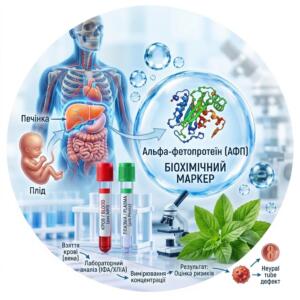
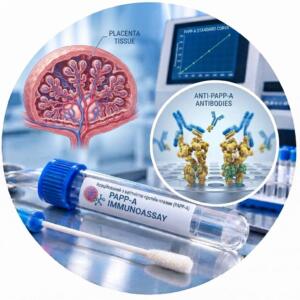



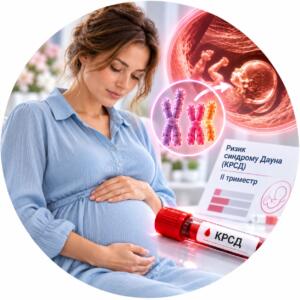
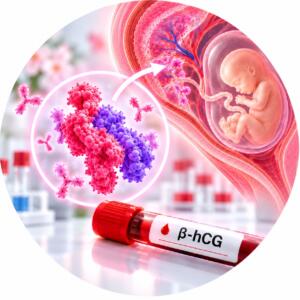
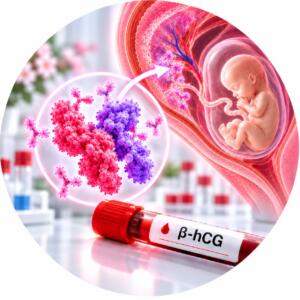

Prenatal diagnostics at the Medi Lab Plus laboratory includes a complex of screening tests to monitor fetal development and assess the risks of chromosomal pathologies during pregnancy. Laboratory tests help the expectant mother and the doctor obtain objective data for a safe pregnancy.
The importance of prenatal screening
Timely testing allows to detect the probability of developing genetic abnormalities of the fetus in the early stages. Laboratory analysis of blood markers in combination with ultrasound examination data is the international standard of pregnancy management, providing informativeness for the obstetrician-gynecologist and peace of mind for the family.
Areas of prenatal research
This section of the catalog presents key tests for the first and second trimesters of pregnancy. Patients can order first trimester prenatal screening, second trimester prenatal screening, PRISCA risk calculation, pregnancy-associated plasma protein A (PAPP-A) and free beta-hCG. Also listed are total human chorionic gonadotropin (hCG), free estriol, alpha-fetoprotein (AFP) and placental growth factor (PLGF). These indicators are necessary to assess the risks of Down syndrome, Edwards syndrome, Patau syndrome and neural tube defects in the fetus.
Accuracy of genetic risk calculation
Individual risk calculations are performed using certified software. The program takes into account not only the exact concentration of laboratory markers in the blood serum, but also the woman's age, weight, ethnicity, bad habits, the presence of in vitro fertilization (IVF) and ultrasound data. Automated analysis minimizes the likelihood of error.
Rules for preparing for taking tests
Blood for prenatal screening is given in the morning on an empty stomach, after 8–12 hours of fasting.
On the eve of a visit to any Medi Lab Plus department, it is necessary to completely exclude fatty foods, alcohol, and significant physical exertion. In the morning before the procedure, you are allowed to drink only clean, non-carbonated water.
Before taking the biomaterial, it is important to have the results of the ultrasound examination with an accurate indication of the coccygeal-parietal size of the fetal CTR and the date of the examination. These data are mandatory for the correct software calculation of individual genetic risks.

