
Unconjugated estriol (Free E3)
280 UAH
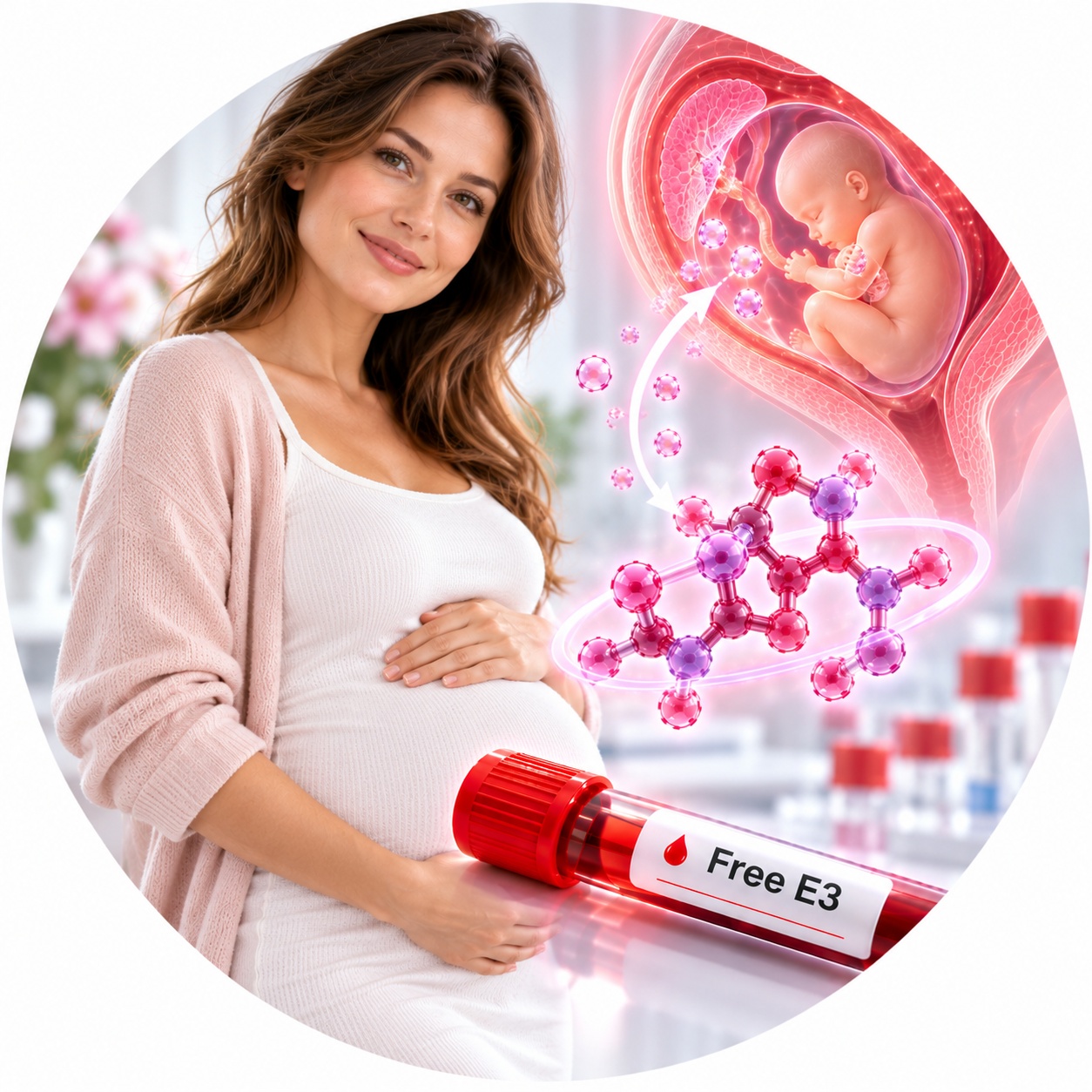
Unconjugated estriol (Free E3) test is a laboratory blood test to determine the level of free estriol, an estrogen that plays an important role during pregnancy. The test may be part of a prenatal biochemical screening program to assess the risk of certain chromosomal abnormalities and fetal developmental disorders. The result is not an independent diagnosis and should be evaluated by a doctor along with other screening indicators, gestational age, and ultrasound data. Please consult your doctor or laboratory for preparation for the test and the optimal timing of the examination.
Prenatal biochemical screening of the second trimester (16-20 weeks)
Unconjugated estriol (Free E3) and its role in the hormonal panel and prenatal diagnosis in the second trimester of pregnancy (16-20 weeks).
Pregnancy is one of the most important phases of a woman's life. An important part of pregnancy is prenatal diagnosis, which includes various methods and tests to assess the health of the fetus and the course of pregnancy. One of these methods is prenatal biochemical screening in the second trimester, which includes measuring the level of unconjugated estriol (Free E3) in the mother's blood. In this article, we will look at what unconjugated estriol is, its role in hormone panel and how it is used for prenatal diagnosis in the second trimester.
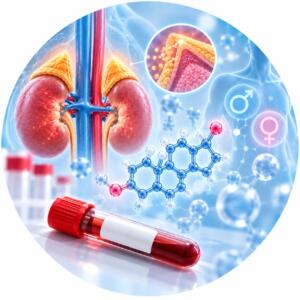
Unconjugated estriol is one of the three main types of estrogens synthesized in the female body. The other two estrogens are estradiol and estrone. Estriol is produced by the placenta and fetal liver of the fetus during pregnancy, and its levels gradually increase as pregnancy progresses. Estriol plays a key role in maintaining pregnancy because it increases blood flow to the uterus and promotes fetal development.
In the second trimester of pregnancy (16-20 weeks), it is important to measure the level of unconjugated estriol in the mother's blood as part of prenatal biochemical screening. This procedure is part of a complex of tests that also include measuring the levels of other markers, such as alpha-fetoprotein (AFP), chorionic gonadotropin (hCG) and unconjugated estradiol (uE3). The results of these tests allow you to assess the risk of various birth defects and chromosomal abnormalities in the fetus.
Unconjugated estriol is important in the context of prenatal diagnosis, as its low or abnormal levels may indicate possible fetal birth defects, such as Down syndrome or spinal muscular atrophy. On the other hand, increased estriol levels may be associated with other pregnancy problems, such as preeclampsia.
It is important to note that prenatal biochemical screening, including measurement of unconjugated estriol, is not a diagnostic test. It only provides information about risk, and additional tests, such as ultrasound or amniocentesis, may be recommended for a more accurate diagnosis if a birth defect is suspected.
In general, unconjugated estriol is an important biochemical marker used in prenatal diagnosis to assess the risk of congenital malformations and abnormalities in the fetus. It, together with other tests, creates a complete picture of the pregnancy and helps doctors and parents make informed decisions about further pregnancy management and planning for further treatment.
Given the importance of prenatal diagnosis, pregnant women should follow their doctor's advice and regularly visit the antenatal clinic to promptly identify and address any problems related to the health of the mother and fetus.
| Execution time | 1 day |
|---|---|
| Type of biomaterial | Venous blood |
Useful tests