
Candida albicans (Candida), IgM
430 UAH
Infection panel/Candidiasis diagnosis
Description
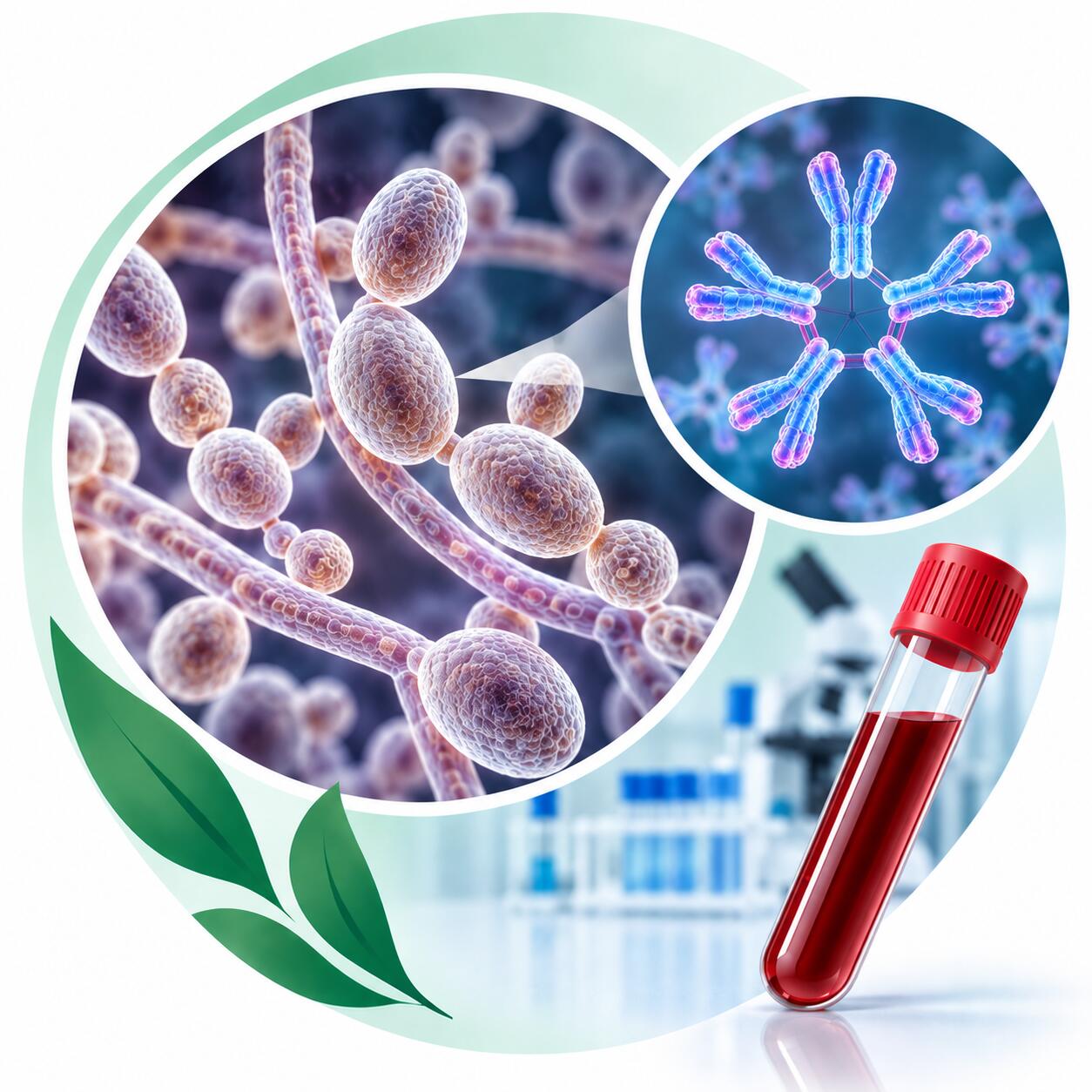
Candida albicans is a yeast-like fungus that is one of the normal microorganisms that inhabit our bodies. It can be found in the mouth, stomach, intestines and other places where microflora normally reside. However, in certain circumstances, when the immune system is weakened or certain conditions favor its reproduction, Candida albicans can become pathogenic and cause a disease known as candidiasis.
Candidiasis can affect various parts of the body, including the skin, nails, mouth, genitals, intestines, and other organs. The main risk factors for developing candidiasis include:
- Weakened immunity: People with weakened immune systems, such as those with HIV or those receiving immunosuppressive therapy after an organ transplant, are at greater risk of infection with Candida albicans.
- Antibiotic therapy: The use of antibiotics can disrupt the balance of microflora in the body, promoting the reproduction of fungi.
- Diabetes: Individuals with diabetes are at increased risk of developing candidiasis because high blood glucose levels can create a favorable environment for Candida albicans to grow.
- Pregnancy: In some cases, hormonal changes during pregnancy can lead to an increased risk of candida infection.
- Diseases of the circulatory system: People who suffer from diseases of the blood system, such as leukemia, are also at increased risk of candidiasis.
Symptoms of candidiasis can vary depending on the part of the body that is infected. For example, in the case of oral candidiasis (cracks in the corners of the mouth, ulcers on the tongue), symptoms may include pain and discomfort when eating or talking. In genital candidiasis, itching, burning, and discharge from the genitals may occur. In the case of skin candidiasis, symptoms may include red spots, itching, and moisture.
Microscopic examination of samples, culture, or molecular methods may be used to diagnose candidiasis. Treatment for candidiasis includes the use of antifungal medications such as fluconazole or nystatin, which may be in the form of tablets, creams, or solutions.
As for IgM, it is a class of immunoglobulins, or antibodies, that are produced by the body immediately after exposure to a new infection. IgM antibodies are the first to respond to an infection, and their presence can indicate an active immune response. In cases of candidiasis, elevated IgM levels can indicate that the body is fighting a fungal infection.
As a result, Candida albicans can cause a disease known as candidiasis. This disease can affect different parts of the body and is particularly likely to develop in people with weakened immune systems or other risk factors. IgM antibodies can be an important indicator of the immune response to a fungal infection such as candidiasis. It is recommended to consult a medical professional for accurate diagnosis and treatment.
Additional information
| Type of biomaterial | Venous blood |
|---|---|
| Execution time | 1 day |
Related products