Chlamydia Trachomatis (Chlamydia): PCR-qualitative determination (scrape)
420 UAH
Infection panel/Chlamydia diagnosis
Real-time PCR is a qualitative determination.
(The study is conducted only at the address: Kamyanets'ka, 106)
Rules for preparing patients for urinalysis in men
– Abstain from sexual intercourse for 3 days.
– Refrain from alcohol and spicy food for 3 days.
– Submit the material for examination before, or no earlier than 14 days after the end of the course of medical therapy (antibacterial and antifungal drugs), unless otherwise recommended by the doctor.
– Refrain from using local medications and procedures during the day.
– Immediately before taking the test, refrain from urinating for 2-3 hours.
Rules for preparing patients for a vaginal scraping in women
– Abstain from sexual intercourse for 3 days.
– Refrain from alcohol and spicy food for 3 days.
– Submit the material for examination before, or no earlier than 14 days after the end of the course of medical therapy (antibacterial and antifungal drugs), unless otherwise recommended by the doctor.
– During the day, refrain from using local dosage forms (suppositories, ointments, douches, contraceptives, etc.) and intimate hygiene products containing bactericidal additives.
– If the scraping will be performed from the urethra, do not urinate for at least 3 hours before taking the material.
– The material cannot be donated during menstruation (only 3 days after its end).
Chlamydia (Chlamydia Trachomatis) is an infectious disease caused by Chlamydia trachomatis bacteria. This bacterium can affect various organs and systems of the body and cause serious complications if not detected and treated in time. Diagnosis of chlamydia is an important step in controlling and preventing the spread of this infection. In this article, we will look at the infection panel for diagnosing chlamydia.
Chlamydia: general information
Chlamydia is one of the most common sexually transmitted infections in the world. The bacterium Chlamydia trachomatis is transmitted through sexual contact and can affect the mucous membranes of the genitals, eyes, mouth, and other organs. In many cases, the infection is asymptomatic, making it difficult to diagnose and treat.
Diagnosis of chlamydia
Various methods are used to diagnose chlamydia. An infection panel for diagnosing this disease includes the following components:
- History and clinical symptoms: The doctor takes a medical history and asks the patient about possible symptoms of chlamydia, such as itching, inflammation of the urethra, abdominal pain, vaginal or anal discharge, and possible contact with an infected person.
- Laboratory smear tests: One of the main methods for diagnosing chlamydia is to take swabs from the mucous membrane of the urethra, cervix, or anus. These swabs are examined for the presence of the bacterium Chlamydia trachomatis.
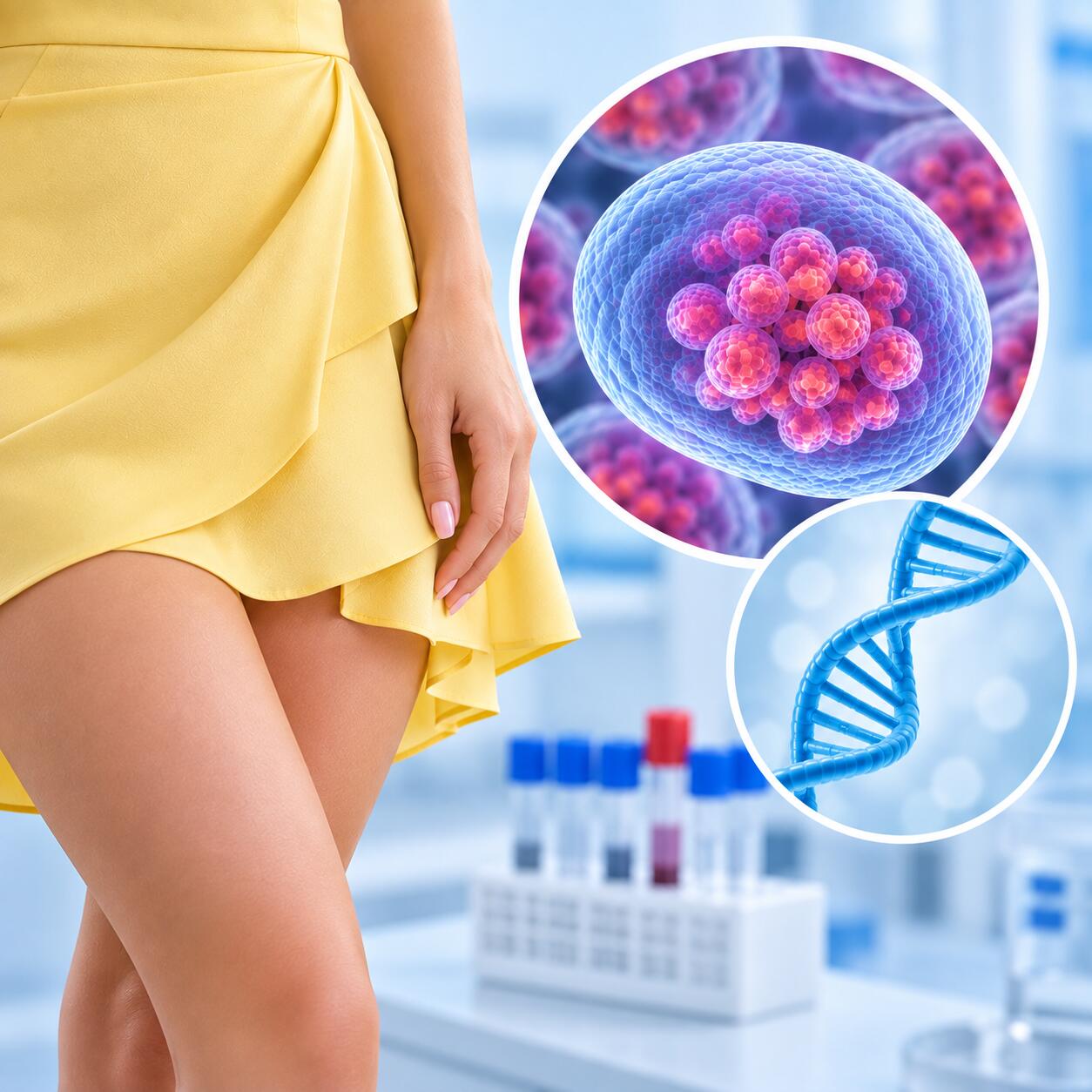
- Polymerase chain reaction (PCR) method: This method is highly sensitive and specific for detecting the genetic material of the bacterium Chlamydia trachomatis. It can detect infection even when only small amounts of the bacteria are present.
- Serum tests: Sometimes, serum tests are used to detect antibodies to Chlamydia trachomatis in a patient's blood. This helps to determine the presence of the infection and assess its stage.
- Ultrasound examination: In case of complications, such as inflammation of the uterine appendages, an ultrasound scan may be used to assess the condition of the pelvic organs.
Conclusion
Diagnosis of chlamydia is an important step in ensuring reproductive health and preventing the spread of this infection. Early diagnosis and timely treatment of chlamydia can avoid serious complications, such as inflammation of the uterine appendages and infertility. The infectious panel for diagnosing this disease includes clinical evaluation, laboratory methods, PCR, serum tests and other studies aimed at accurate and rapid detection of chlamydia. Early detection and treatment of this infection help prevent its spread and avoid serious health complications.
| Execution time | 1 day |
|---|---|
| Type of biomaterial | Urogenital scraping |
Useful tests