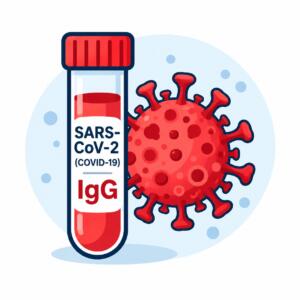

COVID-19 IgG S spike protein (SARS-CoV-2) quantification
400 UAH
Coronavirus infection COVID-19
COVID-19 IgG S Spike Protein (SARS-CoV-2) Quantitation: Diagnosis and Significance
The coronavirus disease COVID-19 has become a global pandemic, affecting millions of lives worldwide. The ways to detect and control this disease are evolving extremely rapidly, and one of the important tools for diagnosing and monitoring COVID-19 is the quantitative determination of IgG antibodies to the S spike protein of the SARS-CoV-2 virus.
S Splicing Protein: The Key to Recognition
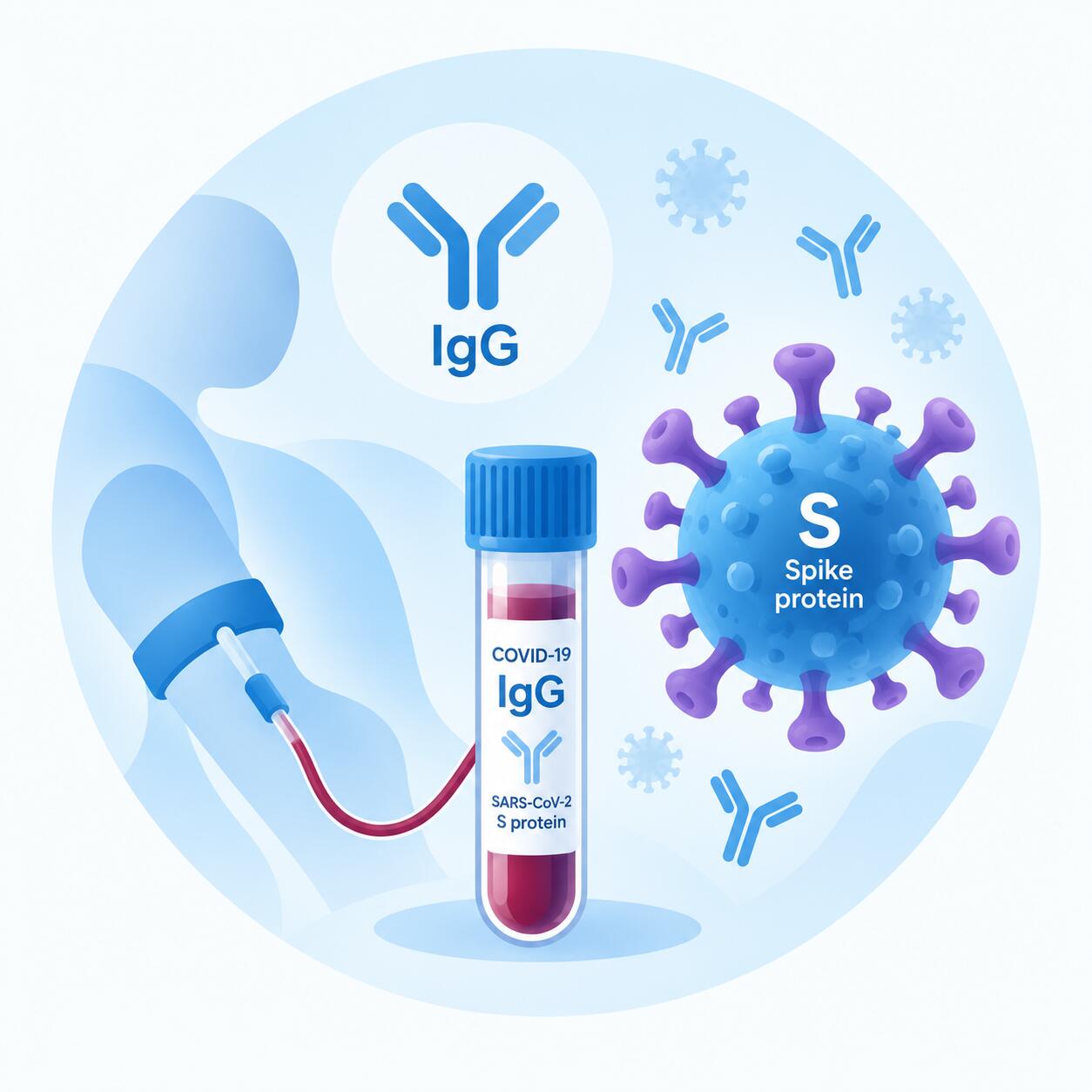
The S spike protein of SARS-CoV-2 is a key component of the virus that allows it to enter human cells. This protein is located on the surface of the virus and has an important function. The S spike protein interacts with receptors on the cell membrane and helps the virus enter the cell, which opens the way for the spread of infection.
When a virus enters the body, the immune system begins to produce antibodies to fight it. One of the strategies of immunity is the production of IgG antibodies to the S spike protein. These antibodies are important for protection against repeated infections and for determining the degree of immunity.
IgG Quantitation: Diagnostic Tool
The quantitative determination of IgG antibodies to S spike protein allows us to determine the amount of these antibodies in the patient's blood. This test is an important tool for diagnosing COVID-19 and determining the immune status. Here are some key aspects of this test:
- Diagnosis of infection: After infection with the SARS-CoV-2 virus, the body begins to produce IgG antibodies. A quantitative IgG test can detect the presence of these antibodies in the blood, allowing a diagnosis of COVID-19 to be confirmed.
- Immunity monitoring: After infection or vaccination, IgG antibody levels may change over time. Monitoring these levels allows us to determine the extent of immunity and determine whether additional doses of the vaccine or maintenance immunotherapy are needed.
- Immune response studies: Studying the amount of IgG antibodies can help scientists understand how the body responds to vaccination and how quickly immunity develops.
- Epidemiological studies: Quantitative determination of IgG antibodies is also useful for epidemiological studies, which help determine the level of immunity in a population and predict the risks of spreading infection.
It is important to emphasize that IgG antibody quantification is only one part of a comprehensive approach to COVID-19 diagnosis and control. Other methods, such as PCR tests and clinical assessments, are also important to fully understand the patient's condition and the spread of infection.
In conclusion, the quantitative determination of IgG antibodies to the S spike protein of SARS-CoV-2 is an important tool for diagnosis, monitoring and COVID-19 research. This test helps doctors and scientists gain more information about the disease and the immune response, which is important in fighting this pandemic.
| Execution time | 1 day |
|---|---|
| Type of biomaterial | Venous blood |