

Cytomegalovirus (CMV), IgG
350 UAH
Infection panel/Cytomegalovirus infection
Cytomegalovirus (CMV), IgG Infection Panel: Diagnosis and Treatment
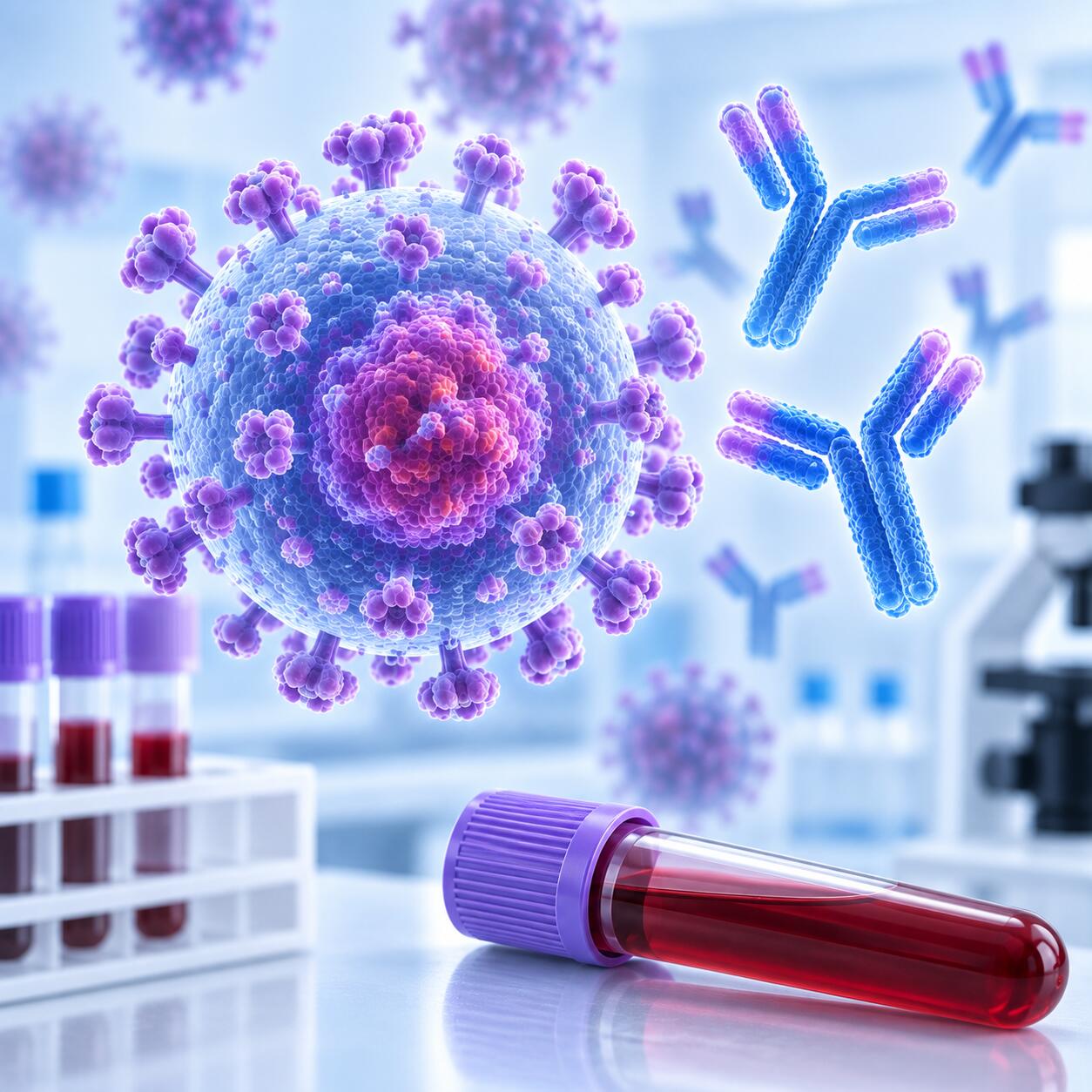
Cytomegalovirus (CMV) is one of the representatives of herpesviruses, which can cause serious infections in humans. This infection is especially dangerous for people with suppressed immune systems, such as patients with HIV infection, organ transplant recipients, and newborn infants. An infection panel, including measurement of IgG antibody levels, is used to detect cytomegalovirus infection and assess the patient's immune status.
Structure and properties of CMV
Cytomegalovirus (CMV) belongs to the herpesvirus family and has a large, bilaterally symmetrical DNA genome. This virus can remain in the human body for life after primary infection. In most cases, after primary infection, the virus enters a latent phase, where it is inactive, but can be reactivated in conditions of reduced immunity.
CMV is easily transmitted from person to person through saliva, genital secretions, blood, urine, and breast milk, making it common in the population. In healthy adults, the immune system usually controls CMV replication, and infection is asymptomatic or causes mild, flu-like symptoms.
The role of IgG antibodies in diagnosis
Immunological tests, including measuring levels of IgG antibodies, are used to diagnose cytomegalovirus infection and determine the patient's immune status.
- IgG antibodies: After exposure to CMV infection or after vaccination against it, the body produces antibodies, including IgG, to fight the virus. IgG antibody levels usually rise within a few weeks after infection or vaccination. Measuring IgG antibody levels can help determine whether an infection has occurred and how long it has lasted.
Diagnosis of cytomegalovirus infection
The following methods are used to diagnose CMV:
- Serological tests: These tests measure the levels of antibodies, particularly IgG, in a patient's serum. Elevated levels of IgG antibodies may indicate an active or past infection.
- Polymerase chain reaction (PCR): This method allows the detection of CMV DNA in biological samples such as saliva, urine or blood. PCR is particularly useful for determining the activity of the virus.
- Virus cultivation: This method involves growing CMV in the laboratory for further study and analysis.
Treatment of cytomegalovirus infection
In most cases, mild CMV infection does not require treatment, as the body will clear the virus on its own. However, in severe cases or in patients with suppressed immune systems, treatment may be necessary. CMV is treated with antiviral drugs such as ganciclovir or valganciclovir.
Conclusion
Cytomegalovirus infection is a serious disease, especially for patients with suppressed immune systems. Diagnosis of this infection and determination of the patient's immune status are important for timely and effective treatment. Measurement of IgG antibody levels is one of the key methods in the diagnosis of CMV. With early detection and appropriate treatment, the risk of complications can be reduced and the prognosis for patients with cytomegalovirus infection can be improved.
| Execution time | 1 day |
|---|---|
| Type of biomaterial | Venous blood |
Useful tests