
Cytomegalovirus (CMV), IgM
350 UAH
Infection panel/Cytomegalovirus infection
Cytomegalovirus Infection (CMV) and IgM Infection Panel: Diagnosis and Treatment
Cytomegalovirus (CMV) is one of the most common viruses among humans and can cause serious problems for people with weak immune systems. This infection can be especially dangerous for newborns and immunocompromised patients. However, thanks to the infection panel, in particular IgM antibodies, doctors can diagnose and treat CMV infection in a timely manner, which significantly improves the prognosis of the disease.
Cytomegalovirus: General information
Cytomegalovirus (CMV) is a member of the herpesvirus family and can remain in the human body for life. Most infections are asymptomatic and go unnoticed by most people with normal immunity. However, for certain groups of patients, such as immunocompromised individuals or newborns, CMV can cause serious complications, including pneumonia, hepatitis, neurological complications, and other problems.
CMV Diagnosis: The Role of IgM in the Infection Panel
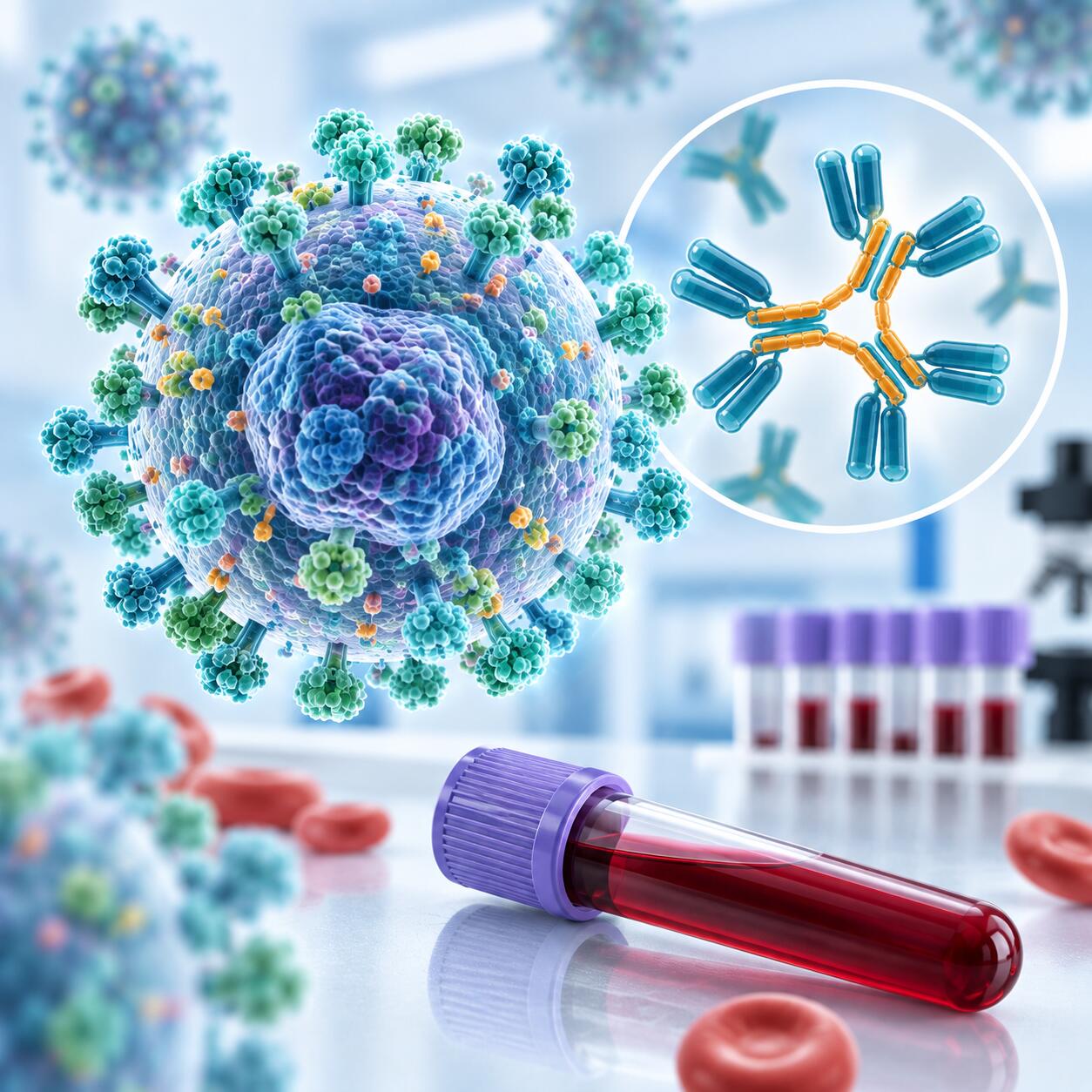
To diagnose CMV infection, doctors usually use an infection panel, which includes various tests, including antibody detection. IgM antibodies are important for diagnosing active or recent infection. If the body is infected with CMV, specific IgM antibodies begin to be produced immediately after infection, and their detection in the blood indicates active infection.
The infection panel may also include other tests, such as polymerase chain reaction (PCR) to detect the genetic material of the virus or culture methods to grow the virus in the laboratory.
Treatment of CMV infection
Treatment for CMV infection can depend on many factors, including the patient's age, immune status, level of viral activity, and other underlying medical conditions. For mild cases of infection, antiviral medications such as valganciclovir or ganciclovir may be sufficient. However, it is important to note that these medications have certain limitations and can have side effects.
In severe cases, especially in patients with significant immunodeficiencies, doctors may prescribe intrusive treatments such as infusions of immunoglobulins or anti-CMV drugs.
Prevention of CMV infection
For individuals with weakened immune systems or those at risk (such as pregnant women), it is important to follow preventive measures to prevent CMV infection. This may include avoiding contact with saliva and other secretions from infected individuals, using protective barrier methods during sexual intercourse, and general measures to support immunity.
Conclusion
Cytomegalovirus infection can have serious consequences, especially for vulnerable populations. Diagnostics using an infection panel, in particular the detection of IgM antibodies, is important for the timely detection and treatment of infection. Treatment may vary depending on the patient's condition, and it is important to take into account individual characteristics and risks. Preventive measures are also important to prevent the spread of CMV infection in at-risk populations.
| Execution time | 1 day |
|---|---|
| Type of biomaterial | Venous blood |
Useful tests