Toxocara canis (Toxocarosis), IgG
490 UAH
Infectious panel/Parasitology
Description
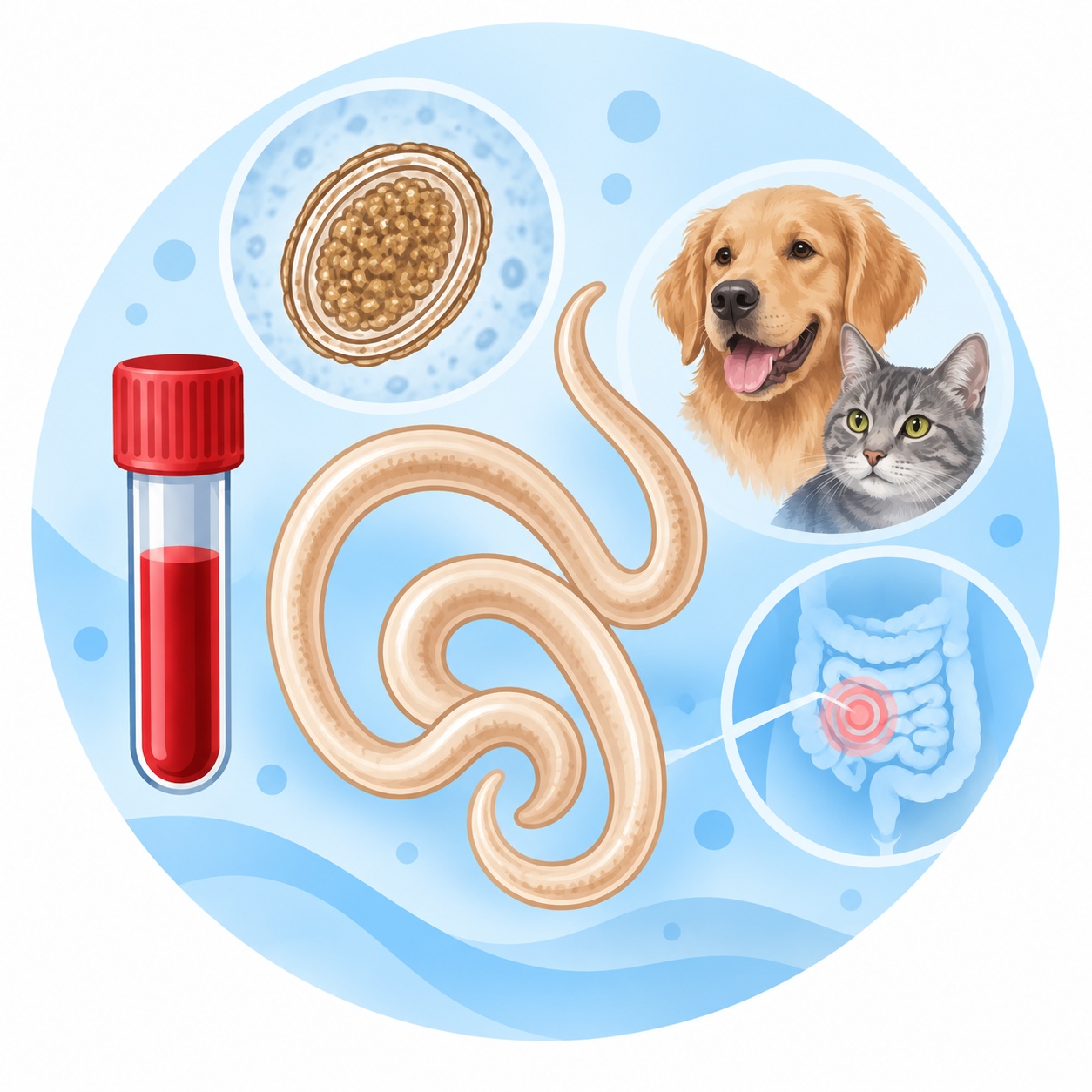
Toxocariasis is one of the most common helminthic diseases in the world, caused by the parasites Toxocara canis and Toxocara cati. This disease affects humans and animals, especially children, who are exposed to a high infectious load. In this text, we will review the basic information about toxocariasis and the role of immunoglobulin G (IgG) in the diagnosis of this infection, in particular in the infectious parasitology panel.
Toxocariasis: Overview
Toxocariasis is caused by nematodes of the genus Toxocara, the main representatives of which are Toxocara canis (in dogs) and Toxocara cati (in cats). The main source of infection for humans is the environment contaminated with eggs of these parasites. Infection can occur through slippery oral contact, water, soil, vegetables, berries, as well as through domestic animals such as dogs and cats.
Symptoms of toxocariasis may include a non-valvular toenail, fatigue, anemia, anorexia, and neurological symptoms that occur in severe cases. Children may experience shortness of breath, hyperthermia, leukocytosis, and other symptoms.
Diagnosis of toxocariasis using IgG
Immunoglobulin G (IgG) is one of the classes of antibodies produced by the body in response to infection. In toxocariasis, IgG is produced by the patient in response to antigens tested by the Toxocara canis parasite. Testing serum IgG levels can be a useful tool for diagnosing toxocariasis.
The following methods are used in the infectious parasitology panel to diagnose toxocariasis:
- Enzyme-linked immunosorbent assay (ELISA): This method allows the detection and measurement of IgG levels directed against Toxocara canis antigens. Elevated IgG levels may indicate active infection.
- Immunoblotting: This method allows you to confirm ELISA results and determine whether antibodies to specific parasite antigens exist.
- Serological tests: Some tests can use specific Toxocara canis antigens to detect antibodies in serum.
Treatment and Prevention of Toxocariasis
Treatment for toxocariasis involves the administration of anthelmintic drugs such as albendazole or mebendazole under the supervision of a physician. Treatment should be individualized and prescribed according to the degree of infection and clinical symptoms.
Prevention includes:
- Thorough hand washing after contact with animals and soil.
- Jamming or heat treatment of vegetables and berries before consumption.
- Regular disinfection of animals and control of their helminthiasis.
- Providing children with opportunities to play in a clean environment.
Conclusion
Toxocariasis is a serious parasitic disease that can affect human health. Diagnosis and determination of IgG levels in the infectious parasitology panel are important steps in the recognition and treatment of this infection. Prevention of toxocariasis consists of strict adherence to personal hygiene and animal control measures.
Additional information
| Execution time | 1 day |
|---|---|
| Type of biomaterial | Venous blood |
Related products