
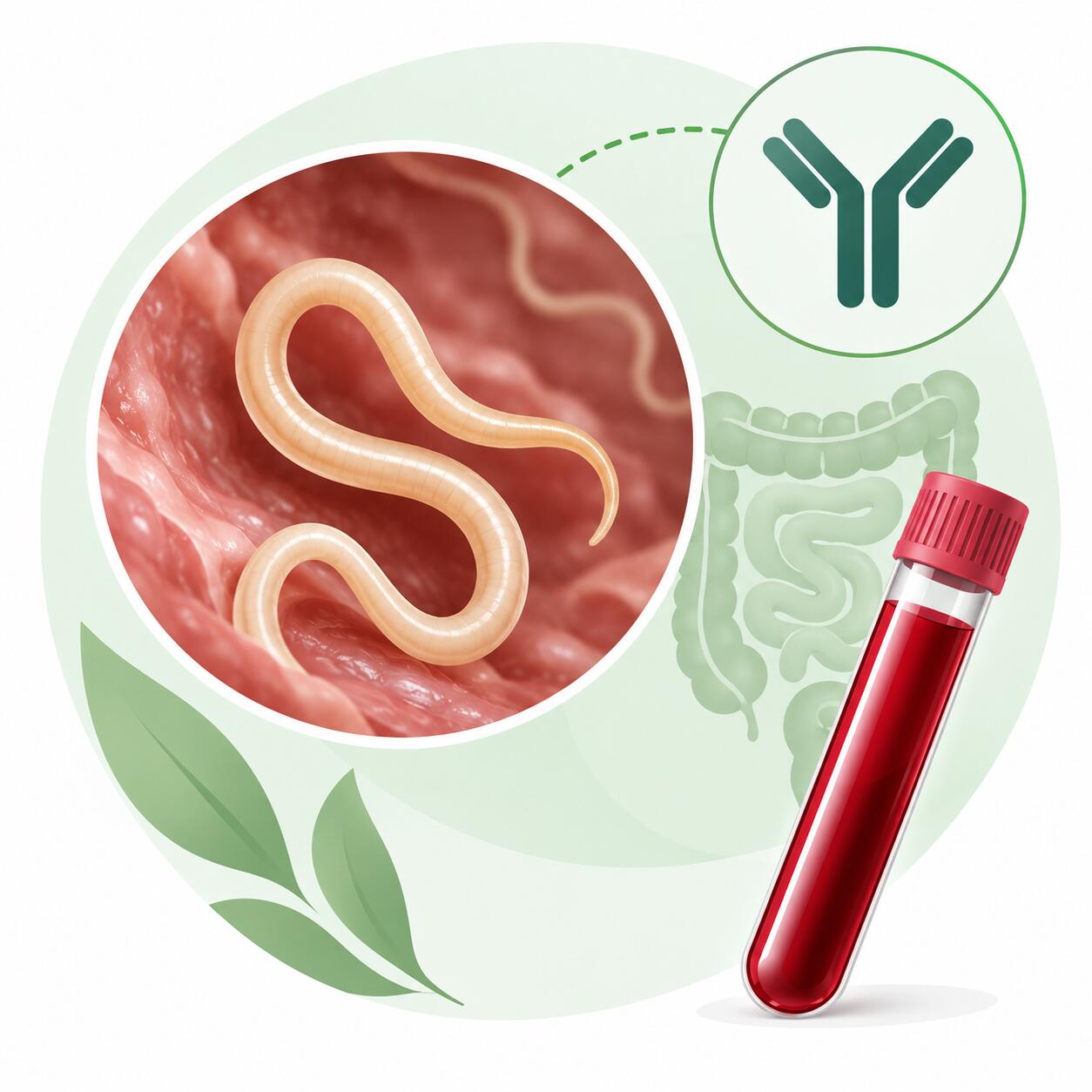


Ascaris lumbricoides (Ascaris), IgG
490 UAH
Infectious panel/Parasitology
Description
Ascariasis is one of the most common parasitic diseases in the world, caused by the parasite Ascaris lumbricoides. This worm affects millions of people, especially in countries with low hygiene and inadequate sanitation. In this article, we will look at the characteristics of ascariasis, the causes of its spread, the symptoms of the disease and methods of diagnosis.
Characteristics of Ascaris lumbricoides: Ascaris lumbricoides is a cylindrical, white worm measuring 15 to 35 cm in length. Adult worms live in the human intestine, where they feed on digested food and nutrients. The life cycle of the worm begins with an egg, which is passed out in the feces and contaminates the environment.
Reasons for spread:
The main factor in the spread of ascariasis is contact with infected feces or contaminated food and water. The larvae of the worm can be found in the soil or on the surface of vegetables and fruits, infecting humans when consuming raw or undercooked foods.
Symptoms of ascariasis:
Symptoms of ascariasis can vary and depend on the stage of the disease. During the larval migration period, the worms can cause general symptoms such as:
- Fever
- Fatigue
- General weakness
- Cough
When it reaches the mature stage and is in the intestines, the following symptoms may occur:
- Abdominal pain
- Vomiting
- Diarrhea or constipation
- Nausea
- Loss of appetite
- Weight loss
In some cases, especially with significant infestation, complications such as intussusception (the intrusion of one intestinal tract into another) or intestinal blockage may occur.
Diagnostics:
For To diagnose ascariasis, the doctor usually prescribes laboratory tests of feces. for the presence of worm eggs. X-ray examination may show changes in the intestines indicating a possible infestation.
Treatment and prevention:
Ascariasis is usually treated with anthelmintic drugs such as mebendazole or albendazole. However, self-medication is not recommended and a doctor should be consulted before using any medication.
Prevention of ascariasis includes maintaining personal hygiene, washing hands thoroughly after contact with soil, as well as maintaining a clean environment and ensuring proper food handling before consumption.
Conclusion:
Ascariasis is a serious public health problem, especially in regions with poor sanitation. Early detection, diagnosis and treatment are important aspects of combating this infection. It is important to remember preventive measures to prevent ascariasis infection and maintain your health. Consult a doctor if symptoms appear and follow his recommendations for successful treatment and prevention of complications
Additional information
| Execution time | 1 day |
|---|---|
| Type of biomaterial | Venous blood |
Related products






-20%
Sexually transmitted infections, STIs (women)
Original price was: 3,980 грн.3,180 UAHCurrent price is: 3,180 грн.
-20%