Influenza A, influenza B, respiratory syncytial virus: PCR-qualitative determination
1,000 UAH
Infectious panel/Respiratory diseases/Influenza diagnostics/
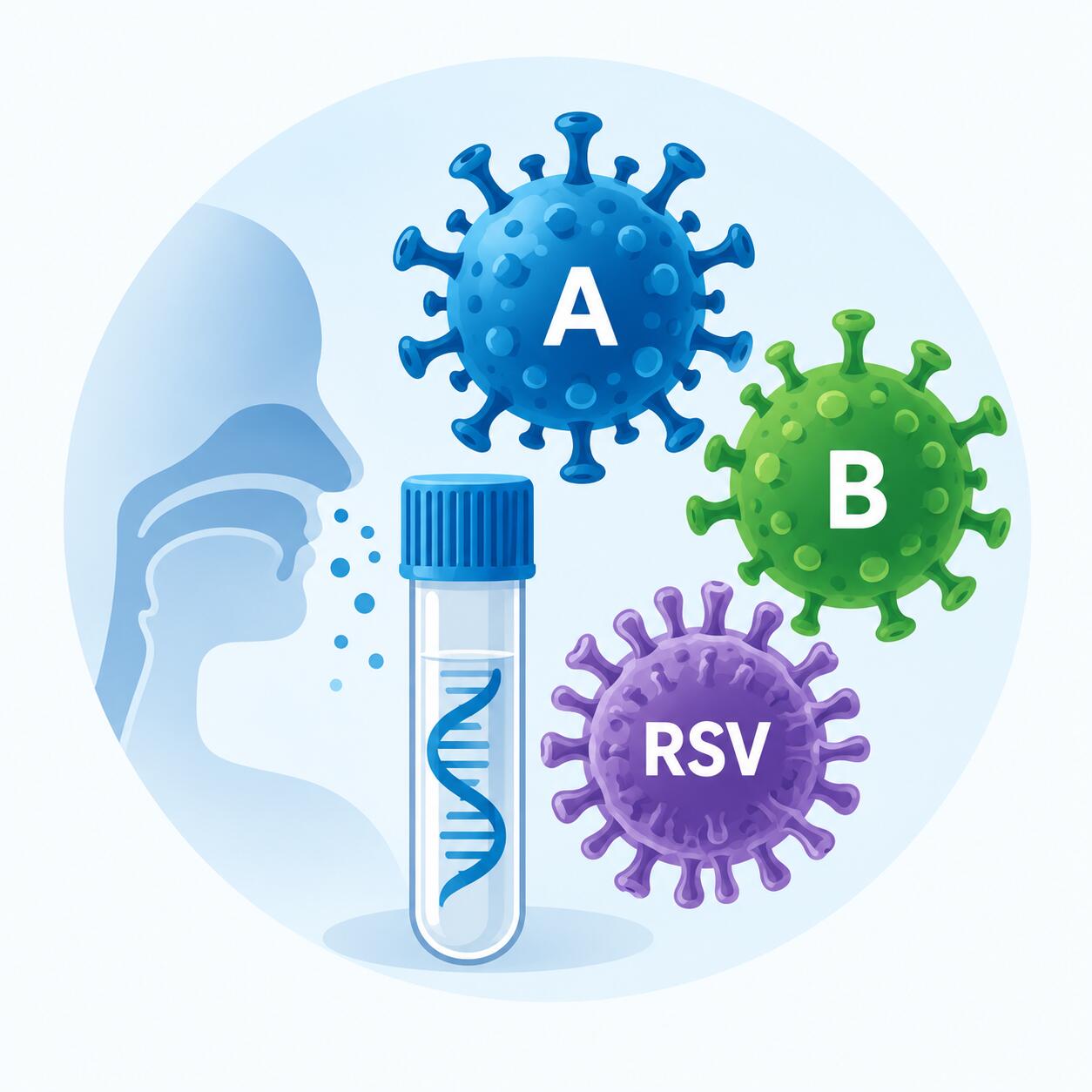
PCR testing can detect genetic material from influenza A, influenza B, and respiratory syncytial virus (RSV). The test helps identify the possible cause of an acute respiratory infection and can be useful in determining further investigation and treatment.
What determines research?
The polymerase chain reaction (PCR) method is used to qualitatively determine the genetic material of three respiratory viruses:
- Influenza A — a virus that causes seasonal flu and can lead to complications.
- Influenza B — a virus that also causes seasonal flu.
- Respiratory syncytial virus (RSV) — a respiratory infection agent that can cause bronchiolitis and pneumonia, especially in infants, young children, and the elderly.
When is the study recommended?
The test may be recommended by a doctor if you have symptoms of an acute respiratory infection, including fever, cough, runny nose, sore throat, and general weakness. The test may also be appropriate for patients at risk or if a complicated course of the disease is suspected.
Biomaterial
Naso-oropharyngeal scraping.
Preparation for the study
- Do not eat or drink, smoke, chew gum, or brush your teeth for at least 2–3 hours before taking the sample.
- Do not use sprays, drops, or other nasal products immediately before the test.
- Before taking a sample from the oropharynx, do not rinse your mouth with antiseptics or use throat lozenges.
Why is PCR diagnostics important?
PCR helps detect the genetic material of viruses in the test sample. The results are used together with symptoms and other clinical data to clarify the cause of the disease and determine further management tactics for the patient.
Deadline: 1 day.
| Type of biomaterial | nasopharyngeal swab |
|---|---|
| Execution time | 15-20 minutes. |
| Till what time | until 3:00 PM (Mon-Fri) |
Useful tests