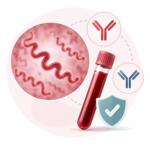

Anti-Treponema pallidum, IgG
340 UAH
Infection Panel/Syphilis Diagnosis
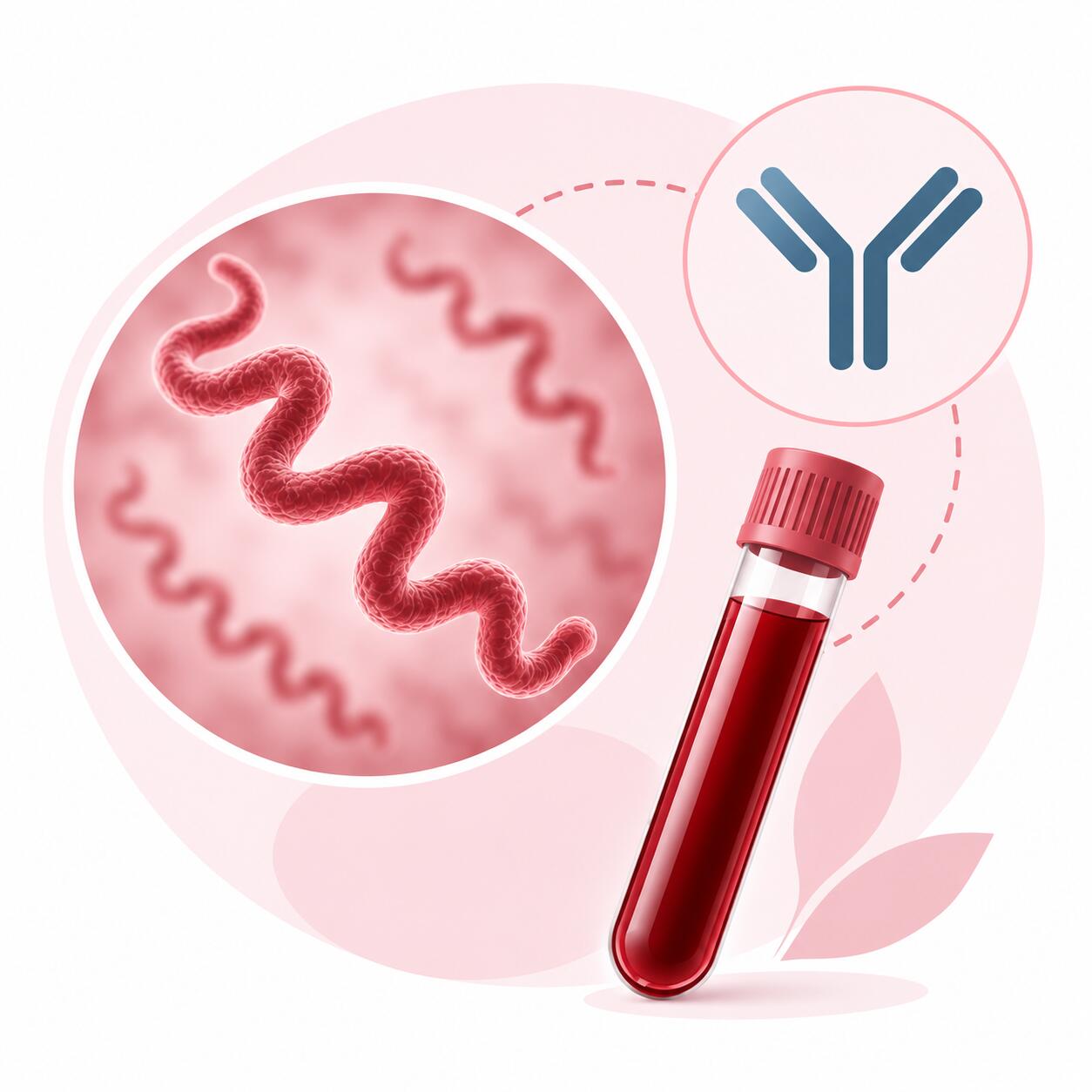
Syphilis is one of the most serious sexually transmitted diseases in the world, caused by the bacterium Treponema pallidum. The body's immune response to this pathogen plays a key role in the diagnosis and control of the spread of infection. One of the main markers of the immune response to Treponema pallidum is immunoglobulin G (IgG), a class of antibodies formed after interaction with antigens of this bacterium.
IgG is the most abundant class of antibodies in serum. It is synthesized by B lymphocytes after contact with pathogens or antigens. For various pathogens, IgG antibodies can persist in the blood for a long period, making them useful for determining the immune status of the body against certain infections, including syphilis.
The role of anti-Treponema pallidum IgG in the diagnosis of syphilis:
- Detection of previous infections: Anti-Treponema pallidum IgG can detect previous infections that may be latent or have only minimal symptoms. This helps doctors diagnose syphilis that has been cured but remains in the body.
- Monitoring the effectiveness of treatment: After treatment for syphilis, the level of anti-Treponema pallidum IgG in the blood decreases over time. Monitoring this indicator allows you to assess the effectiveness of therapy and confirm the successful elimination of the infection from the body.
- Convalescence: An increase in IgG antibody levels indicates an active immune response by the body to the infection and may be an indicator of convalescence, when the body begins to produce antibodies to fight the infection.
- Blood transfusion screening: Determining the level of anti-Treponema pallidum IgG in a potential blood donor helps to rule out previous or current infections and ensure the safety of the blood for transfusion.
Anti-Treponema pallidum IgG diagnostics:
Various immunological methods are used to diagnose anti-Treponema pallidum IgG:
- Enzyme-linked immunosorbent assay (ELISA): This method is based on the interaction of Treponema pallidum antigens with antibodies in the patient's plasma. ELISA is a highly sensitive and specific diagnostic method, but it requires laboratory equipment and qualified personnel to perform.
- Immunochromatographic tests (seret tests): These tests are rapid and easy to use. They can detect anti-Treponema pallidum IgG without laboratory equipment or specialized knowledge. However, they may be less sensitive than ELISA.
Anti-Treponema pallidum IgG plays an important role in diagnosis and control of syphilis. Its detection allows to identify previous infections, monitor the effectiveness of treatment, determine the state of convalescence and ensure the safety of blood for transfusion. For the diagnosis of anti-Treponema pallidum IgG, various immunological methods are used, which allow to accurately determine the presence of these antibodies in patients. Timely diagnosis and treatment of syphilis are key factors in the fight against this infection and maintaining the health of the population.
| Execution time | 1 day |
|---|---|
| Type of biomaterial | Venous blood |
Useful tests