Toxoplasma gondii, IgG antibody avidity index
600 UAH
Infection panel/Toxoplasmosis
Toxoplasmosis is one of the most common parasitic diseases caused by the microscopic protozoan Toxoplasma gondii. This pathogen can affect various tissues and organs of the human body, which can lead to serious consequences, especially for people with weak immunity and pregnant women. To diagnose toxoplasmosis and determine the degree of infection, the IgG antibody avidity index in the infectious panel is used.
Toxoplasmosis is particularly relevant in the modern world because it can be transmitted from animals to humans and from person to person. The main sources of infection are cats and other carnivores, which are the definitive hosts of Toxoplasma gondii. The main route of transmission is contact with cat feces, as well as consumption of undercooked meat from infected animals. Other routes of infection can be vertical transmission from mother to fetus during pregnancy, as well as organ transplantation or blood transfusion.
To determine the presence of infection and assess the stage of toxoplasmosis, an immunological study is performed, including determination of the IgG antibody avidity index. This index is an important parameter, as it allows to distinguish an active infection from a previous one. Immunological methods also help to determine the presence of immunity and the degree of protection of the body against Toxoplasma gondii.
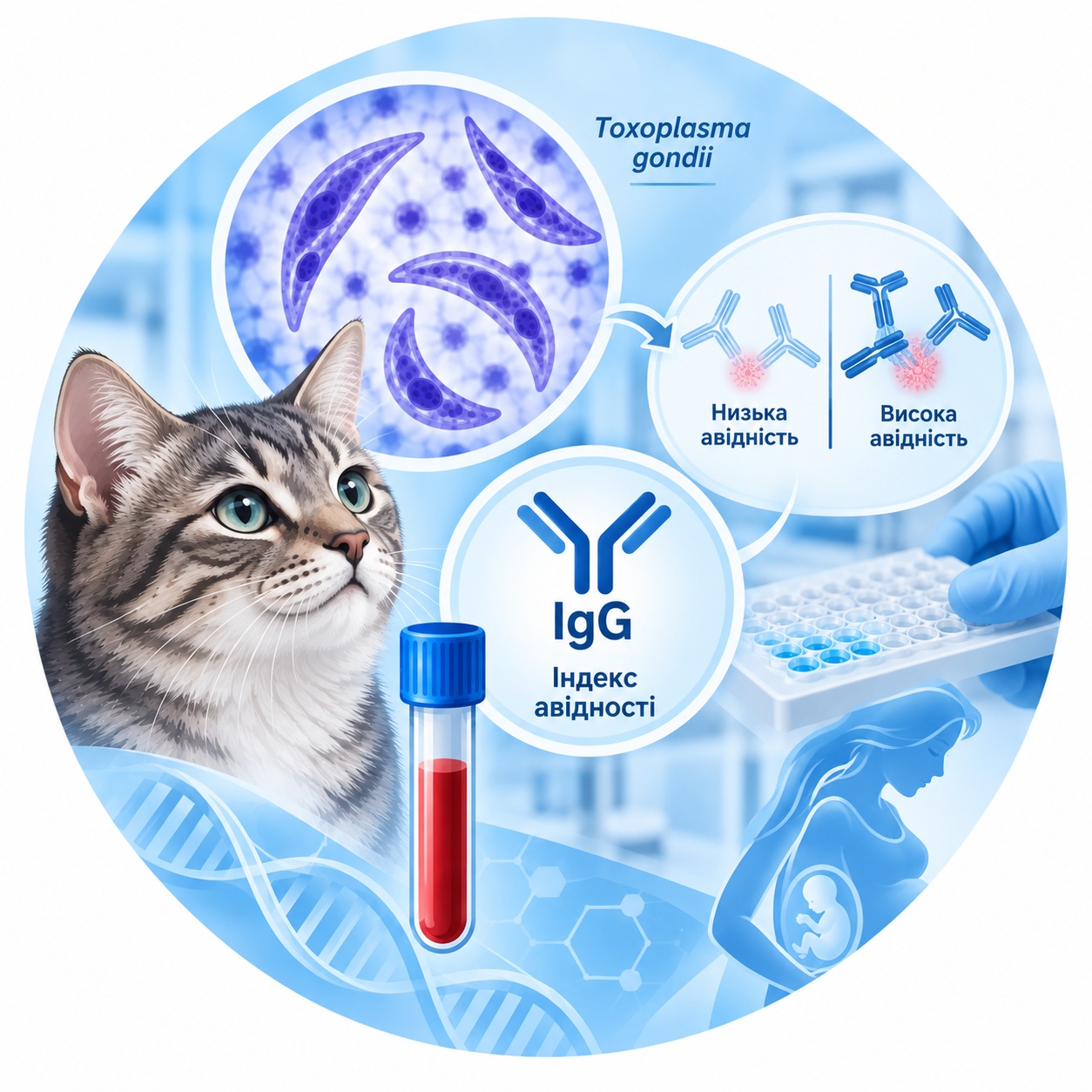
The IgG antibody avidity index indicates how strongly the antibodies have bound to Toxoplasma gondii antigens. It can be high or low, and it indicates the stage of infection:
- Low avidity index antibodies IgG may indicate a recent infection or weak immunity against the parasite. In this case, treatment with antiparasitic drugs may be necessary.
- A high avidity index of IgG antibodies indicates a previous infection and the presence of persistent immunity. A person who has a high level of such antibodies has already had toxoplasmosis and is protected from further infections.
Diagnosis and treatment of toxoplasmosis should be carried out by an infectious disease specialist or parasitologist based on a comprehensive examination and assessment of the patient's condition. Preventive measures include proper cooking of meat, avoiding contact with cats, and careful adherence to personal hygiene rules.
Awareness of the risks and timely diagnosis and treatment of toxoplasmosis are important for maintaining health and preventing the spread of this disease among the population.
| Execution time | 1 day |
|---|---|
| Type of biomaterial | Venous blood |
Useful tests