
Toxoplasma gondii (Toxoplasmosis), IgG
350 UAH
Infection panel/Toxoplasmosis
Toxoplasma gondii (Toxoplasma) and IgG: Diagnostics and Infection Panel
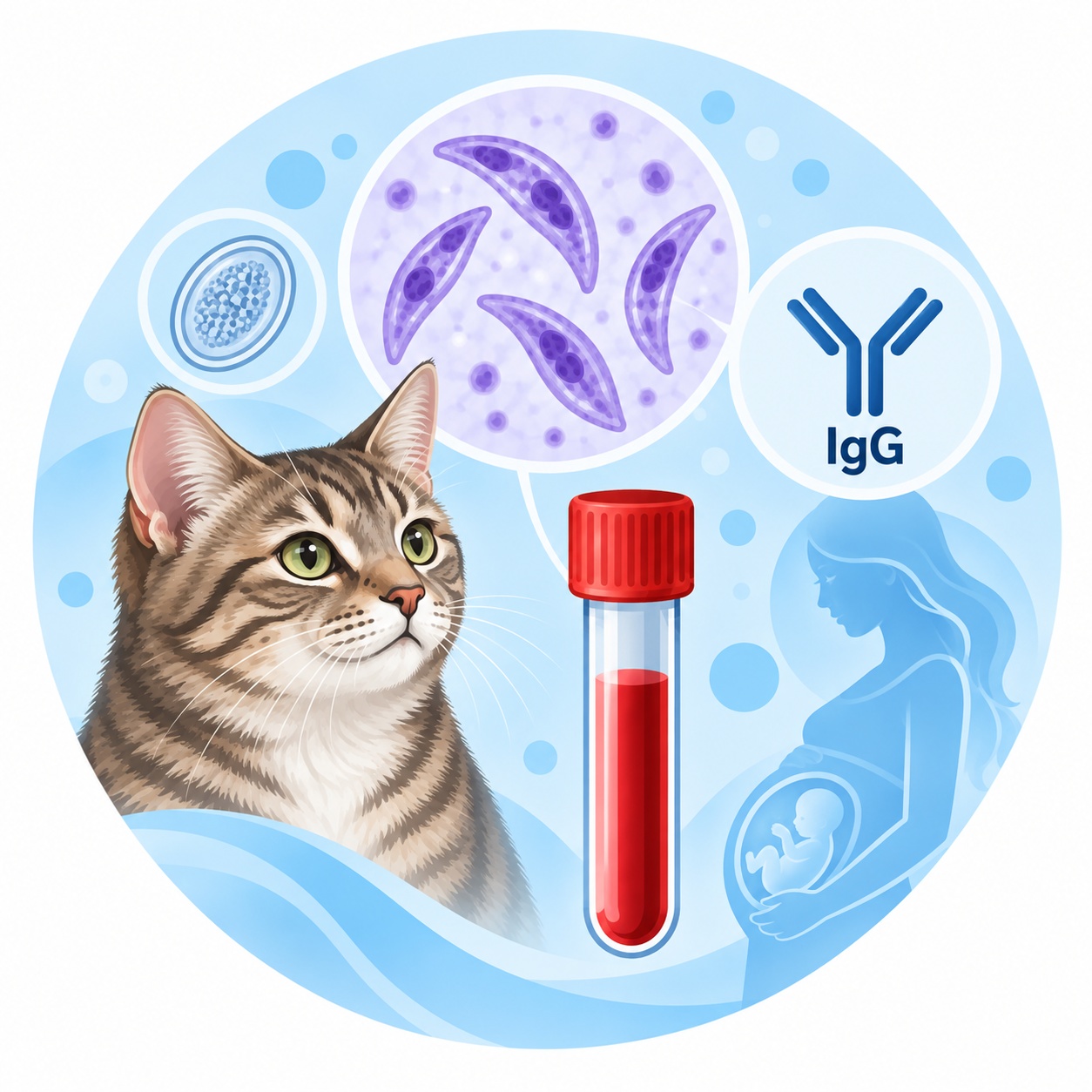
Toxoplasmosis is one of the most common parasitic infections in the world, caused by Toxoplasma gondii. This single-celled parasite can affect various organs and systems of the human body, especially in temporarily immunocompromised individuals, such as those with HIV/AIDS and pregnant women. One of the key aspects of diagnosing toxoplasmosis is determining the levels of antibodies, particularly IgG, in the patient’s blood. Let’s take a closer look at this issue.
Toxoplasmosis and Toxoplasma gondii:
Toxoplasma gondii is a simple microorganism that is known for its ability to form cysts in various organs and tissues, including the brain, muscles, and eyes. People can become infected with Toxoplasma gondii by ingesting contaminated water or food, or by contact with contaminated soil or cats, which are the main carriers of the parasite. Most infections in humans are asymptomatic or flu-like. However, in people with weakened immune systems or pregnant women, infection can have serious consequences.
The role of IgG in diagnosis:
IgG is immunoglobulin G, a class of antibodies produced by the body in response to infectious agents, including Toxoplasma gondii. Measuring IgG antibody levels in the blood can be an important part of diagnosing toxoplasmosis. IgG levels usually increase after infection or vaccination with Toxoplasma gondii, indicating an immune response to the parasite.
Toxoplasmosis infection panel:
Infection panel for toxoplasmosis is a complex of diagnostic and laboratory tests used to detect and evaluate Toxoplasma gondii infection in a patient. This panel may include various aspects:
- Determination of IgG antibody levels: As mentioned, this test detects the presence of antibodies against Toxoplasma gondii in the blood. High levels of IgG may indicate previous infection or immunity to it.
- Determination of IgM antibody levels: IgM is another class of antibodies that can indicate an active infection. High levels of IgM can be an indicator of a recent infection.
- PCR research: Polymerase chain reaction (PCR) is used to detect the genetic material of Toxoplasma gondii in blood or other body fluids. This test can be useful in determining whether an infection is active.
- Serological tests: Along with IgG and IgM detection, there are other serological tests that can help identify Toxoplasma gondii antibodies and antigens.
It is important to note that interpretation of test results should be performed by a qualified physician, as they can be complex and depend on the individual characteristics of the patient. Diagnosis of toxoplasmosis and determination of IgG levels is an important step in the timely detection and treatment of this infection, especially in vulnerable populations.
| Execution time | 1 day |
|---|---|
| Type of biomaterial | Venous blood |
Useful tests