
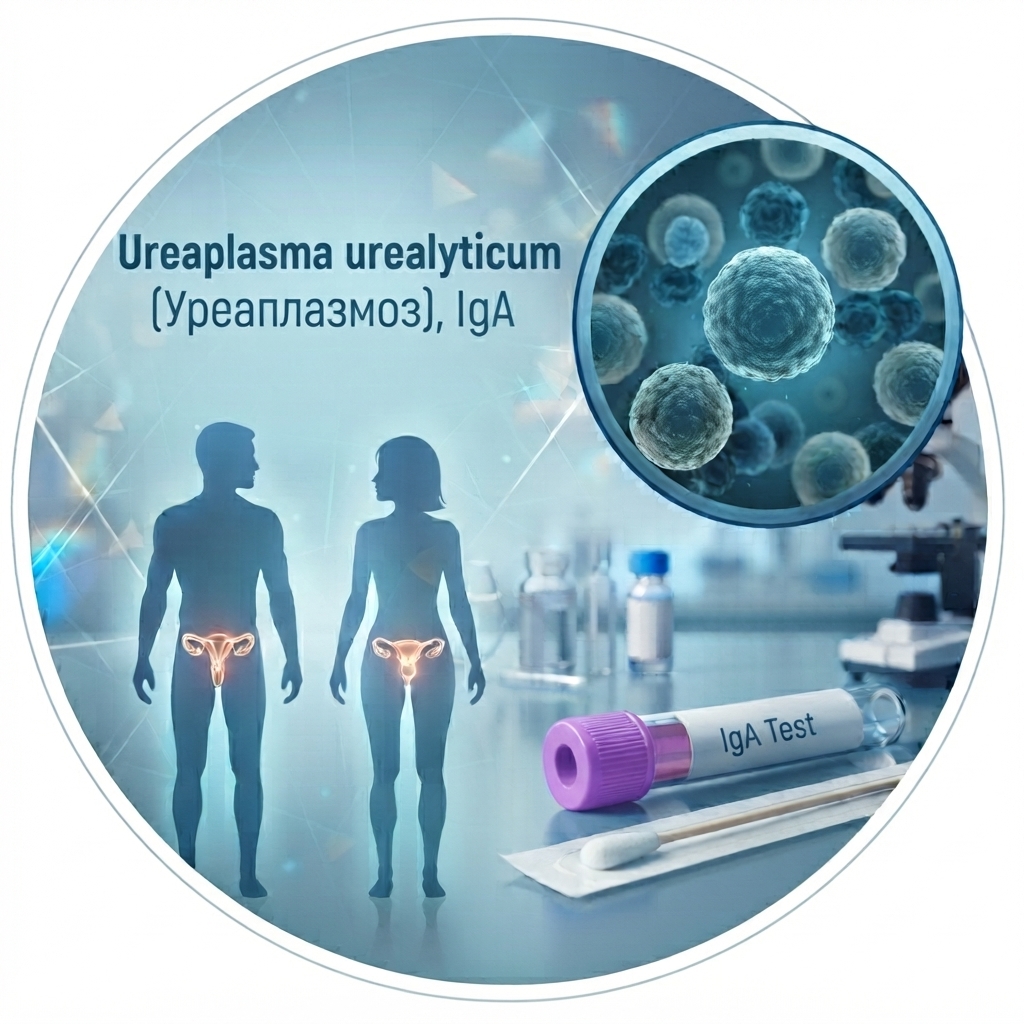


Ureaplasma urealyticum (Ureaplasmosis), IgA
380 UAH
Infection panel/Diagnosis of ureaplasmosis
Description
Ureaplasmosis and the role of IgA in the infectious panel for diagnosis
Ureaplasmosis is one of the most common sexually transmitted infections caused by the bacterium Ureaplasma urealyticum. This microorganism can cause various diseases of the genitourinary system in both men and women. For accurate diagnosis and control of this infection, it is important to use immunological methods, including determination of the level of immunoglobulin A (IgA) in the infectious panel.
IgA is one of the main classes of immunoglobulins produced by the body in response to infections. In the case of ureaplasmosis, the immunity that develops includes the synthesis of IgA directed against Ureaplasma urealyticum antigens. Determination of IgA levels can be useful for the diagnosis and monitoring of this infection.
The infection panel for diagnosing ureaplasmosis includes a number of studies that allow to detect the presence and extent of infection in the body. The main methods include:
- Polymerase chain reaction (PCR): This method allows the detection of Ureaplasma urealyticum DNA in urine samples or other biological materials. PCR is a very sensitive method and can detect infection in the early stages.
- Cultural diagnostics: This method involves plating bacteria on special media for growth and identification. It may be less sensitive than PCR and takes longer to produce results.
- Immunodiagnostics: This approach involves measuring levels of antibodies, such as IgA, directed against Ureaplasma urealyticum. Elevated IgA levels may indicate active infection or recurrence.
- Clinical signs and history: The doctor should also consider the patient's clinical symptoms and medical history. This may indicate the presence of an infection and help make a diagnosis.
Diagnosis of ureaplasmosis is important because untreated infection can lead to serious complications such as inflammation of the bladder, prostate gland in men, infectious arthritis and even problems with the reproductive system. Treatment of ureaplasmosis involves the prescription of antibiotics such as tetracyclines or macrolides, after which the patient is regularly monitored to check the effectiveness of the treatment.
In general, the diagnosis of ureaplasmosis is an important aspect in ensuring the health of the genitourinary system and preventing further complications. Determination of the level of IgA in the infectious panel is one of the tools that can help in the early diagnosis and control of this infection. If ureaplasmosis is suspected, it is important to consult a doctor for examination and consultation regarding further treatment.
Additional information
| Type of biomaterial | Venous blood |
|---|---|
| Execution time | 1 day |
Related products








-20%