
Analyses in Medilab Plus: biosensors as a new level of laboratory diagnostics

Analyses at Medilab Plus are increasingly associated not only with classical laboratory methods, but also with the introduction of modern technologies. One of such technologies is biosensors - tools that change the approach to the speed, accuracy and informativeness of laboratory tests. For the patient, this means faster results, for the doctor - a more reliable basis for clinical decisions.
Biosensor diagnostics does not replace the laboratory, but expands its capabilities, allowing the detection of biochemical changes at early stages, often before the appearance of clinical symptoms.
How biosensors work in laboratory diagnostics
A biosensor is an analytical system that combines a biological recognition element and a physical signal transducer. In simple terms, a biosensor «recognizes» a specific substance in a biomaterial and converts this interaction into a measurable signal.
In laboratory practice, biosensors are used to determine:
glucose level
hormones
enzymes
inflammatory markers
infectious agents
According to estimates World Health Organization, biosensor technologies are one of the key areas of development for affordable and accurate diagnostics.
Why biosensors are important for laboratory analyses
Classical analysis methods remain the «gold standard», but they often require more time, complex sample preparation and multi-step processing. Biosensors allow us to shorten this path.
Analytical advantages of biosensors:
high sensitivity to minimum concentrations
fast results
possibility of process automation
reduction of the human factor
stable measurement reproducibility
It is these characteristics that make biosensor solutions relevant for modern laboratories.
What analyses can be performed using biosensors?
Biosensor technologies are not limited to one type of research. They are used in various areas of laboratory medicine.
| Direction | What is determined | Clinical significance |
|---|---|---|
| Biochemistry | Glucose, enzymes | Metabolic control |
| Endocrinology | Hormones | Early diagnosis |
| Infectious diagnostics | Antigens, antibodies | Rapid detection |
| Inflammation | CRP and other markers | Risk assessment |
| Therapy monitoring | Concentrations of substances | Treatment control |
For the patient, this means faster testing without loss of accuracy.
Biosensors and accuracy of results: what is important for the patient to know
A common myth is that rapid methods are less accurate. In fact, biosensor systems undergo multi-level validation and calibration, and their results correlate with classical laboratory methods.
Specialists Mayo Clinic note that modern biosensors, when used correctly, provide clinically significant accuracy and stability of measurements.
Where biosensor analyses have the greatest practical benefit
Biosensors are of greatest value in situations where speed of decision-making or regular monitoring of indicators is important.
Typical scenarios:
monitoring of chronic diseases
glucose or hormone level control
assessment of acute conditions
preliminary screening before advanced tests
dynamic monitoring during treatment
It is in such cases that analyses at Medilab Plus using biosensors save time without compromising on quality.
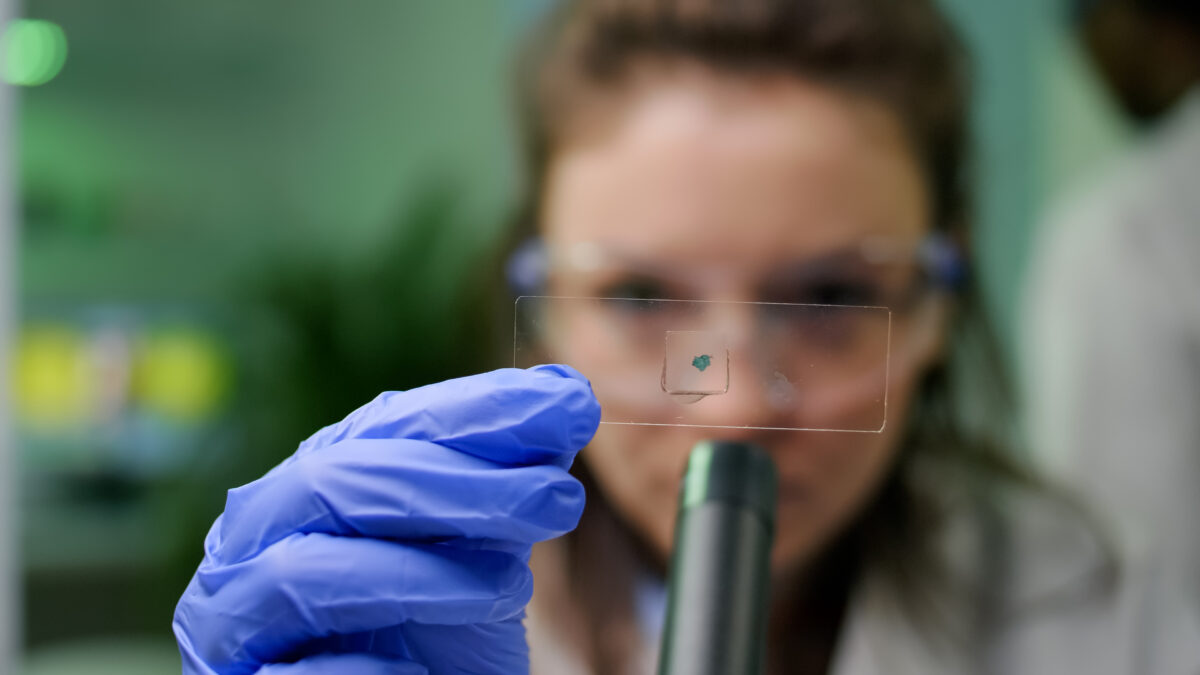
Safety and standardization of biosensor diagnostics
Any technology used in medicine must meet international quality and safety standards. Biosensor systems are tested for accuracy, stability, and reproducibility.
According to the requirements FDA, biosensor diagnostic systems are allowed for clinical use only after confirmation of their analytical and clinical reliability.
How biosensors complement classical analyses
It is important to understand that biosensors are not opposed to traditional laboratory methods. They are part of a single diagnostic ecosystem.
Biosensor diagnostics:
speeds up the initial assessment
helps in screening
optimizes patient routing
reduces the need for repeated fences
Final clinical decisions are always made based on a comprehensive assessment of the results.
Analyses in Medilab Plus as an example of a technological approach
The use of biosensors in laboratory In practice, this indicates a shift from formulaic analyses to more flexible and accurate diagnostics. For the patient, this means less waiting, more clarity and confidence in the results.
Analyses at Medilab Plus using biosensor technologies is not about the future, but about the modern standard, where speed, accuracy, and safety work together for quality medical care.

Director of Medi Lab Plus LLC, a doctor of the highest category. Has over 45 years of practical experience in medicine and laboratory diagnostics. Founder and head of the laboratory since 2007. More details…

