
Analyses at Medilab Plus: modern diagnostics for health and safety

What is Medilab Plus?
Medilab Plus is one of the leading medical laboratories, providing a wide range of laboratory diagnostic services. Thanks to modern equipment, certified methods and a team of experienced specialists, the laboratory ensures high accuracy and speed of analysis.
Main advantages of the laboratory
- Using modern equipment
- High accuracy of results
- A wide range of research
- Speed of getting results
- Convenient format for receiving answers
What tests can be taken at Medilab Plus?
The laboratory offers over 500 types of tests, covering all major areas of diagnostics.
Main categories of analyses
General clinical studies
- Complete blood count
- General urine analysis
- Stool analysis
- Research on biological fluids
Biochemical analyses
- Glucose level testing
- Liver function assessment (ALT, AST, bilirubin)
- Lipid profile analysis
- Kidney function assessment (creatinine, urea)
Hormonal studies
- Thyroid hormone tests (TSH, T3, T4)
- Reproductive system hormones (estrogen, testosterone, progesterone)
- Cortisol and insulin level testing
Immunological tests
- Determination of antibodies to infectious agents
- Immunoglobulin analysis
- Tests for autoimmune diseases
Genetic tests
- Research on hereditary diseases
- Genetic predisposition to cancer
- Gene mutation tests
Tumor markers
- Breast cancer screening (CA 15-3)
- Cancer analysis ovarian (CA 125)
- Prostate-specific antigen (PSA)
Allergy tests
- Determination of allergens in the blood
- Food intolerance tests
- Respiratory allergen tests
Infectious disease tests
- PCR tests for viruses and bacteria
- Detection of antibodies to hepatitis viruses and HIV
- COVID-19 tests

How to properly prepare for tests
To ensure that the test results are as accurate as possible, it is necessary to follow the basic preparation rules.
Key recommendations
- Most tests must be taken on an empty stomach.
- You should avoid fatty foods and alcohol the day before.
- Physical and emotional stress can affect results.
- It is advisable to discuss taking medication with your doctor before taking the test.
Table of rules for preparing for tests
| Analysis type | Preparation | Execution time |
|---|---|---|
| Complete blood count | Fasting, not eating for 12 hours | 1 day |
| Biochemical blood test | Avoid fatty foods and alcohol during the day | 1 day |
| Hormonal studies | Consider the day of the cycle (for women) | 1-3 days |
| General urine analysis | Morning urine sample, sterile container | 1 day |
| Stool analysis | Follow a diet, eliminate medications | 1-3 days |
| Tumor markers | Fasting, reduce stress | 1-3 days |
| Allergy tests | Avoid antihistamines | 3-7 days |
How to sign up for tests
Signing up for tests is possible in several convenient ways:
- Online registration via the official website
- Call to the laboratory
- Personal visit to the testing point
Popular questions
Can I get tested without a doctor's referral?
Yes, most tests can be taken without a referral.
Can I donate blood after eating?
Some tests can be taken after eating, but most are recommended to be taken on an empty stomach.
Can I get results online?
Yes, the results are sent by email or available through your personal account on the website.
Why it is important to have regular health checks
Preventive tests allow for early detection of abnormalities and prevention of serious diseases. This is especially important for people with chronic diseases, children, pregnant women, and people with an active lifestyle.
Medilab Plus provides accuracy, comfort and speed of service, which makes the laboratory a reliable partner in the field of diagnostics. Each patient can count on an individual approach and professional service. Medilab Plus also offers “stress-free analyses in Letychev”, which provides comfortable conditions for conducting research. Thanks to the latest technologies, results can be obtained quickly and without errors.
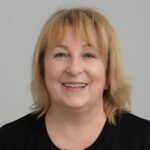
Director of Medi Lab Plus LLC, a doctor of the highest category. Has over 45 years of practical experience in medicine and laboratory diagnostics. Founder and head of the laboratory since 2007. More details…

