
Eating before tests: when it really matters

The most common mistake before laboratory tests is to think that you need to come hungry for any analysis. In fact, this is not so. For some tests, eating before the tests is almost irrelevant, while for others it can significantly change the result. That is why you should not focus on the general rule “always on an empty stomach”, but on the instructions for a specific study. MedlinePlus explains that preparation for laboratory tests varies depending on the type of analysis, and the NHS also emphasizes that the need for preparation is usually informed by a doctor, nurse or laboratory.
When a test requires fasting, it usually means not eating or drinking anything except water for a period of time before the blood is drawn. MedlinePlus defines fasting as abstaining from food and all beverages except water for several hours or overnight because nutrients from food can temporarily alter blood tests.
What you can and can't do before an analysis on an empty stomach
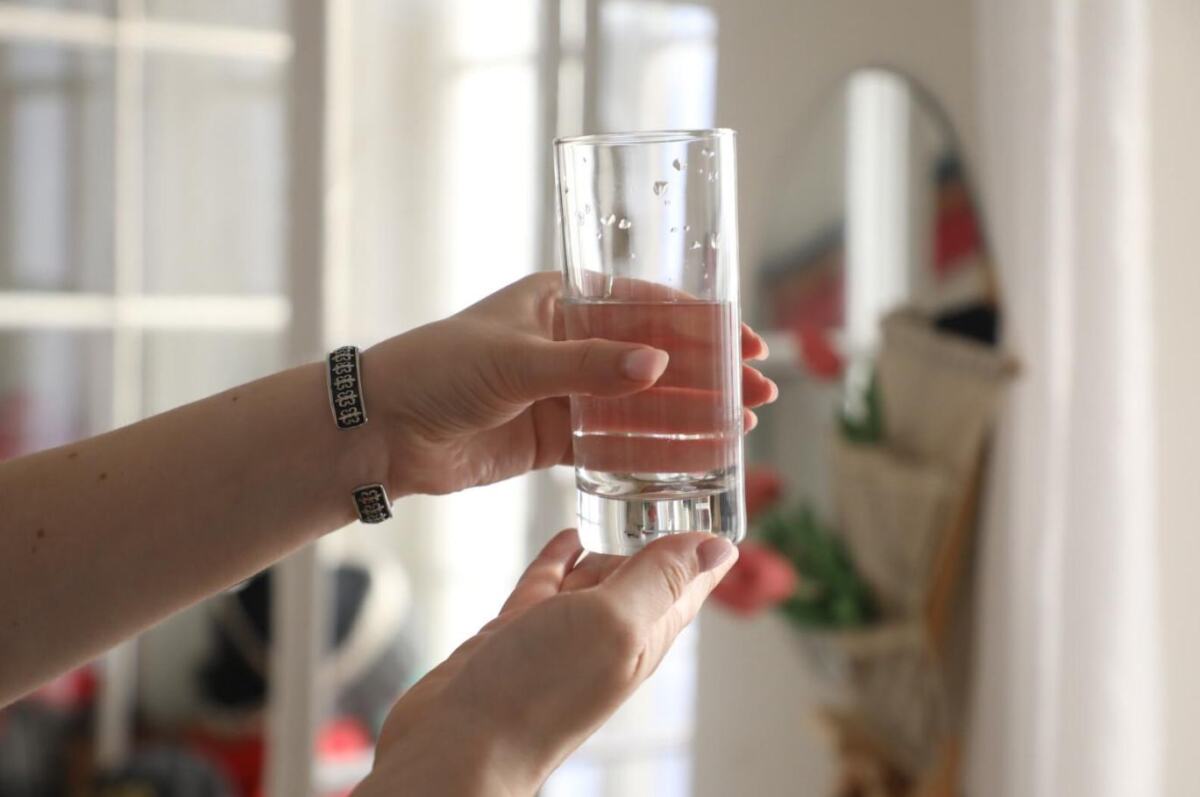
If you have been told to come to the appointment on an empty stomach, you can usually drink water. However, tea, coffee, sugary drinks, chewing gum and food are all considered to be breaking the fast. NHS patient materials and MedlinePlus agree that water is the only drink allowed during the fast, not any other drinks.
Another important detail is that you should not stop taking any medications or supplements on your own. If a medication may affect the test, it should be reported separately. MedlinePlus specifically advises reporting all medications, vitamins, and supplements, but not stopping them without your doctor's advice.
What tests are often taken on an empty stomach?
There are several common tests for which eating before the test is especially important. These include:
- Fasting glucose — for this test you need to not eat or drink anything except water, for at least 8 hours.
- Lipid profile, cholesterol, triglycerides — MedlinePlus indicates that these tests may require 9–12 hours fasting, although the NHS notes that not all people need to fast before a cholesterol test.
- Ferritin and part of the iron-containing tests — the doctor or laboratory may ask you to fast for about 12 hours.
- Vitamin B12 — it is often recommended not to eat or drink for approximately 6–8 hours to analysis.
- Homocysteine — this test may also require 8–12 hours starvation.
What tests usually do not require fasting?
Not all studies depend on whether you have eaten breakfast. For example, for vitamin D Special training is usually not required, although the specific laboratory may have its own rules. For complete blood count Separate preparation is usually not required either, unless other tests that require fasting are scheduled at the same time. HbA1c It also does not assess the state “at this moment after eating”, but shows the average glucose level over the last 2–3 months, so this test is not tied to morning fasting in the same way as fasting glucose.
Why you shouldn't guess on your own
Even tests with similar names can have different preparation rules. For example, some vitamin tests can be taken without special preparation, while others require special preparation. on an empty stomach. The same goes for test panels: If you have a CBC and a fasting blood test in the same order, the lab may ask you to come in on an empty stomach because of the latter. MedlinePlus specifically notes that the accuracy of the result depends on both what you ate and drank and how closely you followed the pre-test instructions.
A simple reminder before a visit to the lab
The most convenient way to do this is: the day before the test, clarify whether you need to be fasting for your study; if necessary, drink only water; do not drink coffee, tea, or sugary drinks; do not cancel medications without consent; tell about the supplements and vitamins you are taking. If the test is done on an empty stomach, it is often convenient to take it in the morning - MedlinePlus directly recommends this approach, because most of the time without food falls on sleep.
FAQ: Short answers to frequently asked questions
Can I eat before a blood test?
It depends on the specific study. Some tests do require fasting, while for others, food intake is not critical.
What does “fasting” mean?
This usually means that You cannot eat before the test. for several hours, and only water is allowed as drinks.
Can I drink water before tests?
Yes, in most cases, you can drink water, even if the test needs to be taken on an empty stomach.
Can I drink coffee or tea before the test?
No, if the test is taken on an empty stomach. Coffee, tea, sugary drinks, and juice can affect the result.
Do all tests need to be taken in the morning?
Not all. But it is often convenient to take fasting tests in the morning, so that it is easier to endure the period without food.
What should I do if I accidentally ate before the test?
It is best to notify the laboratory or doctor about this. In some cases, the test may need to be rescheduled for the result to be accurate.
Can I take medication before tests?
You should not stop taking medication on your own. If the drug may affect the result, this is usually clarified separately.
Why is eating before tests so important?
Because food can temporarily change some blood tests, which can make the result inaccurate or require retesting.
Proper preparation may seem like a small thing, but it often determines whether the result will be truly useful to the doctor. Therefore, when it comes to eating before tests, the best rule is very simple: do not follow other people's advice at random, but check the instructions for a specific test.

Director of Medi Lab Plus LLC, a doctor of the highest category. Has over 45 years of practical experience in medicine and laboratory diagnostics. Founder and head of the laboratory since 2007. More details…