
Pancreatic elastase
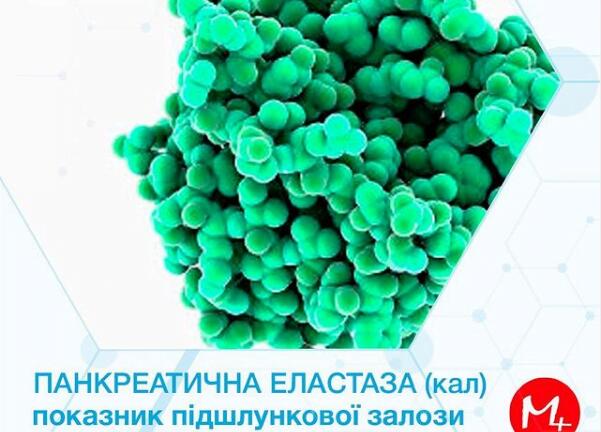
🧩 Pancreatic elastase (PE) is a diagnostic marker for exocrine pancreatic insufficiency.
🔋 Pancreatic elastase is present in the body of every person from birth. The study of PE in feces is an informative, highly sensitive, highly specific non-invasive method of assessing the state of the pancreas, which does not require interruption of enzyme replacement therapy. This study is part of the "gold standard" for diagnosing pancreatic pathology.
♻️ P.e.— an enzyme, a product of the pancreas; in the form of inactive proelastase, it is secreted as part of the pancreatic secretion into the intestine, where it becomes active under the influence of trypsin and begins to break down proteins. This specific enzyme does not break down during digestion; it can only be detected in feces! It is not part of tissues or internal organs.
✅ This analysis is intended to differentiate one or another pathology of the gastrointestinal tract (GI). By the level of P.e. it is possible to determine:
– the condition of the pancreas, its functionality and the level of deformation in the body.
– if chronic insufficiency of exocrine pancreatic function is suspected or after surgical removal of part of the pancreas.
– in chronic pancreatitis.
– with Crohn's disease.
– with diabetes.
– for tumors and injuries of the pancreas.
– with gallstone disease.
– if cystic fibrosis is suspected.
– for differential diagnosis of malabsorption syndrome in childhood.
🔬 The results of the study may be affected by the preparation and storage period of feces. To obtain reliable results, you must:
– do not use rectal suspensions;
– do not do enemas;
– do not take medications that affect intestinal peristalsis the day before;
– exclude fatty, fried, and smoked foods from the diet.
Stool, which is the first after diagnostic manipulations with barium contrast, is not accepted.
The material should be collected in the morning in a sterile container, directly on the day of the study. In the diagnostic laboratory Medi Lab +, feces are accepted for examination from Mon-Thu from 7:00 to 15:00. The turnaround time is 2 days due to the requirements of the diagnostic system during the study.

Head of the clinical diagnostic laboratory of Medi Lab Plus LLC, Master of Biochemistry with over 15 years of management experience. Monitors compliance of research with international EUCAST protocols and ISO 15189 standard. Acts as a medical editor of the site materials. More details…

