


Posts by Medilab An
CRISPR diagnostics: a revolution in the accuracy and speed of disease detection

Until recently, CRISPR was associated exclusively with genome editing. However, today this tool is used not only to change DNA, but also for extremely accurate, fast and affordable diagnostics of diseases. CRISPR diagnostics is a new stage in the development of molecular medicine, which promises to significantly change the approach to detecting viruses, bacterial infections, cancer mutations and even genetic diseases. «CRISPR is like the Swiss army knife of molecular biology. It not only edits, but can also instantly detect changes in the DNA or RNA of pathogens,» says molecular biologist Richard Dylan from the UCL Genetics Institute. What is CRISPR diagnostics The CRISPR/Cas system is a bacterial «immunity» that scientists have adapted to work with genetic material. In diagnostics, CRISPR is used not to change DNA, but to recognize it. Thanks to the Cas12 or Cas13 proteins, which are activated when a target sequence is detected, you can «see» the presence of a pathogen or mutation. Basic principles: determining a specific DNA sequence...

Molecular allergy diagnostics: a new level of accuracy in allergen detection
Allergy is a complex and multifactorial disease that can manifest itself in the form of skin rashes, edema, runny nose, cough, shortness of breath or even anaphylaxis. Classical diagnostic methods - skin tests and determination of total IgE - do not always allow us to accurately determine the cause of an allergic reaction. That is why modern allergology increasingly uses molecular allergy diagnostics - a highly accurate method that allows us to detect the body's reaction to specific protein components of allergens. What is molecular allergy diagnostics Molecular allergy diagnostics (component-resolved diagnostics, CRD) is a method of laboratory analysis that allows us to determine sensitivity to individual allergen molecules, and not only to their mixtures. For example, instead of simply determining the presence of an allergy to birch pollen, you can find out which protein (Bet v 1, Bet v 2, etc.) the immune system reacts to. This approach allows you to: avoid false positive or cross-reaction results assess the severity of a potential reaction more accurately select allergen-specific immunotherapy (ASIT) determine the risk...

Magnesium Analysis: The Key to Understanding the Body's Internal Stability
Magnesium is one of the most important trace elements, present in almost every cell of our body. Its level determines how effectively the muscles, heart, nervous system work, how well other minerals, in particular calcium and potassium, are absorbed. That is why a magnesium test often becomes an important stage in the diagnosis of chronic fatigue, heart disorders, seizures or emotional instability. This test is not just a number on a form. It is an indicator of metabolic balance, on the basis of which the doctor can draw conclusions about hidden problems or check the effectiveness of treatment. What does a magnesium test examine? The test determines the concentration of magnesium in a biological sample - usually in blood serum, less often - in urine or erythrocytes. The serum level is most often used, although it reflects only 1% of total magnesium in the body. Values in the range of 0.65–1.05 mmol/l are considered reference. But these limits are not always informative enough: you can have symptoms of deficiency even at "normal" levels, especially if magnesium...

Tumor marker levels: what you need to know to monitor your health
When we talk about oncology, most of us imagine complex diagnostics, long-term treatment and unpredictable consequences. But modern medicine has tools that allow us to "see" potential danger even before symptoms appear. One of them is an analysis for tumor markers. This study does not give a direct answer "is there cancer or not", but it can warn about risks in time, suggest the direction of examination and become a reference point in postoperative monitoring. People are often afraid of the term "tumor marker", not understanding that an increase in these indicators can have many reasons. That is why it is important to understand: what the level of tumor markers means, when it is worth taking the analysis and how to correctly interpret the results. What are tumor markers Tumor markers are specific substances (mainly proteins or enzymes) that are formed in the body under conditions of active growth of tumor cells or under the influence of a tumor on surrounding tissues. They can be present in blood, urine, cerebrospinal fluid or other biological environments. Tumor markers are not...
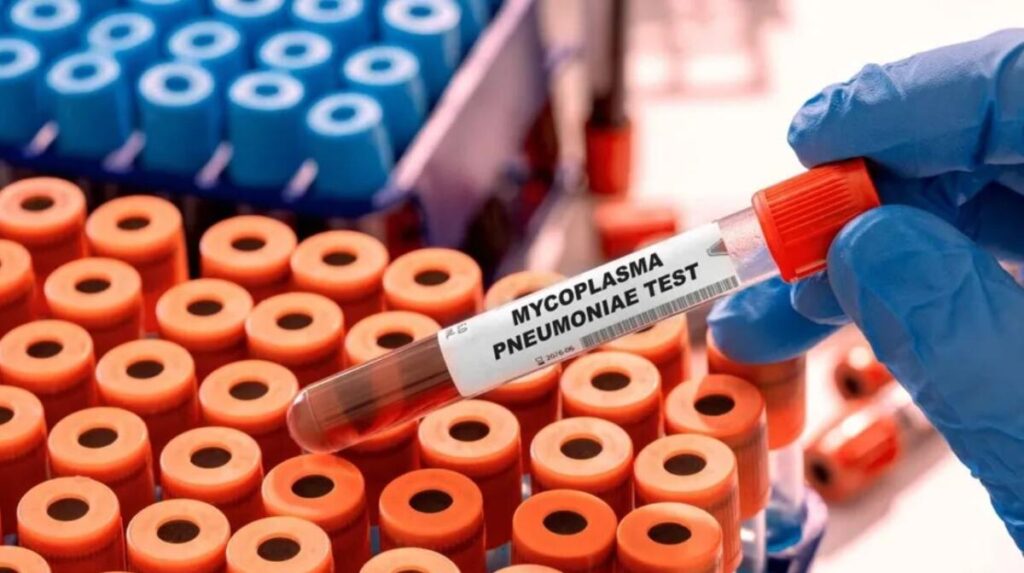
Mycoplasma test: how to detect a hidden infection that is harmful to health
Why you should know more about mycoplasma Pain, burning during urination, discharge, inflammation that does not go away after treatment - are these familiar symptoms? They are often associated with infections that are not talked about out loud. Mycoplasma is one of these "silent" bacteria. It does not always give vivid symptoms, but can cause serious problems if left unattended. The mycoplasma test is a simple analysis that allows you to detect one of the most common sexually transmitted infections, which other methods often cannot find. What is mycoplasma and how does it manifest itself Mycoplasma is a special type of bacteria that can affect the respiratory tract or reproductive system. The most significant are: Mycoplasma pneumoniae - causes inflammation of the lungs Mycoplasma genitalium - a sexual infection transmitted during contact Mycoplasma hominis - occurs with inflammation in women Symptoms in women: discomfort in the lower abdomen abundant or unusual vaginal discharge burning during urination ...

The impact of the microbiome on health: a new look at fundamental processes in the body
The role of the microbiome in modern medicine The microbiome is not just a set of bacteria. It is an ecosystem that interacts with the body's cells, modulates the immune response, affects metabolism, regulates the psycho-emotional state and even participates in protection against cancer. The concept of a "healthy microbiome" is today considered one of the key conditions for overall health, and its imbalance is a risk factor for the development of a number of chronic diseases. In 2022, the international consortium Human Microbiome Project completed one of the largest analyses of the human microbial composition, identifying about 1,000 species of bacteria associated with stable physiology. How the microbiome affects the body Regulation of the immune system The microbiome contributes to the "training" of immunity: intestinal bacteria activate T-cells, promote the development of tolerance to harmless antigens and suppress autoimmune reactions. It is the disruption of this interaction that is associated with the development of allergies, asthma, and autoimmune diseases (e.g., type 1 diabetes, multiple sclerosis). Participation in metabolism Intestinal bacteria ferment dietary fiber to form short-chain fatty acids...
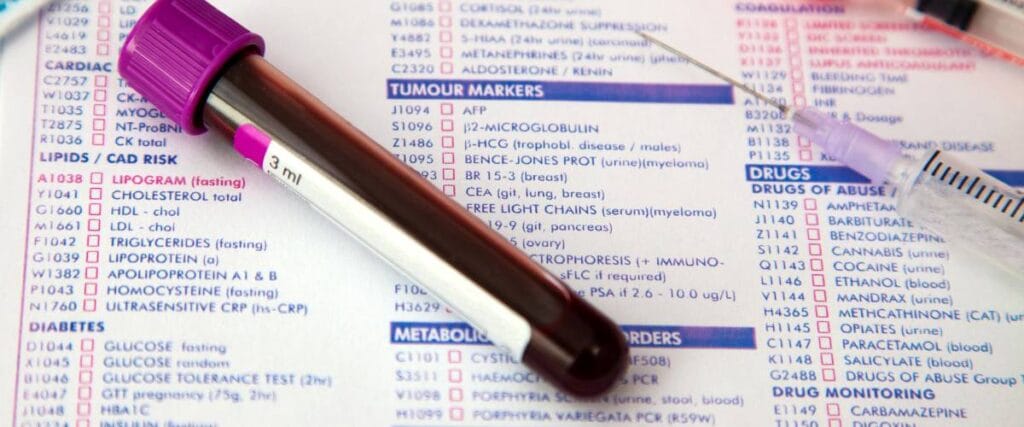
What affects test results: 7 factors that change the picture of health
Why test results can be inaccurate Have you ever had a blood or urine test, and then retaken and received a completely different result? In most cases, it is not a laboratory error, but the influence of external and internal factors that change the indicators. Even a cup of coffee or stress before the procedure can distort the data. Understanding what exactly affects the test results helps to obtain accurate information about the body's condition and avoid unnecessary diagnoses or incorrect treatment. The main factors that change the results of laboratory tests Food and drinks before tests Even a light breakfast before donating blood can increase the level of glucose, cholesterol, iron. Coffee, juices and sweet tea activate metabolism and affect liver enzymes. Therefore, most tests should be taken on an empty stomach - no less than 8-12 hours after eating. Physical activity the day before Intense training or even climbing stairs before the test can increase the level of creatine phosphokinase (CPK), lactate,...
New tumor markers: modern biomarkers for early cancer diagnosis
What are tumor markers and why are they needed? Tumor markers are specific substances (proteins, enzymes, genes, DNA fragments) that can appear in the blood, urine or other biological fluids in response to tumor growth. Some of them are produced by tumor cells themselves, others are produced as the body's response to the presence of a neoplasm. Traditionally, the most famous are markers such as PSA (prostate cancer), CA-125 (ovarian cancer), CEA (colorectal cancer). However, in recent years, new generations of tumor markers have appeared in science, which are more sensitive, specific and allow diagnosing cancer at early stages. What is the difference between new tumor markers? Unlike classic ones, new tumor markers are often molecular in nature - they are gene fragments, microRNAs, mutations or protein complexes that more accurately indicate the type of tumor, stage of the disease and even the prognosis for treatment. They allow: to detect cancer before symptoms appear to distinguish between malignant and benign tumors to assess the risk of recurrence to individualize therapy (personalized oncology) Examples of new tumor markers Name...

Medical tests: why are they needed and which ones are the most important
Why are medical tests needed? Medical tests are one of the easiest ways to look inside the body without complicated procedures. They help identify problems that do not yet have symptoms, assess the effectiveness of treatment, or confirm the diagnosis. The results of the tests are often the starting point for the doctor's further decisions. It's like a map for a driver - without it, it's difficult to move in the right direction. What are the tests? The tests are conditionally divided into several main groups: General clinical - a general analysis of blood, urine, feces. They give a basic picture of the state of the body. Biochemical - assess the function of the liver, kidneys, metabolism, glucose, cholesterol levels. Hormonal - help detect endocrine system disorders (thyroid gland, sex hormones, etc.). Infectious - PCR, ELISA, rapid tests for viruses, bacteria, parasites. Immunological and allergological - show how the immune system works, whether there are allergies. Tumor markers - special proteins or substances that can be a signal of an oncological process. When...

Mutation analysis: understanding your own genetic code
When genes can tell everything about health Vera Ivanovna, 42, went to the doctor after two of her maternal aunts got breast cancer. She feels well, leads a healthy lifestyle, but the thought of heredity kept bothering her. Her gynecologist advised her to take a test for genetic mutations. Two weeks later, the test confirmed the presence of the BRCA1 mutation - and this changed the course of events. Thanks to this, she was able to undergo preventive treatment and take control of her future. "Genetic analysis is an opportunity to look into your biological future. And the earlier it is done, the more chances there are to prevent the disease," explains clinical geneticist Iryna Sobol. Today, mutation analysis is not exotic. It is a tool of modern preventive medicine, available to everyone. What are mutations and why do they affect health Mutations are changes in the structure of DNA that can affect the synthesis of proteins,...
