


Posts by Medilab An

The biochemistry of stress: how the body responds to anxiety at the molecular level

What is the biochemistry of stress? The biochemistry of stress is a branch of neurobiology and physiology that studies how the body's chemicals change in response to psycho-emotional or physical stress. Stress is not only a subjective feeling of anxiety, but also a well-regulated reaction of the neuroendocrine system that affects all organs and systems. How stress works: a staged reaction Activation of the hypothalamic-pituitary-adrenal axis (HPA axis) When a person feels threatened (physical or psychological), the hypothalamus activates the production of corticotropin-releasing hormone (CRH), which stimulates the pituitary gland. The pituitary gland, in turn, produces adrenocorticotropic hormone (ACTH), which acts on the adrenal glands. Cortisol and adrenaline releaseThe adrenal glands begin to massively produce cortisol (glucocorticoid) and adrenaline.Cortisol: increases glucose levels, reduces immune response, affects mood and memory.Adrenaline: speeds up the heartbeat, constricts blood vessels, prepares the body for the "fight or flight" reaction. Neurotransmitter changesThe level of dopamine, serotonin, norepinephrine changes in the brain, which affects mood, attention, motivation. In long-term stress, there is an imbalance...

Food allergy: symptoms, diagnosis and condition control
What is a food allergy? A food allergy is a reaction of the immune system to certain food components that it mistakenly recognizes as dangerous. Unlike food intolerance, which is associated with digestion, an allergy is immunological in nature and can cause acute, even life-threatening symptoms. The immune system produces IgE antibodies, which, upon repeated contact with the allergen, cause the release of histamine - it is he who is responsible for itching, swelling, rashes and other signs of allergy. Main allergen products There are products that most often cause an allergic reaction - the so-called main food allergens: cow's milk eggs (mainly protein) fish and seafood peanuts, other nuts wheat soy fruits (apples, peaches, strawberries) vegetables (celery, carrots) Example: A child develops hives, cough and vomiting after eating an omelet. An allergy test shows a clear reaction to chicken egg protein - a food allergy to eggs has been diagnosed. Typical symptoms of food allergy Symptoms depend on the type of reaction and the amount of allergen. It...

Zinc in the body: how to recognize a deficiency and when to take a test
Have you ever felt tired even after the weekend, your skin flakes for no apparent reason, and your hair starts falling out in clumps? You may have already changed your shampoo and made an appointment with a therapist, but the real culprit is much deeper. It could be a common but critically important microelement - zinc. We are used to paying attention to iron or vitamin D, but we often forget that zinc is the engine of immunity, regeneration, hormonal balance and even mood. And if the body starts to hint - it is definitely worth checking. Why does the body need zinc? Zinc is one of the key microelements that is involved in over 300 enzymatic reactions. It affects immunity, wound healing, protein synthesis, hormonal balance, the acuity of taste and smell, as well as the condition of the skin, hair and reproductive function. The body does not accumulate zinc, so it must be regularly obtained with food or supplements. What symptoms may indicate a lack of...

PSA (prostate-specific antigen): a key test for assessing prostate health
What is PSA and why is it measured? PSA is a protein produced by cells in the prostate gland. Normally, small amounts of it circulate in the blood. Elevated PSA levels may indicate pathological changes in the prostate: inflammation (prostatitis), benign hyperplasia, or malignant formation. According to the Mayo Clinic, the PSA test is used as a screening method to detect prostate cancer in its early stages, when symptoms are not yet present. Who is recommended to take PSA for men over the age of 45 - annually, people with a strong family history (prostate cancer in relatives), patients with urination disorders after prostate cancer treatment (to control recurrence), on the recommendation of a urologist in case of suspected benign hyperplasia. Types of PSA and their diagnostic value PSA type Explanation Diagnostic role Total PSA Total amount of PSA in the blood Basic prostate marker Free PSA PSA not bound to blood proteins Clarification of the nature of the process Free/Total ratio Percentage Below 10–15% - increased cancer risk PSA norm depending on age PSA age group (ng/ml) Up to 50...
Ureaplasma analysis: what you need to know about diagnosing the infection
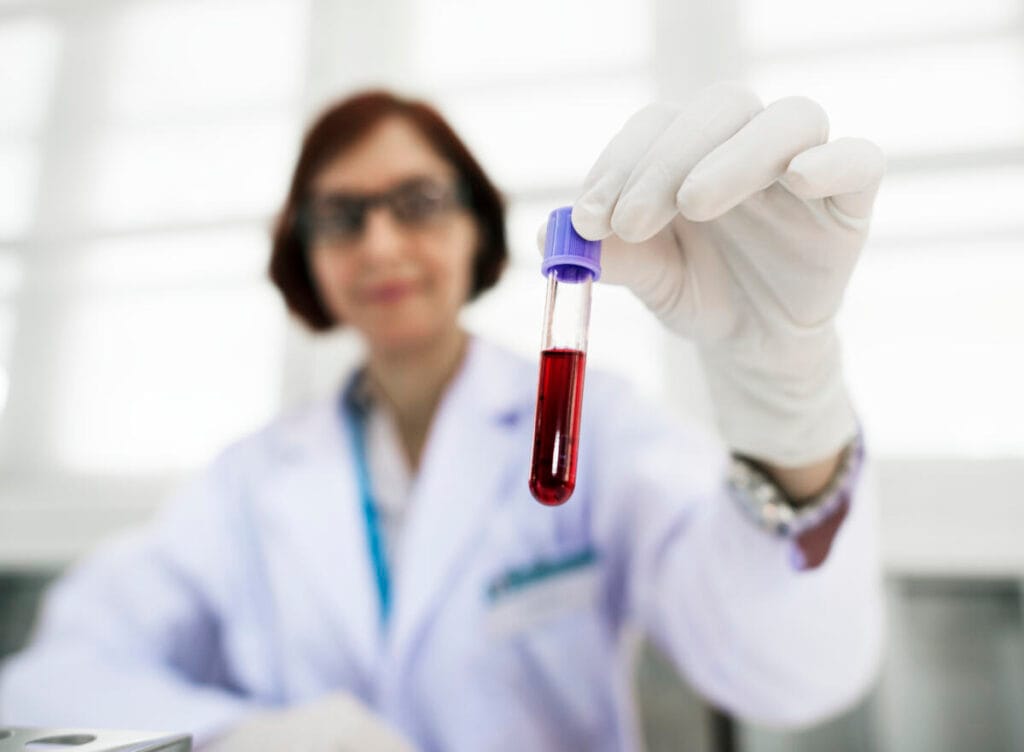
What is ureaplasma? Ureaplasma is a microorganism that belongs to opportunistic bacteria. It lives on the mucous membranes of the genitourinary system and may not cause symptoms for a long time. However, with reduced immunity or in the case of other infections, ureaplasma can provoke inflammatory diseases. The most common are two types: Ureaplasma urealyticum Ureaplasma parvum Both can be transmitted sexually or during childbirth from mother to child. When to take the test If you complain of discomfort during urination If you have frequent inflammations in the genitourinary system (cystitis, urethritis, endometritis) If you are planning a pregnancy After a miscarriage or complications during a previous pregnancy If your partner has a urogenital infection If you have unexplained infertility How to prepare for the test For women: Do not take the test during menstruation Do not use vaginal suppositories or sprays for 48 hours Do not have sex for 24 hours before the test The ideal time is 3–5 days after the end of menstruation For men: Do not urinate...
Microbiome and immunity: a key biological interaction for human health
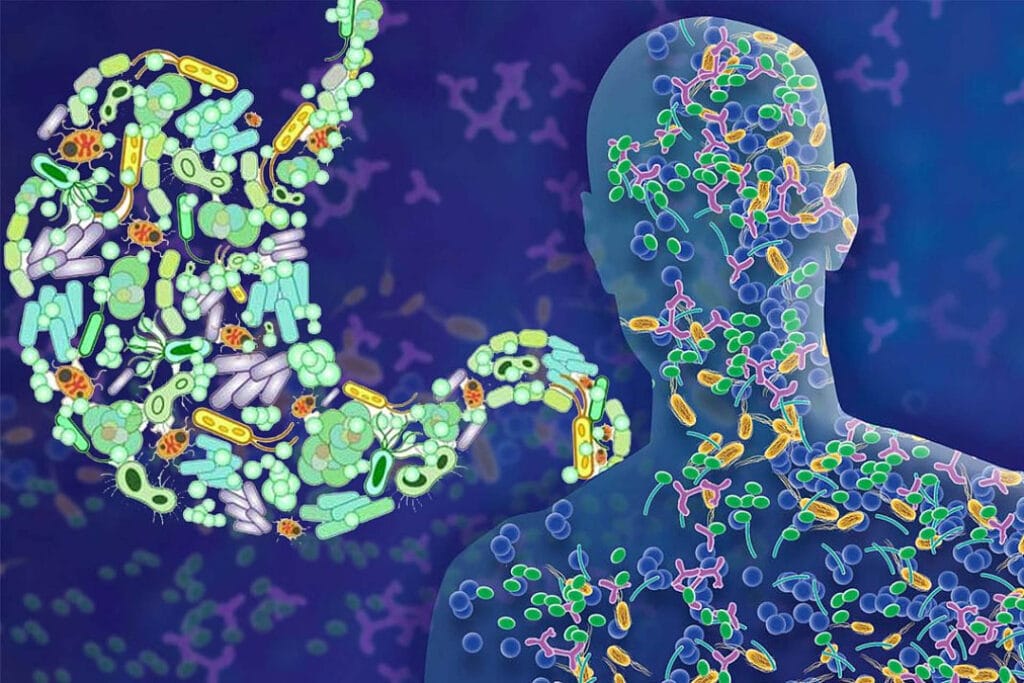
Biological Union: How the Microbiome Maintains Immune Balance The microbiome is a complex community of microorganisms that inhabit the human body, especially the intestine. Its interaction with the immune system is two-way: the immune system controls the microbiota, and the microbiota teaches the immune system. This symbiotic interaction begins at birth and continues throughout life. Modern science confirms that a full-fledged immune response is impossible without a healthy microflora. The formation of tolerance to non-aggressive agents, anti-inflammatory control, effective protection against pathogens - all this depends on the composition and activity of the microbiome. Formation of the immune system under the influence of the microbiota In newborns, the microbiota begins to form immediately after birth. The method of birth (natural birth or cesarean section), breastfeeding, contact with the environment - all this determines the early composition of the microflora. It is during this period that the initial "training" of immunity takes place: maturation of intestinal lymphoid tissue (GALT), stimulation of the production of IgA - a protective immunoglobulin of the mucous membranes, formation of T-regulatory cells responsible for immune tolerance, synthesis...

Cholesterol analysis: answers to key questions
What should you know about cholesterol before taking the test? Is there a difference between "good" and "bad" cholesterol? How many hours should you not eat before donating blood? In this format — in the form of questions and answers — we reveal the main things about the cholesterol test What is cholesterol and why is it important for the body Cholesterol is a fat-like substance that is part of cell membranes and participates in the synthesis of hormones and vitamin D. It is necessary for the body, but only if its level is within normal limits. Excess cholesterol causes the formation of atherosclerotic plaques, which can lead to a heart attack or stroke What are the types of cholesterol LDL (low-density lipoproteins) — "bad" cholesterol. Its excess is deposited on the walls of blood vessels HDL (high-density lipoproteins) — "good" cholesterol. It transports excess LDL to the liver for further utilization. Total cholesterol is the sum of all fractions. Triglycerides...

Complete blood count: preparation rules, features of the procedure and interpretation of results
What is a complete blood count (CBC) A complete blood count is a basic laboratory test that allows you to assess your overall health, identify inflammatory processes, anemia, allergies, blood clotting disorders, and other systemic diseases. CBC includes counting the number of formed blood elements, measuring hemoglobin, hematocrit, ESR, and analyzing the leukocyte formula. This is one of the most informative and accessible screening methods, which is often performed during preventive examinations, before surgical interventions, or at the first complaints of malaise. Why follow the rules before donating CBC Proper preparation for donating blood guarantees the reliability of the results. Violations of the regimen, stress, food, or physical exertion can temporarily change the composition of the blood, which will complicate the diagnosis. Avoiding errors is not only the accuracy of the laboratory conclusion, but also the ability of the doctor to make the right clinical decision without additional examinations. Basic rules for preparing for a general blood test Donate blood on an empty stomach. Optimally - from 7:00 to 10:00. After waking up, it is allowed...
Disease test: how modern diagnostics work and why it is needed
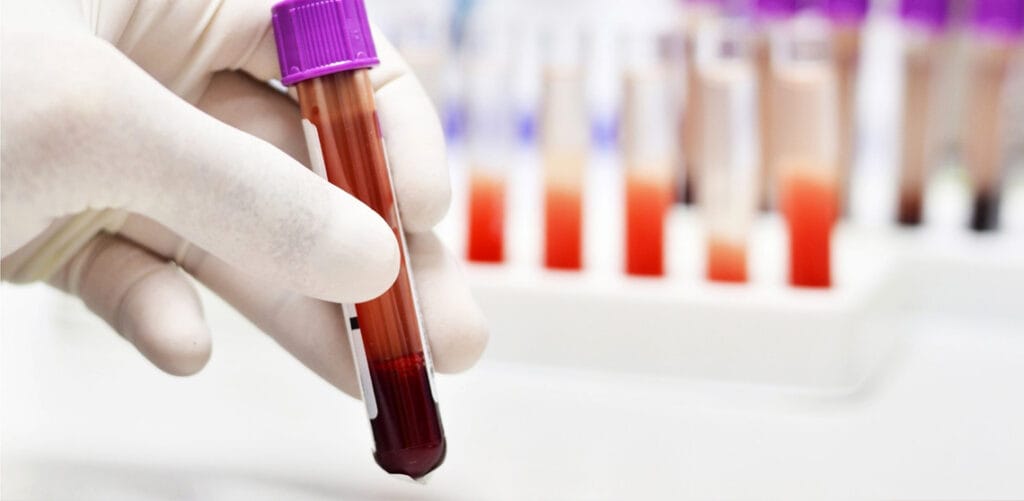
When to Get Tested for Diseases Feeling well doesn't always mean being healthy. Many diseases have no symptoms in their early stages, but continue to progress in the body. A test for diseases is not only a way to diagnose an existing pathology, but also an important tool for prevention. In particular, modern medicine recommends regular testing: If you have symptoms (pain, rash, fever, weakness) As part of an annual medical examination When planning a pregnancy After contact with infectious patients When taking medications for a long time To control chronic conditions Types of tests: a brief overview Type of test What it detects Examples of use Laboratory tests Condition of organs, hormones, immunity Blood test, urine, hormone tests Genetic tests Hereditary diseases, BRCA mutations, cystic fibrosis tests, metabolic diseases Infectious tests Presence of bacteria, viruses PCR for influenza, HIV, hepatitis, COVID-19 Tumor markers Risks of cancer processes PSA, CA-125, CEA, alpha-fetoprotein Rapid tests Operational diagnostics at home or in a pharmacy Glucose, pregnancy, COVID-19, streptococcus Immunological tests Antibody level, allergies ELISA for antibodies, allergy panels Examples when the test saves A 55-year-old man passes PSA...
Blood microanalysis: a simple study with great diagnostic value
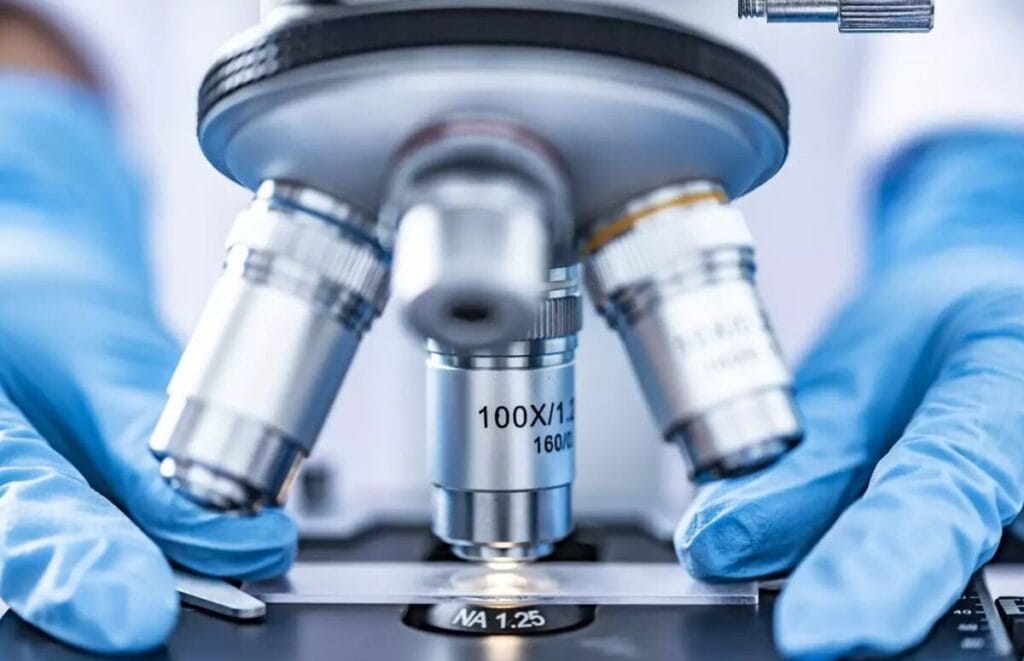
How microanalysis is becoming part of modern laboratory medicine Traditional laboratory tests usually require 5–10 ml of venous blood. But in a world where the need for fast, affordable and minimally invasive tests is growing, the role of blood microanalysis is growing. In 2023, WHO recognized the development of microdiagnostic methods as one of the priorities of primary health care, particularly in rural and inaccessible regions (WHO, Essential Diagnostics List). Microanalysis is a study of a small volume of capillary blood (from 20 to 100 μl), which allows you to assess a number of important parameters. It is used for express screening, monitoring of chronic diseases and in cases where it is impossible to take venous blood. What indicators can be determined using microanalysis? Modern laboratories and portable devices allow you to conduct a wide range of tests from a small amount of biomaterial: blood glucose hemoglobin, hematocrit cholesterol (total, LDL, HDL) total protein C-reactive protein leukocyte formula (in limited quantities) ferritin lactate, electrolytes (depending on the equipment) Indicators depend on...
