
Genetics of heart disease: heredity, risks, and personalized medicine
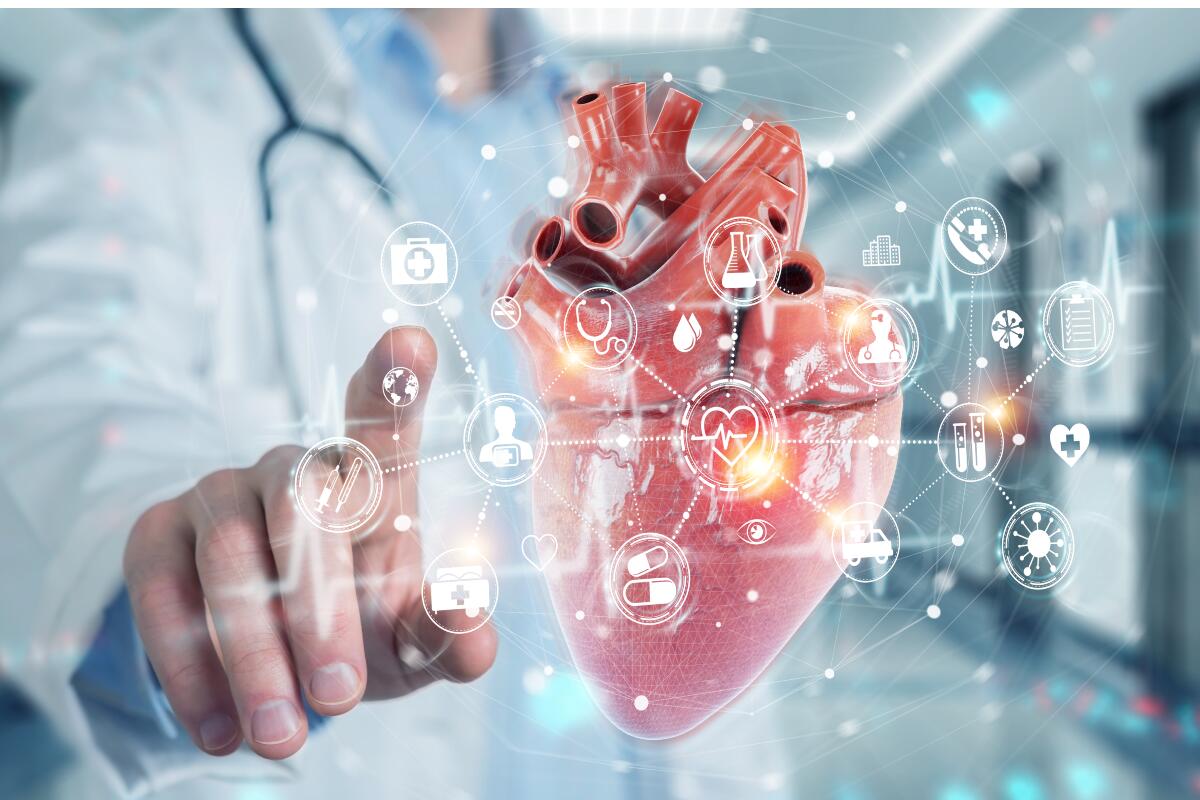
Cardiovascular diseases remain the leading cause of death in the world. Traditionally, risk factors include poor diet, stress, physical inactivity, and bad habits. However, scientific discoveries in recent decades prove that in many cases, the decisive role is played by genetics. The presence of certain mutations or polymorphisms can predispose to atherosclerosis, arrhythmias, cardiomyopathies, or even sudden cardiac death. That is why understanding the role of heredity in cardiology allows doctors to move from a standard approach to individualized prevention and treatment.
How genes affect heart health
Monogenic pathologies. These are rare cases where a single mutation causes a serious disease. For example, familial hypercholesterolemia (disorders of the LDLR, APOB, PCSK9 genes) causes extremely high cholesterol levels from childhood and leads to early heart attacks.
Multifactorial diseases. The most common heart diseases, such as arterial hypertension or coronary heart disease, arise from the interaction of many genes with external factors (diet, lifestyle, stress).
Gene polymorphisms. Small differences in DNA that do not cause disease directly but change the body's response to risk factors. For example, some gene variations affect salt sensitivity and the development of hypertension.
Hereditary heart disease
Familial hypercholesterolemia – increase in «bad» cholesterol by 2–3 times since childhood.
Cardiomyopathies – structural disorders of the heart muscle caused by changes in the MYH7, TTN, MYBPC3 genes.
Long QT syndrome – electrophysiological disorders that increase the risk of arrhythmias and sudden death.
Marfan syndrome – a genetic pathology of connective tissue that affects the heart and blood vessels, increasing the risk of aortic aneurysm.

Modern methods of genetic diagnostics
NGS (next generation sequencing). Allows you to examine hundreds of genes simultaneously, identifying rare mutations.
Targeted genetic panels. Used when a certain type of cardiomyopathy or syndrome is suspected.
Genetic testing in families. Allows the patient's relatives to be examined if an inherited mutation is detected.
Prenatal and neonatal diagnostics. Helps detect heart abnormalities in a fetus or newborn.
Genetic risk factors for heart disease
| Disease | Known genes | Main manifestations |
|---|---|---|
| Familial hypercholesterolemia | LDLR, APOB, PCSK9 | High cholesterol, early atherosclerosis |
| Hypertrophic cardiomyopathy | MYH7, MYBPC3 | Thickening of the heart walls, arrhythmias |
| Dilated cardiomyopathy | LMNA, TTN | Heart failure, dilated chambers |
| Long QT syndrome | KCNQ1, KCNH2 | Arrhythmias, risk of sudden death |
| Marfan syndrome | FBN1 | Aortic aneurysm, valve prolapse |
Pharmacogenetics in cardiology
A patient's genetic characteristics affect not only the risk of disease, but also the effectiveness of medications:
Statins – with certain mutations, they work less well or have side effects.
Anticoagulants (warfarin) – dosage depends on polymorphisms of the CYP2C9 and VKORC1 genes.
Antiplatelet drugs (clopidogrel) – with mutations in CYP2C19, efficacy may decrease.
Thanks to this, genetic tests help select optimal drugs, reducing the risk of complications.
Prevention for people at genetic risk
regular cardiac screening (ECG, EchoCG, blood tests for lipids);
early initiation of preventive therapy (statins, antihypertensive drugs);
quitting smoking, weight control and physical activity;
individual diet with restriction of saturated fats and salt;
psychological support, because knowledge of hereditary risk can cause anxiety.
The social significance of genetic research in cardiology
The development of genetics is changing not only medicine, but also society. In many countries, family screening programs are being created to identify families with a high risk of heart disease. This allows prevention to begin in childhood and significantly reduce the burden of cardiovascular mortality. At the same time, such studies raise questions of ethics, accessibility of tests and psychological support for patients.
Genetics vs. lifestyle: which has a stronger impact on the heart
| Factor | Impact on risk | Examples | Can I change |
|---|---|---|---|
| Genetics | Defines the base susceptibility to disease, may increase the risk 2–5 times | Familial hypercholesterolemia, long QT syndrome, cardiomyopathy | No, but it can be detected and controlled in time |
| Lifestyle | Influences the development and course of diseases, can reduce the risk even with hereditary predisposition | Smoking, obesity, poor diet, physical inactivity | Yes, by changing habits, you can significantly reduce your risk |
| Gene-environment interaction | A combination of genetics and behavioral factors is often crucial | Hypertension (genetic predisposition + salt in the diet), CHD | Yes, lifestyle modification mitigates the influence of genes |
Genetics cannot be changed, but lifestyle is in our hands. People with hereditary risk have even more reason to be careful about nutrition, physical activity, and preventive examinations.
The genetics of heart disease is one of the most promising areas of cardiology today. It allows not only to understand the nature of diseases, but also to personalize treatment, choosing it for the characteristics of a particular person. In the future, the combination of genetics, preventive medicine and healthy lifestyle can significantly reduce the prevalence of cardiovascular pathologies and improve the quality of life of millions of people. This integration can lead to significant advances in the normalization heart and vascular health, as well as to reduce the risk of complications. Research in this area opens up new horizons for the development of effective treatment strategies that meet the individual needs of patients. As a result, patients will be able to enjoy more active and healthy lives, which will have a positive impact on the overall health of the population.

Director of Medi Lab Plus LLC, a doctor of the highest category. Has over 45 years of practical experience in medicine and laboratory diagnostics. Founder and head of the laboratory since 2007. More details…

