
Mitochondrial DNA Analysis: How Cellular Energetics Reveals Hereditary Codes

When the cause is sought deeper than the tests can show
You or your child has dozens of tests—blood, hormone, MRI—but the symptoms don't go away. Muscle weakness, developmental delay, hearing or vision loss, strange seizures that are hard to classify. And then the doctor says, "We suspect mitochondrial disease. We need a mitochondrial DNA test.".
It may sound complicated, even alarming. But in fact, it is a modern genetic approach that helps diagnose severe but insidiously hidden metabolic disorders. And sometimes, it simply answers a question that cannot be solved by other methods.
What is mitochondrial DNA and why is it unique?
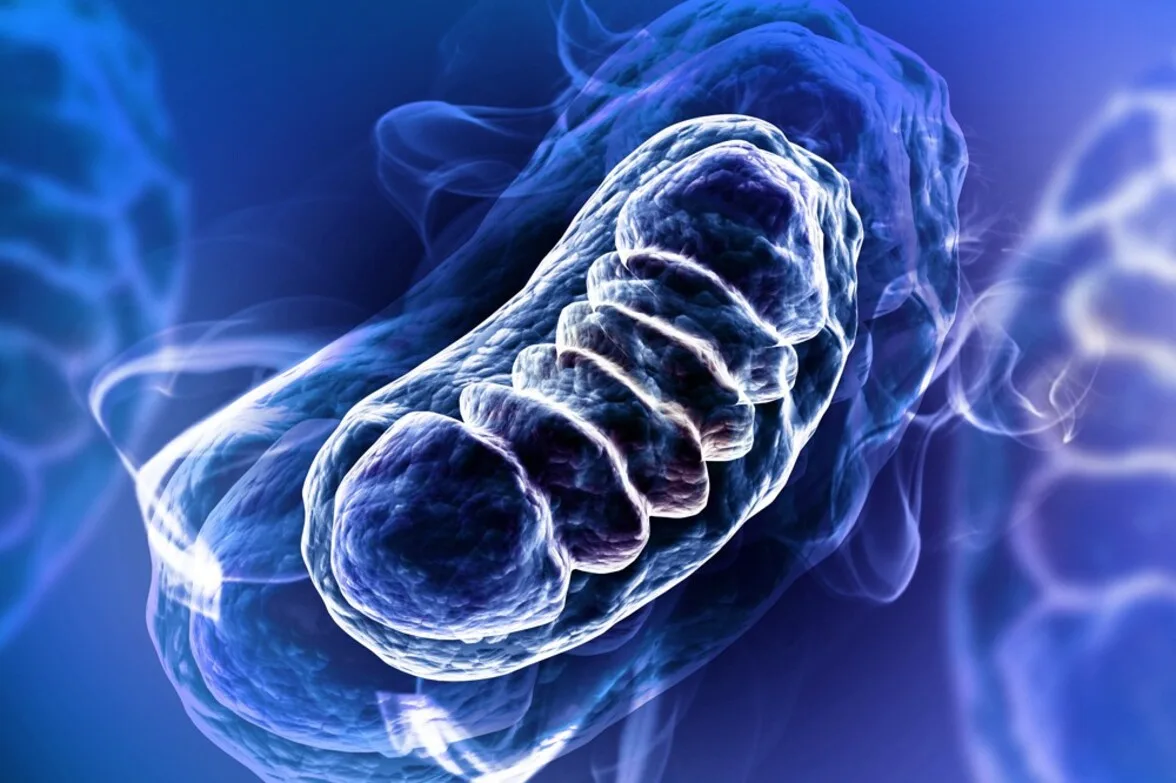
Mitochondria are organelles that provide energy production in every cell in the body. They have their own DNA, which is inherited only from the mother, without the participation of paternal chromosomes. This circular DNA molecule codes for proteins required for the cell's respiratory chain, the main source of energy.
Unlike nuclear DNA, which mixes during fertilization, mitochondrial DNA (mtDNA) does not change from generation to generation, and therefore is a stable hereditary marker - both for studying diseases and for establishing kinship.
In what cases is mitochondrial DNA analysis prescribed?
This analysis is highly specific and is used when the clinical picture does not fit into standard nosologies. It is prescribed for:
suspected mitochondrial diseases (MELAS, MERRF, Leber's disease)
neuromuscular disorders accompanied by weakness, cramps, hypotension
unexplained encephalopathies, developmental delay, vision/hearing loss
family examination, if relatives had similar manifestations
genealogical and forensic research - to confirm maternal family relationships
diagnosis of hereditary infertility in women
sometimes in cancer screening, as mtDNA mutations can accompany malignant processes

What methods are used?
Mitochondrial genome sequencing
The most accurate method is full-length mtDNA sequencing (NGS). It detects point mutations, deletions, and copy number variations (heteroplasmy).
PCR and MLPA
Used when single mutations or large deletions need to be detected. These are faster and more accessible methods, but are less complete.
Research material
Most often, venous blood is taken, but saliva, cheek epithelium, muscle tissue, or skin can also be taken in complex cases.
The most common mutations detected by mtDNA analysis
| Mutation | Associated disease | Main symptoms |
|---|---|---|
| m.3243A>G | MELAS (encephalopathy, lactic acidosis) | Stroke-like episodes, deafness, diabetes |
| m.8344A>G | MERRF (epilepsy with myoclonus) | Convulsions, weakness, ataxia |
| m.11778G>A | Leber's disease | Sudden loss of vision |
| m.8993T>G/C | Leigh/NARP syndromes | Neurodegeneration, respiratory failure |
| Large deletions | KSS (Kearns–Sayre) | Ophthalmoplegia, cardiomyopathy |
What does the analysis result mean?
Detection of mutations in mtDNA means a high probability of developing the disease or confirmation of existing symptoms. But it is important to consider the degree of heteroplasmy - the percentage of cells that carry the mutation. Even 20–30% can cause symptoms in tissues with high energy needs (brain, muscle, heart).
What are the actions after the analysis?
Consultation with a medical geneticist to interpret the result
Examination of relatives, especially on the maternal side
Development of an individual support plan: diet, vitamins, control lactate, power saving mode
In some cases, participation in clinical trials studying treatments for mitochondrial pathologies
What is the power of mitochondrial analysis?
Unlike a conventional genetic test, mtDNA allows:
identify the cause of neurological and metabolic disorders that are not visible on MRI or ultrasound
predict risks for offspring, as transmission is only through the maternal line
explain why treatment is ineffective — because it's not about a symptom, but about cellular energy
Mitochondrial DNA analysis is not just a diagnosis. It is an attempt to look into the very basis of cell life support. Sometimes it is he who provides the answer that neither a neurosurgeon, nor an immunologist, nor even an experienced pediatrician can find.

Director of Medi Lab Plus LLC, a doctor of the highest category. Has over 45 years of practical experience in medicine and laboratory diagnostics. Founder and head of the laboratory since 2007. More details…