
Thyroid problems: when to check hormones

The thyroid gland is one of the most important endocrine glands in the human body. It is responsible for regulating metabolism, energy levels, the functioning of the heart, the nervous system, and many other processes. However, disorders in its functioning can remain unnoticed for a long time, causing serious health consequences. That is why it is important to take thyroid hormone tests in a timely manner to prevent the development of diseases and correct possible disorders.
To obtain accurate laboratory test results, it is worth contacting a trusted medical center. In Medilab+ You can quickly and conveniently take thyroid hormone tests and get reliable results.
Main functions of the thyroid gland
The thyroid gland produces several important hormones that affect the body's functioning:
- Thyroxine (T4) – the main thyroid hormone that regulates metabolism, body temperature, and energy levels.
- Triiodothyronine (T3) – an active form of a hormone that affects cellular metabolism, heart function, and the nervous system.
- Thyroid stimulating hormone (TSH) – a pituitary hormone that controls the activity of the thyroid gland and stimulates the production of T3 and T4.
- Antibodies to thyroid peroxidase (AT-TPO) and thyroglobulin (AT-TG) – help detect autoimmune thyroid diseases.
Any deviation in the levels of these hormones can signal problems, so it is important to regularly monitor their levels in the blood.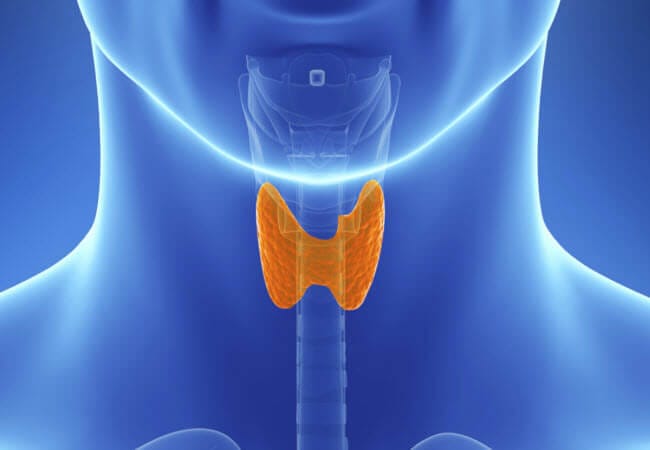
Symptoms of thyroid dysfunction
Thyroid disease can manifest itself in different ways, depending on hormone levels. There are two main conditions: hypothyroidism (underactive thyroid) and hyperthyroidism (overactive thyroid).
Signs of hypothyroidism:
- Feeling of constant fatigue and weakness
- Weight gain without changing your diet
- Dry skin, brittle hair and nails
- Decreased concentration, memory impairment
- Depression, irritability
- Decreased body temperature, constant feeling of cold
- Swelling of the face and extremities
Signs of hyperthyroidism:
- Rapid heartbeat, elevated blood pressure
- Weight loss even with a normal diet
- Increased sweating, feeling hot
- Hand tremors, nervousness, increased excitability
- Sleep problems, insomnia
- Bulging eyes, swelling of the eyelids
If you notice similar symptoms, you should immediately consult an endocrinologist and get your hormone levels tested.
When should you check your thyroid hormone levels?
Regular monitoring of hormone levels helps to avoid serious problems. The main indications for examination:
- Suspected hypothyroidism or hyperthyroidism – if there are relevant symptoms.
- Pregnancy planning – the level of thyroid hormones affects reproductive function.
- Pregnancy period – hormonal imbalances can negatively affect fetal development.
- Elevated cholesterol levels – may be a consequence of hypothyroidism.
- Heart problems – tachycardia, arrhythmia and other cardiovascular disorders may be associated with thyroid function.
- Mood swings, depression – hormonal imbalance affects the psycho-emotional state.
- Hereditary factor – if there are cases of thyroid diseases in the family, you should undergo regular examinations.


How to prepare for a hormone test
To ensure accurate test results, it is important to follow several rules:
- Blood sampling is performed on an empty stomach, in the morning (usually before 10:00).
- The day before the analysis, you should avoid physical exertion and stress.
- Avoid alcohol 24 hours before the examination.
- If you are taking hormonal medications, consult your doctor about temporarily discontinuing them.
- Do not smoke 2-3 hours before blood collection.
Following these recommendations will help to obtain reliable research results.
Treatment and prevention of thyroid diseases
Treatment for thyroid problems depends on the specific diagnosis. Hypothyroidism is usually treated by taking synthetic thyroxine (L-thyroxine), which compensates for the lack of hormones. Hyperthyroidism may require medication to suppress the gland, radioiodine therapy, or surgery.
To reduce the risk of developing diseases, it is important to:
- Consume sufficient amounts of iodine (seafood, iodized salt).
- Eat a balanced diet rich in selenium, zinc, and B vitamins.
- Engage in physical activity regularly.
- Control your stress levels, as they affect thyroid function.
Where to get thyroid hormone tests
Early detection of disorders allows you to prevent complications and maintain health. In Medilab+ You can get tested quickly, comfortably, and with a guarantee of reliable results. Experienced specialists will help you get accurate information about your thyroid condition and start treatment in a timely manner.
Take care of your health - do not postpone the examination if you have suspicious symptoms or are at risk of thyroid disorders.

Highly qualified cytomorphologist with over 45 years of experience. For 33 years, she headed the cytology laboratory of the regional oncology clinic. Expert in early diagnosis of malignant neoplasms at Medi Lab Plus LLC. More details…

