
Crohn's disease and what tests help to establish the diagnosis
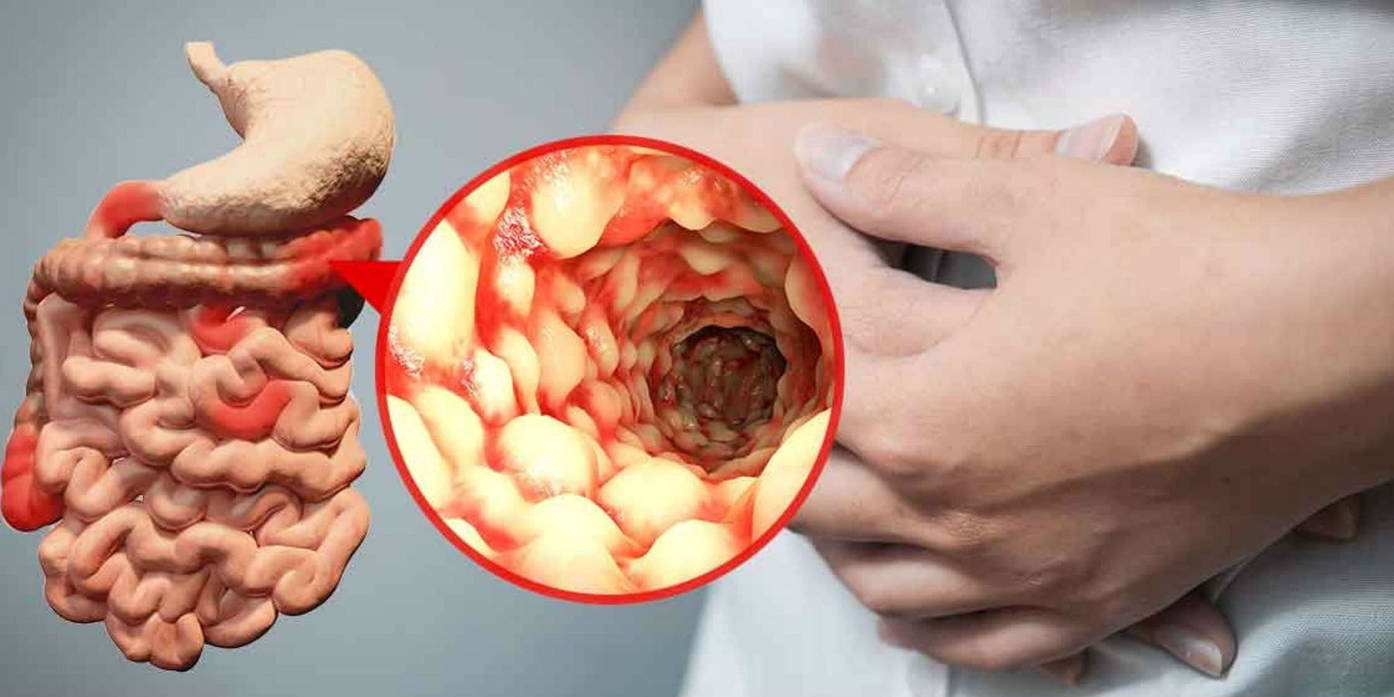
Crohn's disease often begins not with a single, sharp symptom, but with recurring discomfort that a person often attributes to diet, stress, or a «sensitive gut.» Abdominal pain, persistent diarrhea, bloating, weakness, weight loss, blood in the stool, or fever may be signs that there is inflammation in the intestines.
Crohn's disease is an inflammatory bowel disease. It can affect different parts of the digestive tract, and symptoms can range from mild to severe. MedlinePlus lists common symptoms as abdominal pain and cramping, diarrhea, loss of appetite, weight loss, fatigue, fever, and sometimes blood in the stool.
It is important to understand that one аналіз не може самостійно підтвердити хворобу Крона. Лікар оцінює симптоми, історію хвороби, результати лабораторних досліджень, ендоскопію, біопсію та за потреби методи візуалізації. NIDDK зазначає, що для діагностики хвороби Крона зазвичай потрібна комбінація тестів, а не один окремий показник.
When to suspect Crohn's disease
Crohn's disease is not suspected after a single episode of pain or diarrhea. Symptoms that recur, last for several weeks, or come back in waves are often worrisome.
You should consult a doctor if you have:
- diarrhea that does not go away or recurs frequently;
- abdominal pain, especially spasmodic or associated with bowel movements;
- blood or mucus in the stool;
- unexplained weight loss;
- prolonged weakness and fatigue;
- fever without an obvious cause;
- decreased appetite;
- anemia according to test results;
- nighttime urges to go to the toilet;
- growth or weight loss in a child or adolescent.
These symptoms do not always mean Crohn's disease. Intestinal infections, irritable bowel syndrome, celiac disease, ulcerative colitis, food intolerance, or other conditions can all cause a similar picture. That's why tests are needed not only to look for inflammation, but also to rule out other causes.
Why diagnosis begins with blood and stool tests
Lab tests do not replace a colonoscopy or a consultation with a gastroenterologist, but they help to see if there are signs of inflammation, anemia, infection, nutrient loss, or other disorders.
The Crohn's and Colitis Foundation notes that initial tests for suspected inflammatory bowel disease often include blood and stool tests, and then the doctor may order an endoscopy or imaging tests.
It is the laboratory stage that often helps to understand the extent to which a situation requires in-depth examination. For example, if a person has prolonged diarrhea and fatigue, tests may show anemia, elevated inflammatory markers, or signs of intestinal infection.
Complete blood count in case of suspected Crohn's disease
A complete blood count helps assess whether there is anemia, signs of inflammation, or an infectious process. In Crohn's disease, anemia can occur due to chronic inflammation, blood loss from the intestine, or impaired absorption of iron, folic acid, or vitamin B12.
The doctor draws attention to
- hemoglobin;
- erythrocytes;
- leukocytes;
- platelets;
- hematocrit;
- indicators that may indicate the type of anemia.
If the patient has weakness, pallor, dizziness, shortness of breath on exertion, or rapid fatigue, complete blood count It can be one of the first laboratory steps. It does not confirm Crohn's disease on its own, but it shows whether there are consequences of inflammation or blood loss to the body.
Markers of inflammation in the blood
If Crohn's disease is suspected, your doctor may order a C-reactive protein and erythrocyte sedimentation rate test. These tests can help assess the activity of the inflammatory process, but they don't reveal the exact cause.
C-reactive protein can be elevated in inflammation, infections, exacerbations of chronic diseases, and other conditions. The erythrocyte sedimentation rate is also a nonspecific indicator, so it is evaluated along with symptoms and other tests.
For the patient, this means a simple thing: elevated inflammatory markers do not equal a diagnosis of Crohn's disease, but they may be grounds for further examination.
Iron ferritin and vitamin B12 tests
Crohn's disease can affect nutrient absorption, especially if the inflammation affects the small intestine. Because of this, your doctor may evaluate iron stores, ferritin, transferrin, vitamin B12, folate, and other indicators depending on your symptoms.
Such analyses are particularly appropriate if there is
- prolonged fatigue;
- anemia;
- hair loss;
- brittle nails;
- numbness or tingling in the extremities;
- emaciation;
- decreased appetite;
- long-term intestinal complaints.
These tests do not establish a diagnosis on their own. They help assess how chronic inflammation or malabsorption is affecting the body.
Coprogram and stool tests
Stool tests are especially important when the main complaint is diarrhea, abdominal pain, mucus, or blood in the stool. They can help assess digestion, look for signs of inflammation, or suspect other causes of symptoms.
The doctor may recommend
- coprogram;
- stool analysis for occult blood;
- stool examination for pathogenic bacteria;
- tests for parasitic infections;
- fecal calprotectin;
- additional tests as indicated.
It is especially important to rule out an intestinal infection, as it can cause similar symptoms: diarrhea, pain, fever, weakness, and blood or mucus. In such cases, it may be helpful to stool analysis for pathogens, which helps to check for an infectious cause of intestinal complaints.

Fecal calprotectin and its role in diagnosis
Fecal calprotectin is a protein that can be elevated in stool when there is inflammation in the gut. It is often used to distinguish functional disorders, such as irritable bowel syndrome, from conditions where there is organic inflammation.
Elevated calprotectin does not automatically mean Crohn's disease. It can also be elevated in other inflammatory or infectious processes. But if the level is high and symptoms persist, your doctor may recommend a colonoscopy, biopsy, or additional imaging of the intestine.
This analysis is useful for the patient because it helps them understand whether there are reasons to look for inflammatory bowel disease, rather than explaining the symptoms solely by stress or diet.
Biochemical blood parameters
A blood chemistry test can help assess the overall health of the body in cases of persistent inflammation, diarrhea, or weight loss. The doctor may look at protein metabolism, electrolytes, liver function tests, albumin levels, and other parameters.
This is important because when there is active inflammation, malabsorption, or frequent diarrhea, the body can lose fluid, protein, trace elements, and other substances. These changes are not always visible externally, but can affect well-being, weight, strength, immune response, and treatment tolerance.
Why colonoscopy and biopsy are often needed after tests
Lab tests can help suspect a problem, but an endoscopy is often needed to confirm inflammatory bowel disease. The NIDDK notes that endoscopy is the most accurate way to diagnose Crohn's disease and rule out other health problems, and your doctor may take a biopsy during the exam.
A colonoscopy allows your doctor to examine the lining of your colon and the last part of your small intestine. A biopsy is needed to evaluate the tissue under a microscope. This helps distinguish Crohn's disease from ulcerative colitis, infectious colitis, ischemic damage, and other conditions.
Patients sometimes think that if blood tests are normal, a colonoscopy is not necessary. However, if symptoms persist, the decision should be made by a doctor, because the activity of the disease is not always fully reflected in blood tests alone.
Intestinal imaging for suspected Crohn's disease
Crohn's disease can affect areas of the intestine that are not always adequately assessed by standard colonoscopy alone. Therefore, the doctor may order MR enterography, CT enterography, intestinal ultrasound, or capsule endoscopy, depending on the clinical situation.
The Mayo Clinic lists colonoscopy, computed tomography, magnetic resonance imaging, capsule endoscopy, and balloon enteroscopy among the methods that can be used in diagnosis.
These methods help to assess the small intestine, complications, strictures, fistulas, abscesses, or the extent of the inflammatory process. They do not replace laboratory tests, but complement the overall picture.
What tests help distinguish Crohn's disease from infection?
Intestinal infections can be very similar to an exacerbation of inflammatory bowel disease. A person may have diarrhea, pain, fever, weakness, mucus or blood in the stool. That is why the doctor often does not limit himself to markers of inflammation, but prescribes tests to exclude an infectious cause.
May be needed
- bacteriological examination of feces;
- PCR tests for intestinal pathogens;
- parasite tests;
- Clostridioides difficile toxin tests as indicated;
- stool analysis for occult blood;
- fecal calprotectin.
This approach helps avoid the mistake of perceiving an infection as a chronic inflammatory disease or vice versa.
What results cannot be interpreted independently
When Crohn's disease is suspected, it is dangerous to draw conclusions based on a single indicator. For example, a normal C-reactive protein does not always completely rule out the problem, and an elevated calprotectin does not always mean Crohn's disease.
Do not interpret it yourself.
- moderately elevated leukocytes;
- decreased hemoglobin;
- elevated fecal calprotectin;
- positive occult blood in the stool;
- changes in ferritin;
- elevated C-reactive protein;
- protein changes or albumin;
- biopsy results without explanation from the doctor.
The diagnosis is made not by a single number on a form, but by a combination of symptoms, examination, laboratory results, endoscopy, histology, and imaging methods.
How to prepare for laboratory tests
Preparation depends on the specific test being performed. Some blood tests may require a fasting blood sample, while others may not. Stool tests require the correct sterile container, rapid delivery of the sample, and adherence to the laboratory's instructions.
Before taking the tests, it is advisable to clarify
- Do I need to come on an empty stomach?;
- Is it possible to take medication before the test?;
- how to properly collect feces;
- how long can the sample be stored;
- whether antibiotics, probiotics or anti-inflammatory drugs have an effect;
- whether the analysis should be repeated after treatment or exacerbation.
If the symptoms are acute, there is blood in the stool, high fever, severe pain, or signs of dehydration, you should not postpone consulting a doctor in order to prepare for the tests yourself.
What is the basic list of examinations a doctor can prescribe?
The final list depends on age, symptoms, duration of complaints, concomitant diseases and examination results. But when Crohn's disease is suspected, the doctor often starts with a combination of laboratory and instrumental methods.
The basic laboratory stage may include:
- complete blood count;
- C-reactive protein;
- erythrocyte sedimentation rate;
- ferritin and iron metabolism indicators;
- vitamin B12 and folic acid as indicated;
- biochemical blood test;
- fecal calprotectin;
- stool analysis for occult blood;
- stool examination for infections;
- tests for parasitic causes of diarrhea as indicated.
After that, the doctor may recommend a colonoscopy with biopsy, MRI or CT enterography, intestinal ultrasound, or other methods. It is the combination of these data that helps to establish a diagnosis and determine how active the process is.
When you can't postpone seeing a doctor
A routine examination is appropriate if symptoms are mild but recurring. However, there are situations when consultation is needed sooner.
Don't wait if there is
- blood in the stool;
- severe or increasing abdominal pain;
- high temperature;
- frequent diarrhea with signs of dehydration;
- rapid weight loss;
- pronounced weakness;
- vomiting;
- dizziness;
- black stools;
- symptoms in a child or adolescent with weight loss or growth retardation.
Crohn's disease can have a fluctuating course, with periods of remission followed by flare-ups. So even if symptoms temporarily subside but recur, it's worth getting tested and getting a medical explanation.
Crohn's disease requires careful diagnosis because its symptoms can mimic many other intestinal conditions. Blood and stool tests can help identify inflammation, anemia, nutrient loss, or an infectious cause of the symptoms, while endoscopy with biopsy and imaging techniques can help your doctor confirm the diagnosis and assess the extent of the condition. The sooner a person seeks help for persistent symptoms, the sooner they can move from worrying assumptions to a clear plan of investigation and treatment.

Director of Medi Lab Plus LLC, a doctor of the highest category. Has over 45 years of practical experience in medicine and laboratory diagnostics. Founder and head of the laboratory since 2007. More details…

