
Night sweats and what tests will help find its cause
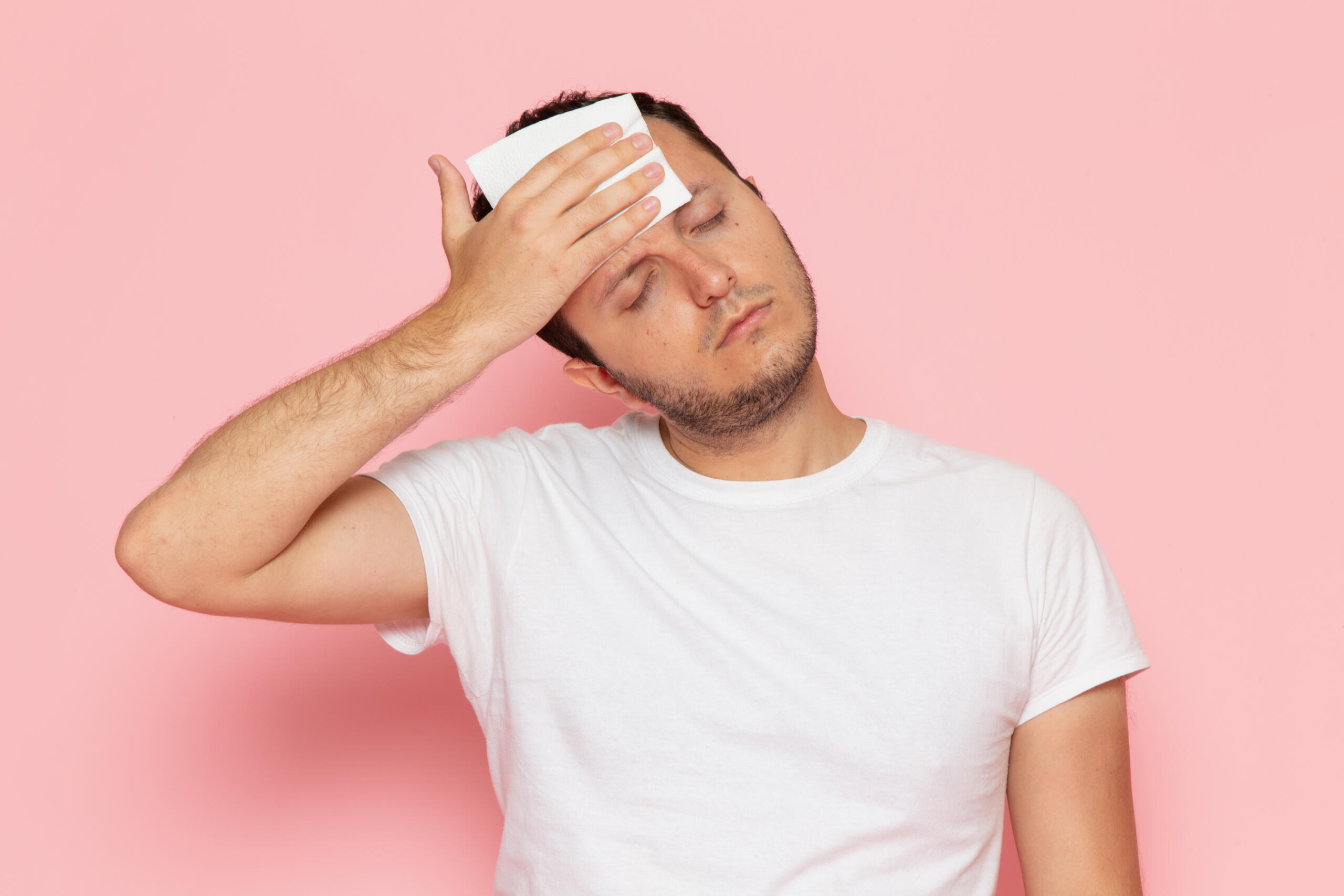
Night sweats are not just a symptom of a hot room or a warm blanket. Doctors are also concerned about something else: a person wakes up all wet, has to change pajamas or underwear, and this happens again and again for no apparent reason. Sometimes they are accompanied by chills, fever, weakness, weight loss, cough, rapid heartbeat, anxiety, or enlarged lymph nodes.
According to the NHS, night sweats are when a person sweats so much that their clothes and bedding become wet, even in a cool room. Causes include menopause, anxiety, medications, low blood sugar, infections and other illnesses.
Tests are needed not to simply "stop sweating," but to understand whether it is due to an infection, hormonal imbalance, inflammation, anemia, diabetes problems, a side effect of medication, or another condition that needs to be treated.
First, you need to separate the domestic cause from the medical one.
Night sweats can simply be a reaction to overheating. If the room is hot, the blanket is thick, the clothes are synthetic, there was alcohol, spicy food or severe stress before going to bed, the body can actively sweat without illness.
Another situation is when the sweating recurs in a cool room, is not dependent on a blanket, occurs with other symptoms, or lasts for weeks. The Cleveland Clinic notes that night sweats can be related to hormonal changes, infections, medications, mental conditions, alcohol use, or other causes, but a diagnosis should be made by a doctor.
Before the analysis, it is important to honestly answer several questions:
- Is the bed wet or is the neck only slightly damp?;
- is there a fever or chills;
- is there a cough;
- has the weight decreased;
- is there a heartbeat or tremor;
- is there a weakness;
- whether the medication has changed;
- Are there any nighttime awakenings due to anxiety?;
- are there hot flashes;
- are there enlarged lymph nodes;
- whether there is diarrhea, pain, rash, or other symptoms.
It is these details that help the doctor choose not a random list of tests, but the necessary direction of examination.
Fever, chills and inflammation
If night sweats are accompanied by fever, chills, sore throat, cough, chest pain, weakness, or prolonged recovery from an infection, the doctor will first think about an inflammatory or infectious process.
The initial assessment may require:
- complete blood count with leukocyte formula;
- C-reactive protein;
- ESR;
- general urine analysis;
- biochemical blood test;
- tests for specific infections based on symptoms;
- tests for COVID 19, flu or other respiratory infections as appropriate.
MedlinePlus notes that excessive sweating, especially at night, can be associated with infections, including tuberculosis, as well as other medical conditions.
If you have a persistent cough, blood in your sputum, weight loss, weakness, and night sweats, your doctor may consider testing you for tuberculosis. MedlinePlus lists night sweats among the symptoms of tuberculosis, along with cough, chest pain, weakness, weight loss, and fever.
When to check your thyroid gland
Night sweats may be related to an increased metabolism. If the sweating is accompanied by palpitations, hand tremors, weight loss despite a normal diet, anxiety, heat intolerance, frequent bowel movements, or sleep disturbances, your doctor may suspect hyperthyroidism.
For verification, the following are usually used:
- TSH;
- free T4;
- free T3 as indicated;
- TSH receptor antibodies for suspected Graves' disease;
- antibodies to thyroperoxidase according to the clinical situation.
MedlinePlus notes that for hyperthyroidism, blood tests include thyroid hormones, specifically free T4 and T3, as well as TSH.
It is important not to confuse different thyroid disorders. Excessive sweating is more often associated with an excess of thyroid hormones, while an elevated TSH is more consistent with reduced gland function. However, for the initial assessment, TSH remains one of the key indicators.
Glucose and night sweats
Night sweats can occur when blood glucose levels drop, especially in people with diabetes who take blood sugar-lowering medications or insulin. In this case, the sweating may be accompanied by tremors, hunger, palpitations, anxiety, weakness, or morning headaches.
The Mayo Clinic cites drugs used to treat low blood sugar in diabetes, as well as other medications and medical conditions, as causes of night sweats.
The doctor may recommend:
- blood glucose;
- glycated hemoglobin;
- self-monitoring of glucose at night in the presence of diabetes;
- review of drug doses;
- assessment of nutrition before bedtime;
- additional endocrine examinations as indicated.
If a person has diabetes and wakes up drenched in sweat, they should not change their treatment on their own. It is better to discuss this with their doctor, as the cause may be nocturnal hypoglycemia.
Blood anemia and hidden inflammation
Night sweats along with weakness, pallor, dizziness, palpitations, or rapid fatigue require a complete blood count. A complete blood count helps detect anemia, changes in leukocytes, platelets, and indirect signs of an inflammatory or hematological process.
The following may be appropriate:
- complete blood count;
- leukocyte formula;
- ferritin;
- iron and transferrin;
- vitamin B12;
- folic acid;
- C-reactive protein;
- ESR;
- lactate dehydrogenase according to indications;
- additional tests at the doctor's discretion.
If night sweats are combined with constant weakness, it is appropriate to pay attention to the broader material about constant fatigue, because fatigue, anemia, inflammation, infections, and hormonal disorders often overlap in diagnosis.
Lymph nodes weight loss and alarming combinations
Night sweats alone do not mean cancer. But if they are combined with unexplained weight loss, a persistent fever, enlarged, painless lymph nodes, or severe weakness, a doctor should rule out more serious causes.
MedlinePlus lists night sweats as one of the possible symptoms of Hodgkin lymphoma, along with painless lymph node enlargement, fever, weight loss, and other findings. A complete blood count with differential and other tests may be used for initial evaluation.
In such cases, a laboratory test may be only the first step. The doctor may also order a lymph node examination, ultrasound, X-ray or CT scan, biopsy, or consultation with a specialist as indicated.
It is especially important not to delay a consultation if the lymph node has been enlarged for more than a few weeks, is painless, grows gradually, or is combined with night sweats and weight loss.
Hormonal changes in women
In women, night sweats are often associated with perimenopause or menopause. In this case, it may present as hot flashes: a sudden feeling of heat, sweating, palpitations, awakening, and subsequent sleep disturbance.
The Mayo Clinic notes that night sweats can wake a person up and disrupt sleep, and are most often associated with menopause, although other causes are possible, including medications, thyroid problems, some cancers, and cancer treatments.
In this direction, the doctor can assess:
- age and menstrual cycle pattern;
- pregnancy if necessary;
- TSH and free T4;
- complete blood count;
- ferritin;
- glucose;
- FSH, LH, estradiol according to indications;
- other hormones according to the clinical situation.
Not every woman with hot flashes needs a big hormonal pill. Often, perimenopause is diagnosed based on age, symptoms, and cycle changes. But tests are needed if the picture is atypical or if there is weakness, anemia, palpitations, weight loss, or other symptoms.
Alcohol Medication and Night Sweats
Sometimes the cause of night sweats is not a new disease, but rather a medication or substance that a person is taking. Sweating can be triggered by certain antidepressants, diabetes medications, hormonal drugs, antipyretics, blood pressure medications, alcohol, and other factors.
The Mayo Clinic lists a number of medications as causes of night sweats, including antidepressants, hormonal drugs, drugs to treat low blood sugar in diabetes, and other medications.
Before the tests, it is worth preparing a list:
- all prescription medications;
- additives;
- hormonal drugs;
- antidepressants;
- blood pressure medications;
- diabetes medications;
- antipyretics;
- alcohol or other substances;
- new drugs that appeared before the onset of symptoms.
There is no need to cancel the medication on your own. But the doctor should know the full list, as this can shorten the diagnostic path.
What is usually included in the initial inspection
If night sweats are recurring and have no obvious explanation, a doctor will often start with basic tests to help identify the main areas of risk.
The starter kit may include:
- complete blood count with leukocyte formula;
- C-reactive protein;
- ESR;
- glucose;
- glycated hemoglobin;
- TSH;
- free T4 as indicated;
- ferritin;
- biochemical blood test;
- liver indicators;
- creatinine and urea;
- general urine analysis;
- tests for infections based on symptoms;
- HIV, tuberculosis or other infectious disease tests according to indications and risks.
This does not mean that you need to take all these tests yourself. They are selected based on symptoms: cough leads in one direction, palpitations and weight loss in another, hot flashes and menstrual irregularities in a third, enlarged lymph nodes in a fourth.
When it is better not to postpone the application
Night sweats require prompt consultation if they are not isolated and are combined with other worrisome symptoms.
You shouldn't wait if you have:
- fever without an obvious cause;
- chills;
- prolonged cough;
- blood in the sputum;
- weight loss;
- severe weakness;
- enlarged lymph nodes;
- night sweats for several weeks in a row;
- chest pain;
- dyspnea;
- palpitation;
- diarrhea or prolonged intestinal symptoms;
- profuse sweating due to diabetes;
- new symptom after starting medication.
MedlinePlus advises seeing a doctor if sweating is accompanied by weight loss or occurs frequently during sleep, as it may indicate a medical problem, such as an infection or an overactive thyroid gland.
How to prepare for tests and consultation
The most helpful thing to do before your visit is to not just say «night sweats,» but to describe the symptoms. This will help your doctor distinguish between hot flashes, infection, hypoglycemia, anxious awakenings, or a systemic process.
Write down:
- how often does sweating occur;
- Is the bed wet?;
- is there a temperature;
- is there weight loss;
- is there a cough;
- is there a heartbeat;
- is there shivering or hunger at night;
- are there enlarged lymph nodes;
- what medications are being taken;
- was there alcohol before bedtime;
- Has the cycle changed?;
- have there been any infections recently;
- whether there is diabetes or thyroid disease.
If you are planning to have your blood glucose, biochemistry, or certain hormones tested, the laboratory may recommend that you donate blood in the morning or on an empty stomach. You should not stop taking medications on your own, but you should inform your doctor about them before the test.
Night sweats can be completely innocent — a reaction to a warm room, stress, or alcohol. At the same time, they can signal an infection, hormonal imbalance, hypoglycemia, inflammation, a side effect of medication, or a more serious illness. That is why tests are needed not for guesswork, but for a consistent check of key causes: blood counts, markers of inflammation, glucose levels, thyroid status, infections, liver and kidney function, and deficiencies. If sweating recurs and is accompanied by weakness, fever, cough, weight loss, or enlarged lymph nodes, it is better not to delay the examination.

Director of Medi Lab Plus LLC, a doctor of the highest category. Has over 45 years of practical experience in medicine and laboratory diagnostics. Founder and head of the laboratory since 2007. More details…

