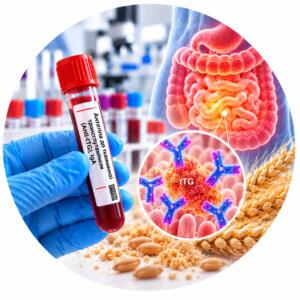



Antibodies to gliadin (Gliadin), IgG
550 UAH
The IgG gliadin antibody test measures the presence and level of immunoglobulin G antibodies directed against gliadin, a protein component of wheat. The test is used to screen for suspected celiac disease and certain other gluten-related conditions. IgA tissue transglutaminase antibodies and total IgA are also commonly used to diagnose celiac disease. The results are interpreted in conjunction with symptoms and other tests.
Celiac disease is a chronic immune-mediated gastrointestinal disease that results from the body's specific reaction to the gliadin protein found in wheat, barley, and rye. This reaction causes inflammation and damage to the lining of the small intestine, which can lead to a number of serious complications, including impaired absorption of nutrients and the development of nutritional deficiencies.
Diagnosis of celiac disease is an important task for the timely detection and treatment of this disease. One of the diagnostic methods is the determination of IgG antibodies to gliadin. These antibodies are produced by the patient's immune system in response to the ingestion of gliadin and can serve as a sign of an active reaction of the body to this protein.
Determination procedure IgG class antibodies to gliadin include several steps. First, a blood sample is taken from the patient. This sample is then processed in a laboratory, where the level of antibodies to gliadin is determined. Elevated levels of these antibodies may indicate possible celiac disease or other gliadin allergic reactions.
Diagnosis of celiac disease can be extremely important for the patient, as early detection of the disease allows for treatment to be initiated and serious complications to be prevented. Treatment for celiac disease involves a strict gliadin-free diet, which requires the exclusion of foods containing wheat, barley, and rye. Usually, after some time on such a diet, the patient's condition improves and the intestinal damage disappears.
It is also important to keep in mind that celiac disease can be accompanied by other diseases and complications, such as nutritional deficiencies, anemia, weight loss, and other health problems. Therefore, it is important to maintain close medical supervision and follow the doctor's recommendations.
In conclusion, it can be said that the diagnosis of celiac disease by determining IgG antibodies to gliadin is an important tool in the detection of this disease. Early diagnosis and proper treatment allow the patient to maintain health and quality of life at a high level.
| Execution time | 1 day |
|---|---|
| Type of biomaterial | Venous blood |
Useful tests