Down Syndrome Risk (DSR) – prenatal screening analysis to determine individual risk of Down Syndrome for the first trimester
100 UAH
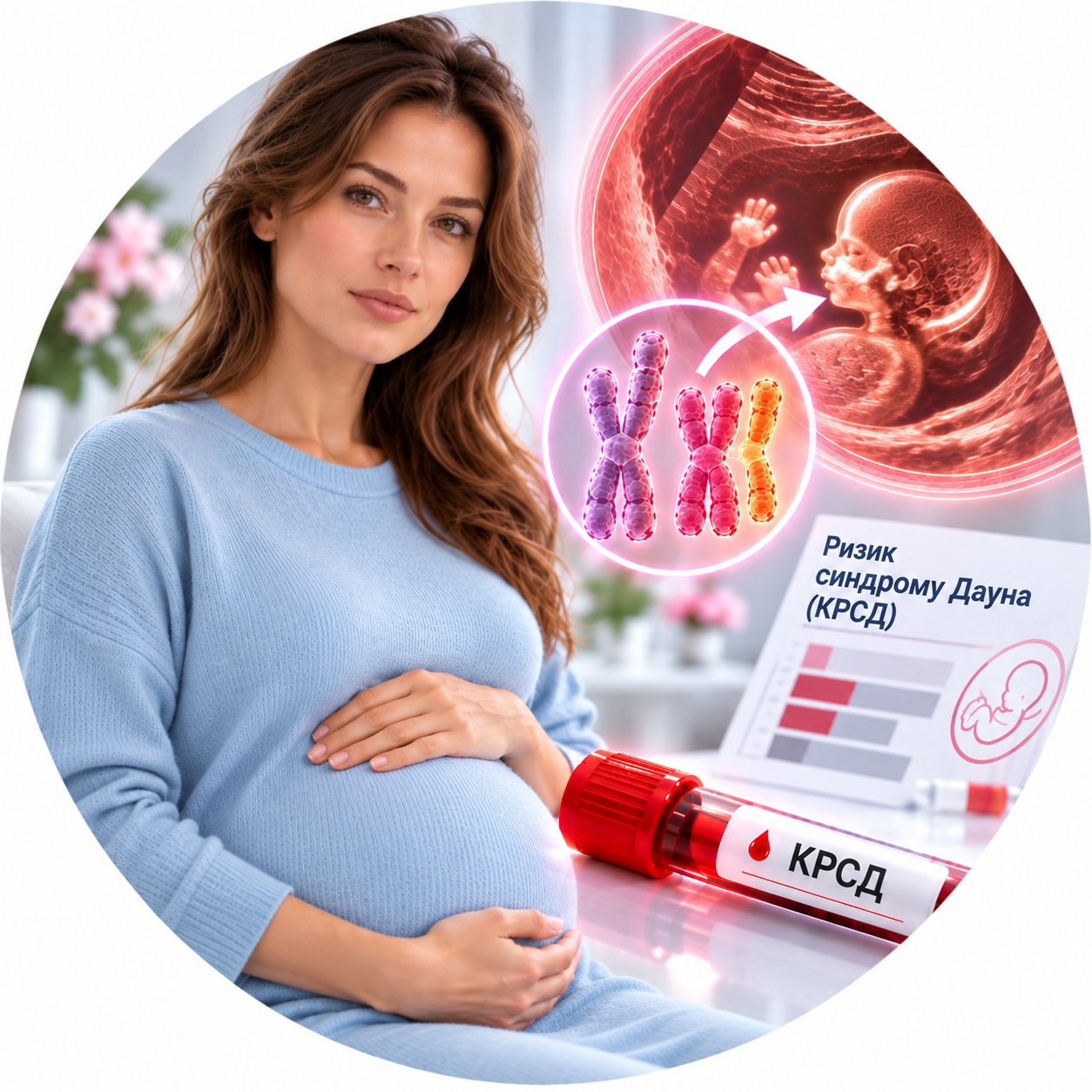
Prenatal screening in the first trimester to calculate the individual risk of Down syndrome is a laboratory study that helps to assess the probability of trisomy 21 in the fetus. The risk is calculated using biochemical parameters of the pregnant woman's blood, ultrasound data and other factors in accordance with the screening protocol. The result shows the calculated risk, and does not confirm or exclude the diagnosis. The results should be discussed with a doctor who will determine further examinations if necessary. The optimal timing and preparation should be clarified in the laboratory.
Prenatal biochemical screening in the first trimester (10-14 weeks)
The risk of Down syndrome (Down syndrome, CRSD) is a concern for expectant parents and doctors during pregnancy. This syndrome is one of the most common chromosomal abnormalities and can affect the development of the child. Prenatal screening, including hormonal panels and biochemical analysis, has become an extremely important tool for determining the individual risk of CRSD during the first trimester of pregnancy.
Before considering prenatal screening, it is important to understand what Down syndrome is. It is a genetic condition that results from having an extra copy of chromosome 21. Down syndrome can lead to a variety of medical problems and psychological challenges in a child, including developmental delays and intellectual disabilities.
Prenatal screening for Down syndrome risk in the first trimester aims to provide parents with more information about the possible risk and to determine whether further diagnostics, such as chorionic villus sampling or amniocentesis, which are usually associated with greater risks to the pregnancy, are necessary.
The main methods prenatal screening to determine the risk of Down syndrome In the first trimester, there is a hormonal panel and a biochemical analysis. The hormonal panel involves measuring the levels of two hormones: beta-chorionic gonadotropin (hCG) and progesterone in the mother's blood. This data, along with the mother's age, weight, and other factors, is used to calculate the risk of Down syndrome.
Biochemical analysis involves measuring the levels of two proteins in the mother's blood: alpha-fetoprotein (AFP) and free estriol (uE3). Analyzing these proteins, along with the hormone panel, can more accurately determine the risk of CRSD.
Fortunately, many low-risk pregnancies do not result in a baby with Down syndrome. Prenatal screening in the first trimester provides an opportunity to identify high risk and start discussing possible next steps with your doctor in good time. In most cases where high risk is suspected, further testing, such as amniocentesis, is recommended, which allows accurately determine the presence of Down syndrome in the fetus.
It is important to remember that screening results are not a definitive diagnosis, and many factors can affect the accuracy of these tests. A high risk does not mean that the baby will definitely have Down syndrome, and a low risk does not guarantee that the baby will not have the syndrome. Therefore, it is important to discuss the results with your doctor and make an informed decision about further diagnosis and pregnancy management.
In summary, prenatal screening in the first trimester, in particular hormonal panel and biochemical analysis, are important tools for determining an individual's risk of Down syndrome. These tests allow parents and doctors to obtain more information and to initiate the necessary diagnosis and treatment in a timely manner in cases of high risk.
| Execution time | 1 day |
|---|
Useful tests