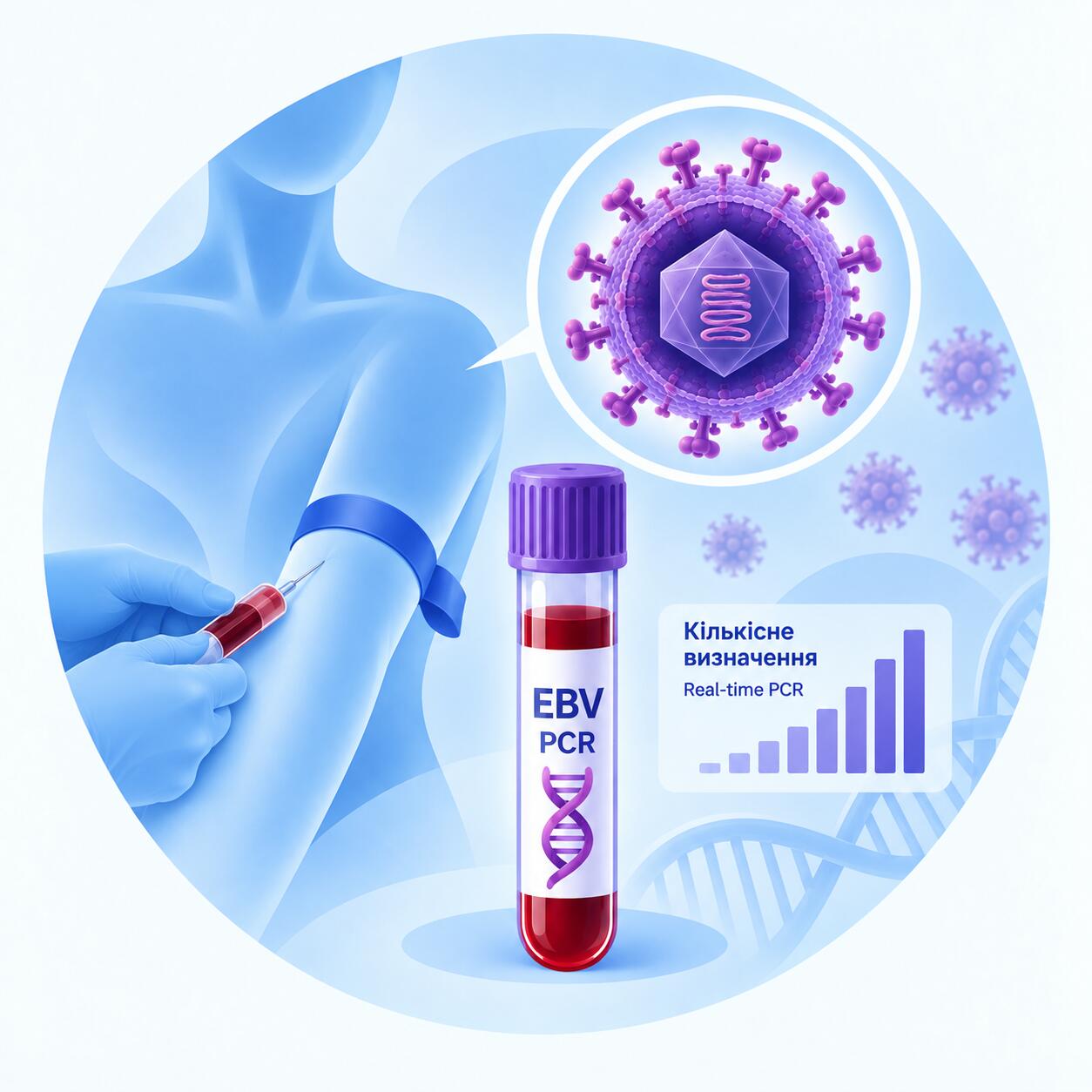
Epstein-Barr virus, PCR-quantitative determination (blood)
750 UAH
Infection Panel/Infectious Mononucleosis (EBV) Epstein-Barr Virus Infection.
biomaterial: saliva
– It is recommended to take the test on an empty stomach, or 3-4 hours after eating.
– You can't chew gum before handing in.
– You can't smoke an hour before the test.
– Refrain from drinking alcohol for a day.
– It is unacceptable to have cosmetics on your lips (lipsticks, lip balms).
biomaterial: blood
– Venous blood is donated for PCR testing and PCR genetics.
– Blood is collected on an empty stomach, after an overnight fast, or 8-12 hours after eating.
– On the day of blood donation, it is allowed to drink a small amount of pure water.
– 6-12 hours before the study, stressful situations should be avoided and physical activity should be limited.
– Avoid fatty foods, alcohol, and smoking.
– If possible, medication should be avoided.
– For infants – allow as long a pause between feedings as possible before handing over.
Epstein-Barr virus (EBV) – This is one of the most common viruses. in the world, which belongs to the herpesvirus family. This virus, also known as Epstein-Barr virus (EBV), is surrounded by a large number of myths and misunderstandings. It is recognized as one of the main causes of infectious mononucleosis, but it is also associated with numerous other diseases, including nasopharyngeal cancer and lymphoma. Epstein-Barr virus and its effects on the human body are the subject of active research in the medical community. Current studies indicate a possible link between EBV infection and the development of autoimmune diseases, such as multiple sclerosis. Given its prevalence, knowledge about Epstein-Barr virus and its impact Health screenings are important for identifying potential risks and timely treatment.
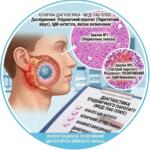
EBV is transmitted primarily through saliva, sometimes through blood contact. Symptoms can range from asymptomatic or mild to severe. The main symptoms of infectious mononucleosis are high fever, sore throat, swollen lymph nodes, and splenomegaly (enlarged spleen).
An infection panel includes a number of diagnostic methods to determine if a patient has EBV. The main methods include:
- Laboratory tests: Serological tests, such as ELISA (enzyme-linked immunosorbent assay), detect the presence of antibodies to EBV in the blood. A positive result indicates the presence of the virus or a previous infection.
- Polymerase chain reaction (PCR): This test can detect EBV genetic material in blood or other tissues. It helps determine the activity of the virus.
- Clinical symptoms: The doctor assesses the patient's symptoms, in particular, the presence of more typical manifestations of infectious mononucleosis, such as high fever, enlarged lymph nodes, and splenomegaly.
EBV infection can have serious consequences, especially for people with weakened immune systems. It is associated with the development of various diseases, such as nasopharyngeal cancer, lymphoma, and central nervous system diseases. Therefore, it is important to diagnose the infection and, if appropriate, treat it in a timely manner.
Treatment for EBV infection is generally focused on supporting the patient and alleviating symptoms. This includes antipyretics to reduce fever, antibiotics to treat co-infections, and a cautious regimen to prevent further spread of the virus.
Avoiding EBV infection can be difficult due to its prevalence. However, some measures, such as avoiding direct contact with saliva and practicing good personal hygiene, can help reduce the risk of infection.
In conclusion, Epstein-Barr virus is serious pathogen, which can lead to various diseases, including infectious mononucleosis. Diagnosis and treatment are important to ensure the health of patients and prevent further spread of the virus. Epstein-Barr virus and its definition are of key importance in the study of viral infections, as this pathogen affects the human immune system. Studying the mechanisms of interaction of the virus with the body's cells can help in the development of more effective methods of treatment and prevention. Understanding the Epstein-Barr virus also allows us to identify possible complications that may occur after infection.
| Execution time | 1 day |
|---|---|
| Type of biomaterial | Blood |
Useful tests