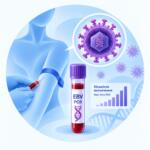
Epstein-Barr virus, (EBV) – PCR-qualitative determination (blood)
630 UAH
Infection Panel/Infectious Mononucleosis (EBV) Epstein-Barr Virus Infection.
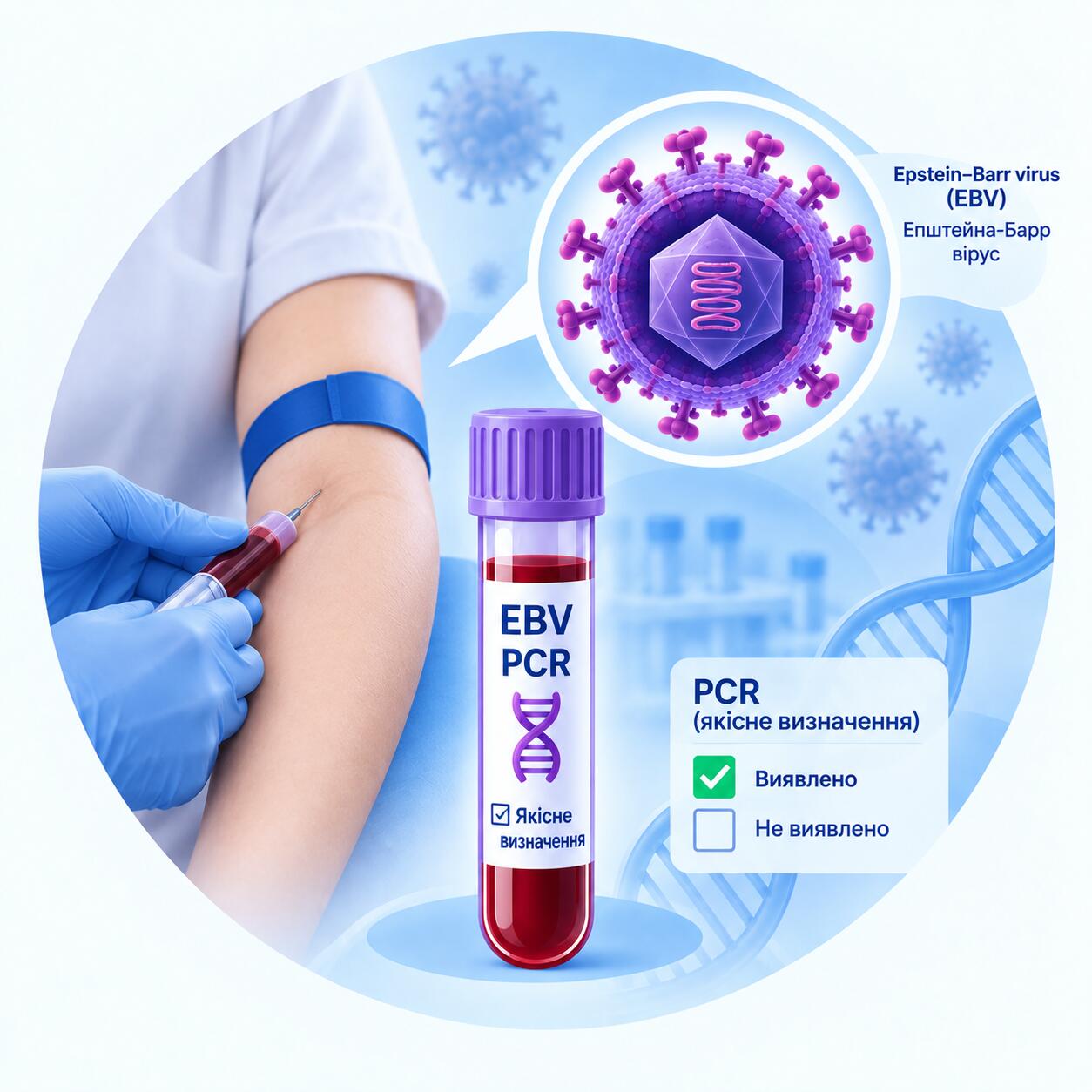
biomaterial: saliva
– It is recommended to take the test on an empty stomach, or 3-4 hours after eating.
– You can't chew gum before handing in.
– You can't smoke an hour before the test.
– Refrain from drinking alcohol for a day.
– It is unacceptable to have cosmetics on your lips (lipsticks, lip balms).
biomaterial: blood
– Venous blood is donated for PCR testing and PCR genetics.
– Blood is collected on an empty stomach, after an overnight fast, or 8-12 hours after eating.
– On the day of blood donation, it is allowed to drink a small amount of pure water.
– 6-12 hours before the study, stressful situations should be avoided and physical activity should be limited.
– Avoid fatty foods, alcohol, and smoking.
– If possible, medication should be avoided.
– For infants – allow as long a pause between feedings as possible before handing over.
Epstein-Barr The Epstein-Barr virus (EBV), also known as the Epstein-Barr virus, is one of the most common viruses in humans and belongs to the herpesvirus family. This virus can cause a number of diseases, including infectious mononucleosis, and is also associated with the risk of developing certain types of cancer.
Structure and distribution
EBV has a complex structure consisting of double-stranded DNA surrounded by proteins and lipid coats. It is transmitted through saliva, blood, secretions, and other types of contact between infected and uninfected individuals. The virus spreads easily in settings where many people are in close contact, such as schools and universities.
Infectious mononucleosis (Mono)
Infectious mononucleosis, often called “mono,” is one of the main illnesses associated with the Epstein-Barr virus. This illness often affects teenagers and young adults, although it can occur at any age. Symptoms of mono may include:
- Acute illness with high fever and sore throat.
- Enlarged lymph nodes.
- General weakness and fatigue.
- Excessive tearing and swelling of the face.
- Headache and muscle pain.
These symptoms can last from a few weeks to a few months. In most cases, the disease does not require specific treatment and resolves on its own. However, in severe cases, antiviral drugs and symptomatic treatment may be prescribed.
Associated risks
Previous infection with Epstein-Barr virus can cause some serious diseases. EBV is known to be associated with the risk of developing the following diseases:
- Lymphomas. The virus can contribute to the development of lymphoproliferative diseases, such as Burkitt lymphoma and other types of lymphoma.
- Nasopharyngeal cancer. In other cases, EBV has been identified as one of the risk factors for developing nasopharyngeal cancer.
Diagnosis and prevention
The diagnosis of infectious mononucleosis is often made based on clinical symptoms and confirmed by laboratory tests that detect antibodies to the Epstein-Barr virus in the blood.
Prevention of EBV infection is difficult due to its widespread distribution and long-term persistence in the body after infection. However, general hygiene measures, such as frequent hand washing and avoiding contact with saliva and secretions of infected individuals, can help reduce the risk of transmission.
In conclusion, Epstein-Barr virus is a common virus that can cause infectious mononucleosis and is associated with a risk of developing serious diseases such as lymphomas and nasopharyngeal cancer. Understanding this virus, its transmission, and preventive measures is important for public health.
| Execution time | 1 day |
|---|---|
| Type of biomaterial | Blood |
Useful tests