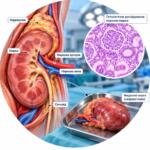

Testicular biopsy for inflammatory or tumor pathologies (PG047)
700 UAH
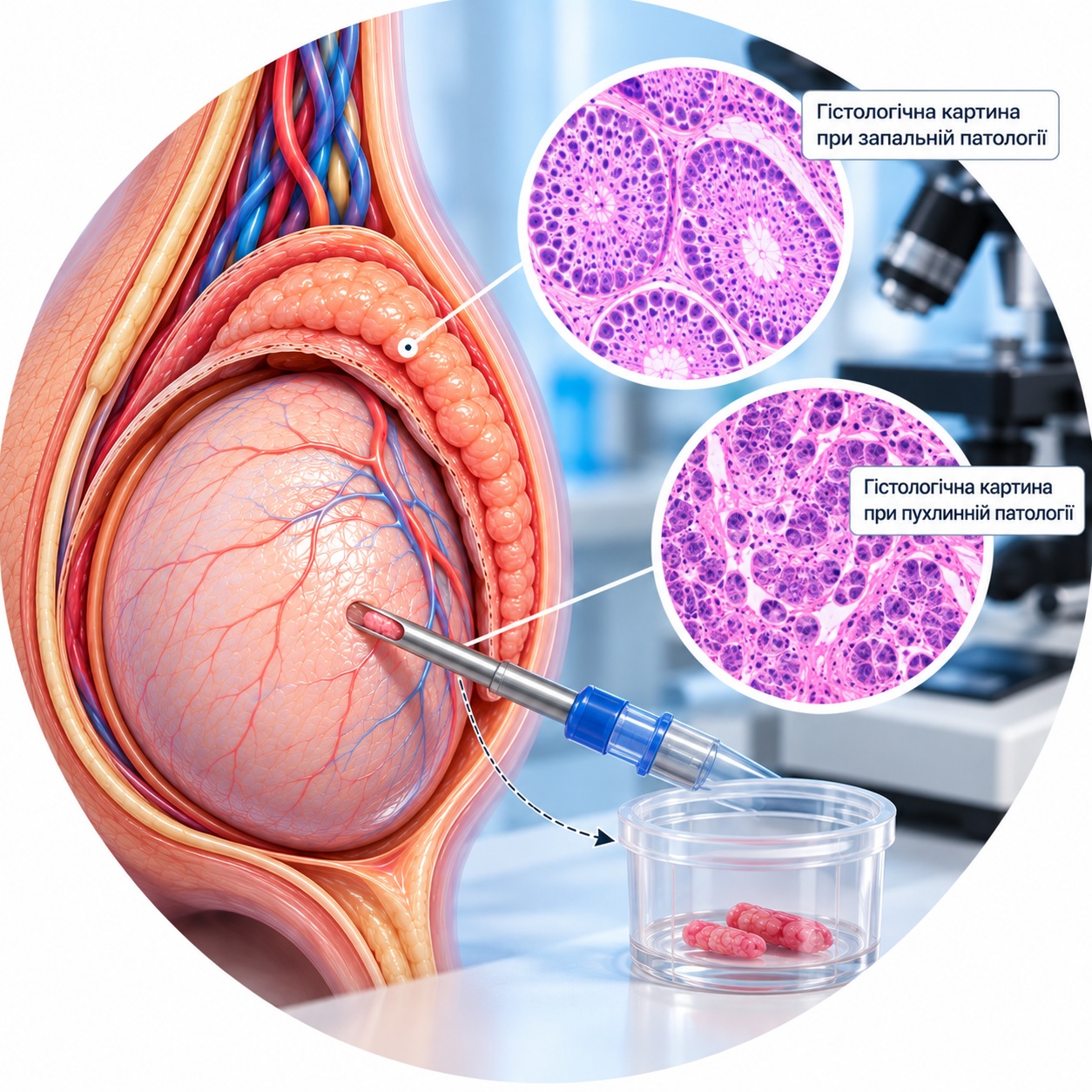
Testicular biopsy for inflammatory or tumor pathology (PG047) — histological examination of a sample of testicular tissue to assess its cellular and structural structure, identify signs of an inflammatory process or pathological changes of a tumor nature.
Histological material is taken only in medical institutions.
Testicular biopsy — is a procedure for obtaining a sample of male gonadal tissue for histological analysis. It is performed in cases where imaging methods (ultrasound) or tumor marker tests do not provide a clear answer about the nature of the formation. Code PG047 covers the study of the material to differentiate between chronic inflammation (orchitis) and neoplasms. This procedure is extremely important for determining the exact cause of the pathology, as timely diagnosis can significantly affect further treatment. Testicular biopsy in inflammatory processes It can detect infections or autoimmune reactions that can lead to testicular dysfunction. This procedure provides doctors with the information they need to make informed clinical decisions.
Research objective: The main task is morphological verification of the pathological process. Since testicular tumors are often aggressive and occur in young men, it is extremely important to establish the diagnosis as quickly and accurately as possible. The study allows you to distinguish benign conditions (cysts, granulomatous inflammation) from germinal tumors (seminomas and non-seminomas).
What does the pathologist evaluate:
Cellular composition: search for atypical cells characteristic of germ cell tumors (seminoma, embryonal cancer, yolk sac tumor).
Degree of inflammation: assessment of the severity of tissue infiltration by leukocytes and the presence of fibrosis in chronic orchitis.
Spermatogenesis status: In pathological conditions, the condition of the convoluted seminiferous tubules and the presence of sperm precursor cells are also assessed.
Presence of germ cell intratubular neoplasia (GCNIS): detection of precancerous changes that may precede the development of an invasive tumor.
Vascular invasion: checking for the presence of tumor cells in blood vessels, which is a key factor in prognosis.
Clinical significance: For the urologist and oncologist, the result of the PG047 code is the basis for choosing the scope of the operation. If the malignant nature of the process is confirmed, a radical orchiectomy is usually performed. In case of detection of specific inflammation (for example, of tuberculous or autoimmune origin), appropriate conservative therapy is prescribed, which allows preserving the organ.
When is it prescribed:
the presence of a dense mass in the testicle, detected by palpation or ultrasound;
inconsistency of tumor marker levels (AFP, hCG) with the clinical picture;
suspicion of specific infectious lesions (tuberculosis, testicular syphilis);
differential diagnosis in chronic recurrent epididymo-orchitis;
monitoring the condition of the second testicle in case of previously suffered cancer.
| Execution time | 2 days |
|---|---|
| Type of biomaterial | Tissues and organs |
Useful tests