
Tests for kindergarten and school: complete list 2026
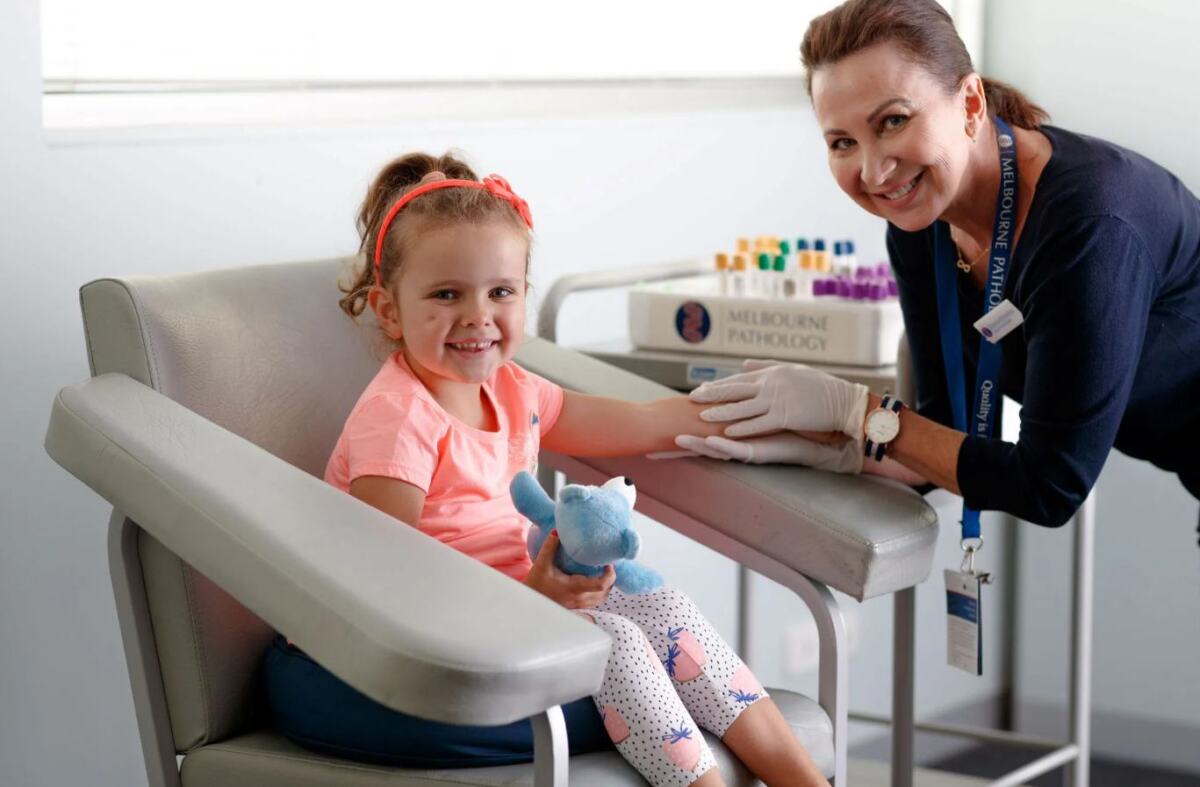
In 2026, parents will no longer need to collect several different medical certificates for their child's admission to kindergarten or school. Now there is a single form 086/o, which is issued by a primary care physician — a family doctor or pediatrician. It is she who is submitted to the educational institution. The current procedure for preventive medical examinations of children also directly provides that based on the results of the examination, an extract is issued to the educational institution in the form 086/o.
The most important thing parents need to know: in 2026 there is no one universal list of tests that every child needs equally just because they go to kindergarten or school. The base list is tied to child's age, and all additional laboratory tests are prescribed by the doctor only when necessary. This means that for some, a standard preventive examination will be enough, while for others, additional examinations will be required.
What is included in a medical examination before kindergarten and school?
Before issuing a certificate, the doctor does not just “put a stamp”, but conducts a full preventive examination. He collects anamnesis, examines the child, checks for signs of acute illness or chronic conditions, assesses height and weight, vision, hearing, posture and arch of the foot. It is after this that the doctor decides what tests are needed based on age and whether anything additional is needed.
It is especially important that from 2024, parents usually do not need to go to many specialists on their own. The basic examination is performed by a primary care physician, and the child is referred to other specialists only when there are grounds for this during the examination.
Complete list of tests in 2026: what to focus on
It is most convenient to look not at the phrase “for kindergarten” or “for school”, but at child's age. This is exactly how the current procedure for preventive medical examinations is structured.
| Child's age | What is included in the basic list of tests? |
|---|---|
| 4 years | There are no routine laboratory tests in the basic list. |
| 5 years | Complete blood count, blood test for glucose, general urine analysis |
| 6–9 years | There are no routine laboratory tests in the basic list. |
| 10 years | Complete blood count, blood glucose test, complete urine test |
| 11–13 years old | There are no routine laboratory tests in the basic list. |
| 14 years old | Complete blood count, blood glucose test, complete urine test |
| 15–17 years old | There are no routine laboratory tests in the basic list. |
This age list is enshrined in the current procedure for preventive medical examinations of children aged 4–18. It is the official basis for what is done to all children by age.
What does this mean for kindergarten?
For most children entering kindergarten, the key age will be 4 or 5 years old. If a child 4 years, there are no mandatory laboratory tests in the basic list. If the child 5 years, the preventive examination includes a general blood test, a blood test for sugar and general urine analysis. That is, in 2026 the list tests for kindergarten do not depend from the very fact of admission, but from how old the child is at the time of the examination.
This is an important point, because many parents are still guided by the old lists of “the same tests for everyone.” In fact, the logic is different now: first, a doctor’s examination, then basic tests according to age, and everything else only according to indications.
What does this mean for the school?
The same logic applies to school. If a child goes to, for example, 1st grade in 6 or 7 years old, then in the official basic list for this age there are no mandatory laboratory tests for everyone without exception. If the examination falls on 10 or 14 years, then a complete blood count, glucose, and a complete urine test are added.
That is why in 2026 it is more correct to say not “what tests are needed in 1st grade”, but “what tests are needed for a child of her age according to the current medical examination procedure”. This helps to avoid unnecessary tests and unnecessary expenses.
What tests are prescribed additionally?
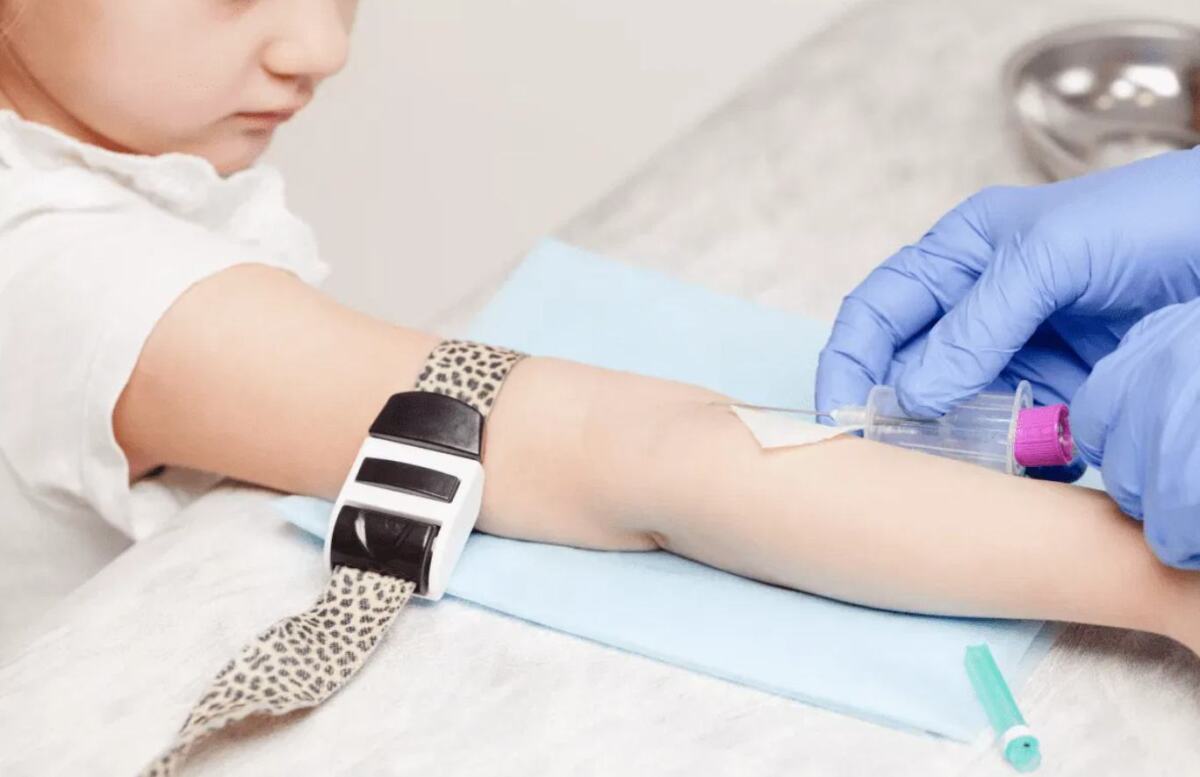
If during the examination the doctor sees grounds for a more extensive examination, he may refer the child for additional laboratory or instrumental examinations or to specialized specialists. The law directly stipulates that all additional tests are prescribed only on indications. That is, they are not included in the “mandatory package for everyone”.
That is why tests such as stool tests, additional blood biochemistry, extended consultations, or other studies should not be automatically required for every child just for enrollment in an educational institution. If a doctor prescribes them, there should be a specific reason for this.
What about stool analysis for worm eggs?
This is one of the most frequently asked questions by parents. The current official age list for preventive examinations for children aged 4–18 years stool analysis for worm eggs not included in the basic list for everyone. If it is prescribed, it already belongs to additional studies according to indications or to the individual decision of the doctor after the examination.
Therefore, in 2026, you shouldn't automatically rush to take this test "because that's how it's always been done." First, it's better to get checked by your pediatrician or family doctor and clarify whether your child really needs it.
Vaccinations are separate from tests
To complete the 086/o form, the doctor also evaluates the child's preventive vaccinations by age. This is a separate block that does not replace tests, but is important for completing medical documentation before kindergarten or school. The Public Health Center separately reminds that to obtain the 086/o form, the child must have the necessary vaccinations according to age and the National Calendar of Preventive Vaccinations.
In other words, parents need to check two things: whether the child has passed the preventive examination and whether the vaccinations are in order. Tests are only one part of this process.
Who issues the certificate in 2026?
In 2026, a certificate for kindergarten and school will be issued by a primary care physician — a family doctor or pediatrician with whom the child has a declaration. It is he who conducts or coordinates the preventive examination, prescribes basic and additional examinations, and enters a conclusion in form 086/o.
This means that the main point of entry for parents is not the registry of a dozen narrow specialists, but their own doctor, who already knows the child or at least maintains their medical records.
What parents should remember
In 2026, for kindergarten and school, single certificate 086/o. The mandatory list of tests is determined by not by type of institution, and by child's age. For ages 4, 6–9, 11–13, and 15–17, there are no routine laboratory tests in the basic list, while for ages 5, 10, and 14, a complete blood count, glucose, and urine test are standard. The doctor adds all other tests only when he sees a need for them.
Therefore, the best strategy for parents is simple: first make an appointment with your pediatrician or family doctor, undergo a preventive examination, and only then perform only those tests that are truly necessary based on the child's age or health condition. This way, it's faster, easier, and without unnecessary examinations.

Director of Medi Lab Plus LLC, a doctor of the highest category. Has over 45 years of practical experience in medicine and laboratory diagnostics. Founder and head of the laboratory since 2007. More details…

