


Posts by Medilab An

Pollinosis: why "seasonal rhinitis" is a serious disease

Pollinosis: why is «seasonal rhinitis» a serious disease? Every year in April you start sneezing, your nose runs, your eyes itch?— Probably just an allergy to spring... Does it sound familiar? That’s why so many people don’t even suspect that they have pollinosis, one of the most common allergic diseases in the world. Its symptoms are often confused with a cold, and treatment is postponed, believing that it will «go away on its own.» But ignoring pollinosis can lead to chronic inflammation of the respiratory tract, bronchial asthma, and constant exhaustion. What happens to the body during pollinosis It all starts with plant pollen — microscopic particles that the patient’s body mistakenly perceives as an enemy. The immune system triggers a hyperreaction, produces histamine, and the body begins to defend itself: tearing, sneezing - to "wash out" the allergen runny nose and nasal congestion - as a result of inflammation itching and sore throat - due to irritation of the mucous membrane skin rashes or exacerbation of dermatitis - in sensitive people Pollinosis often has...

Coenzyme Q10: energy, heart and youth in every cell
Constant fatigue, lack of strength even after rest, reduced endurance or prolonged recovery from illness - all this we often attribute to age, work or stress. However, sometimes the reason is much deeper - the cells simply do not have the fuel to work properly. And this "fuel" is coenzyme Q10 - a key molecule without which the body's energy system does not work. Its deficiency can imperceptibly but seriously affect well-being. What is coenzyme Q10 and what function does it perform Coenzyme Q10 (ubiquinone) is a vitamin-like substance found in mitochondria - the energy stations of each cell. It participates in: the production of adenosine triphosphate (ATP) - the main source of energy antioxidant protection of cells from damage stabilization of cell membranes work of the heart, muscles, brain support of immunity slowing down aging processes Its action is especially important in organs with high energy needs - the heart, liver, brain, kidneys. Symptoms and consequences of coenzyme Q10 deficiency When...

ELISA analysis for infections: an accurate diagnostic method
Infectious diseases remain a serious threat to human health worldwide. Timely detection of infections allows you to start treatment at an early stage and avoid complications. One of the leading methods of laboratory diagnostics is the enzyme-linked immunosorbent assay (ELISA). In this article, we will consider its purpose, advantages and application in the diagnosis of infections. What is an ELISA test? ELISA test (enzyme-linked immunosorbent assay) is a laboratory method that allows you to detect antibodies or antigens in biological fluids, most often in the blood. Thanks to this, you can determine the presence or absence of an infectious process even in the absence of clinical symptoms. The technique is based on the specific interaction of antibodies and antigen with the subsequent detection of this reaction using an enzymatic system. Advantages of ELISA test ELISA has a number of significant advantages: high sensitivity and specificity, the possibility of diagnosis in the early stages of infection, the ability to detect even minimal amounts of antibodies or antigens, the convenience of mass examination, availability in most medical institutions. Due to these characteristics, ELISA is widely used in clinical practice. What infections...
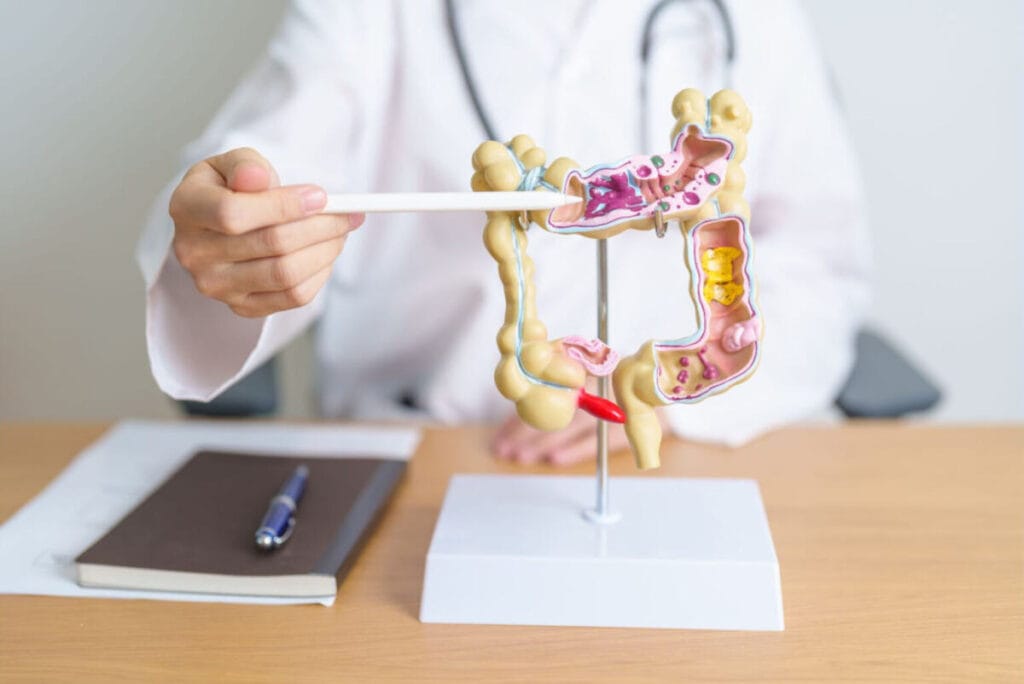
Intestinal infections: symptoms, diagnosis, course and prevention
What are intestinal infections and why are they dangerous? Intestinal infections are a group of diseases that occur as a result of pathogenic microorganisms that affect the gastrointestinal tract entering the body. Most often, pathogens are transmitted through food, water, dirty hands or contact with a sick person. According to WHO, more than 1.7 billion cases of diarrheal diseases are registered in the world every year. Children under 5 years of age, pregnant women and the elderly are especially vulnerable, in whom dehydration can develop rapidly against the background of an infection. Main pathogens of intestinal infections Type of pathogen Examples Bacteria Salmonella, Shigella, Campylobacter, E. coli Viruses Rotavirus, norovirus, astrovirus, adenovirus Parasites Giardia, cryptosporidia, amoebas Candida fungi (in severe cases or after antibiotics) Different pathogens cause similar symptoms, but may require a completely different approach to treatment. Typical symptoms of intestinal infections: sudden onset of illness, nausea, vomiting, frequent loose stools (up to 10 times a day), abdominal pain, bloating, cramps, fever, dehydration (especially in children): dry lips, decreased urine output, lethargy, headache...
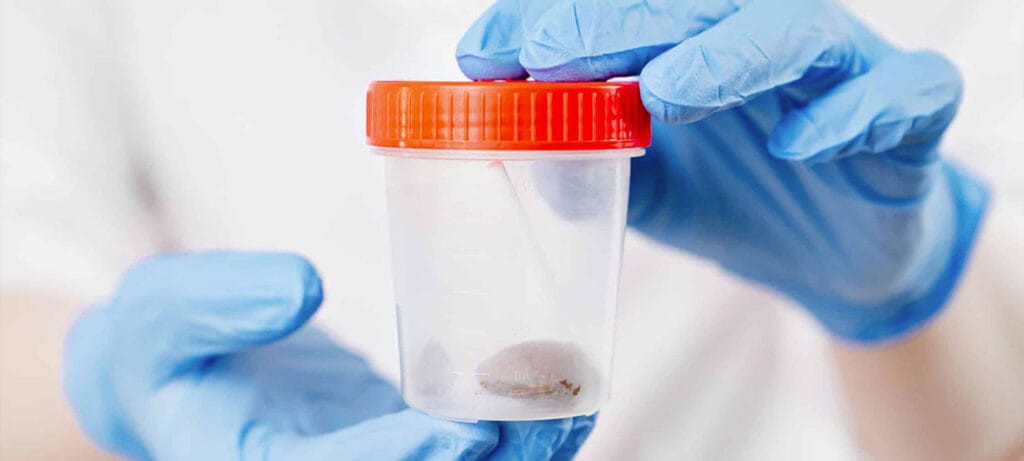
Stool culture: slow but accurate diagnosis of gastrointestinal problems
Why is this analysis still considered the "gold standard"? At a time when PCR tests provide results in a few hours, bacteriological stool culture remains indispensable for the accurate detection of live pathogenic bacteria that cause gastroenterological diseases. Its main value is not only in identifying the pathogen, but also in determining sensitivity to antibiotics. No express method gives such a result. What exactly is examined in a stool sample During the study, laboratory technicians: transfer the stool sample to nutrient media for 3–7 days observe the growth of colonies identify pathogens (if necessary, to the species) conduct an antibiogram Thus, you can see the complete bacteriological picture of the intestinal microflora and identify aggressive or conditionally pathogenic bacteria. In which situations can you not do without bacterial culture This analysis is not prescribed to everyone in a row. It is relevant when: diarrhea lasts more than 3 days and is not treatable; salmonellosis, shigellosis, campylobacteriosis is suspected; the patient has been in contact with a patient with an intestinal infection; it is necessary to exclude...

Blood test after eating: why it is done and what you need to know
Most blood tests require fasting blood tests. But sometimes the doctor specifically prescribes a test after eating. Such a recommendation often causes surprise among patients: why is it important to donate blood after eating and how to do it correctly? In this article, we will consider when a blood test after eating is prescribed, what it shows and how to prepare properly. Why do a blood test after eating Some disorders in the body cannot be detected if the blood is tested only on an empty stomach. Nutrition triggers complex metabolic processes, and it is during this period that hidden problems may appear: disorders of carbohydrate metabolism (diabetes mellitus, prediabetes) abnormalities in the pancreas changes in fat metabolism (hypertriglyceridemia) failures in hormonal regulation After eating, the body actively processes glucose and fats. If these processes are disturbed, a blood test will help to detect this at an early stage, before serious symptoms appear. In which cases does the doctor prescribe a blood test after eating Main indications...

Nanotechnology in diagnostics: precision that is changing medicine
The medicine of the future has long been no longer a fantasy. Today, scientists are able to create devices smaller than a human cell that can detect diseases before symptoms appear, recognize single molecules of viruses or mutations, and instantly transmit the results to a doctor. This is the world of nanotechnology in diagnostics - a revolutionary direction that opens up new horizons in early detection of diseases and personalized medicine. What is nanotechnology in medicine Nanotechnology is the use of structures ranging in size from 1 to 100 nanometers, which allows you to work at the molecular level. In medicine, they allow you to create intelligent nanostructures that: detect diseases in fluids or tissues deliver drugs to specific cells interact with genetic material change color, shape, or electrical properties when they encounter certain molecules Nanodiagnostics has become the core of a new approach - preventive medicine, where diseases are not treated, but prevented before the clinical picture appears. Types of nanomaterials used in diagnostics Type of nanostructure Function in diagnostics Gold and silver-containing...
Annual check-up: health care that saves lives
Why do you need to get checked when nothing hurts? Most people postpone a visit to the doctor until symptoms appear. But modern medicine proves that many diseases develop painlessly and do not make themselves felt for a long time. An annual medical examination allows you to detect diseases in the early stages, when they have not yet had time to cause harm or become chronic. Prevention is not only about timely detection of problems. It is about confidence in your condition, maintaining the quality of life, and in many cases, increasing life expectancy. What does a standard annual examination include? The content of the examination may vary depending on age, gender, lifestyle and associated risk factors. But the basic list for an adult usually includes: Type of examination What is checked Complete blood count Detection of anemia, inflammatory processes Complete urine analysis Kidney condition, possible infections Blood test for glucose Risk of diabetes Lipid profile Cholesterol level, prevention of atherosclerosis ECG Heart function, risk of arrhythmias, ischemia Fluorography or chest X-ray Lung condition, tuberculosis Examination by a therapist General health assessment,...

Congenital pathologies: what they are and how to detect them at an early stage
What are congenital pathologies? Congenital pathologies are structural or functional disorders that arise during the intrauterine development of a child. They can be detected immediately after birth or after a certain time, when symptoms become noticeable. Congenital defects can affect any system of the body: cardiovascular, nervous, musculoskeletal, digestive, etc. According to the World Health Organization (WHO), about 6% newborns in the world have one or more congenital pathologies. In most cases, these conditions are amenable to early diagnosis and, if necessary, medical or surgical intervention. Causes of congenital pathologies Factor Description Genetic Hereditary diseases, gene mutations or chromosomal abnormalities Exogenous (external)** Exposure to toxins, alcohol, drugs, infections during pregnancy Infectious TORCH group infections: toxoplasmosis, rubella, cytomegalovirus, herpes Metabolic Metabolic disorders in the mother or fetus Unidentified Some defects have no clear cause Types of congenital pathologies Congenital anomalies are divided into structural and functional. Structural (anatomical) defects: heart defects (tetrad of Fallot, defects of the interatrial or ventricular septum) cleft lip and palate defects...

Neurotransmitters: The Chemistry of Emotion, Memory, and Behavior
What are neurotransmitters? Neurotransmitters are biochemicals that transmit signals between nerve cells (neurons) in the brain and throughout the nervous system. They are also called neurotransmitters. They are the main "speakers" of the nervous system, responsible for mood, anxiety levels, concentration, appetite, sleep, and even pain. When a neuron receives an electrical impulse, it releases a certain neurotransmitter into the synaptic cleft, the space between cells. Another neuron receives this signal through receptors. This is how everything from thoughts to body movements is formed. Types of neurotransmitters and their functions Name of the neurotransmitter Main functions Imbalance manifests as Serotonin Mood, appetite, sleep, memory Depression, anxiety, sleep disorders Dopamine Motivation, pleasure, movement, learning Parkinson's, apathy, addiction, psychosis Norepinephrine Focus, arousal, stress response Anxiety disorders, hyperactivity GABA Inhibitory effect, anxiety reduction Convulsions, panic attacks, anxiety Glutamate Neuronal excitation, memory, learning Neurodegeneration, epilepsy Acetylcholine Muscle activity, attention, memory Alzheimer's disease, coordination disorders Endorphins Pain, pleasure, emotional comfort Irritability, lowering the pain threshold Examples of the action of neurotransmitters in everyday life Coffee stimulates the release of dopamine and norepinephrine -...
