


Posts by Medilab An

Rapid STI tests: a modern approach to self-diagnosis

STIs as a health threat Sexually transmitted infections (STIs) remain one of the most global public health problems. According to WHO, more than 1 billion cases of STIs are recorded worldwide each year. The most common of them are chlamydia, gonorrhea, syphilis, human papillomavirus (HPV) and immunodeficiency virus (HIV). Many of these infections may not show symptoms for a long time, making diagnosis difficult. This became the prerequisite for the widespread introduction of rapid tests - a convenient method for detecting STIs at an early stage. What are rapid tests and how do they work Rapid STI tests are diagnostic systems that allow you to detect signs of infections directly in 15–30 minutes. Most often, they detect antibodies (immune response to the pathogen) or antigens (particles of the pathogen itself). A drop of blood, saliva, urine or a swab from the mucous membrane is usually used to conduct the test. The method is similar to rapid tests for COVID-19 or pregnancy: the result is read visually using a colored strip or...

The brain-gut connection: how digestion affects our mood
Have you ever felt "butterflies in your stomach" before an important event? This is not just a figurative expression. Modern science confirms that the brain and gut are closely connected by a complex network of neural, immune and hormonal signals. That is why stress or anxiety can cause digestive disorders, and the state of the intestinal microflora can affect mental health. This phenomenon is called the gut-brain axis. Recent studies show that our mood, behavior and even the risk of developing depression may depend on the state of the intestinal environment. What is the gut-brain axis The gut-brain axis is a two-way communication channel between the central nervous system (brain) and the gastrointestinal tract. Main mechanisms of interaction: Vagus nerve: the main conductor of signals between the brain and the gut Microbiome: billions of bacteria in the gut secrete substances that affect the brain Immune system: changes in the gut can activate an immune response that affects brain function Hormones and neurotransmitters: serotonin, dopamine, GABA - many...

The effect of alcohol on tests
Why alcohol changes test results Alcohol, even in moderate doses, can significantly affect the results of laboratory tests. Its consumption before taking tests can lead to false readings, which complicates diagnosis and treatment. Ethanol affects liver and kidney function, hormonal balance, glucose and lipid levels in the blood. Tests sensitive to alcohol Biochemical indicators and alcohol Alcohol activates the liver, which leads to an increase in enzymes - alanine aminotransferase (ALT), aspartate aminotransferase (AST), gamma-glutamyltransferase (GGT). In practice, a case was recorded when a patient drank wine the day before the test, and his GGT was 98 units/l with a norm of up to 51. A repeated test after 72 hours (without alcohol) showed 47 units/l. Conclusion: alcohol can create a false impression of liver pathologies. Effect on glucose levels Ethanol slows down gluconeogenesis, the process of glucose production by the liver. In a patient with suspected diabetes, after drinking beer before the test, the glucose level dropped to 3.4...

Proteomics: from protein profiles to clinical solutions
Proteomics is the science that studies the proteome, that is, the set of all proteins synthesized by a cell, organ, or organism at a specific point in time. It is a dynamic information system that changes under the influence of environmental conditions, diseases, medications, or stress. It is these changes that provide the key to understanding the mechanisms of diseases, their early diagnosis, and the choice of therapy. From genes to proteins: why the proteome is more important in the clinic While the genome is a permanent structure that reflects hereditary information, the proteome reflects the real activity of the cell. It determines which proteins are formed, in what quantities, what their activity is, and how they interact. Professor Lyudmila Andrusenko, a specialist in molecular biology, notes: «The genome says what can be. The proteome shows what actually is.» Proteomics in medicine: four key directions 1. Biomarkers for early diagnosis Proteins that change their concentration in the early stages of the disease are used as markers. For example, elevated troponin levels are one of...

Anemia test: how to detect iron, vitamin and oxygen deficiency
Anemia is one of the most common conditions in the world. It affects about 30% of the world's population, but often goes unnoticed. A person simply gets used to fatigue, pallor, shortness of breath. And only when the symptoms begin to interfere with work or active living, the question arises: "Isn't this anemia?" In fact, checking is simple. One analysis can give an answer and prevent complications. Anemia: what is it and why diagnostics are important Anemia is a decrease in the amount of hemoglobin or red blood cells in the blood, which leads to impaired oxygen transport. In this case, the body's cells literally "suffocate". The brain, heart, muscles - everything works in oxygen deficiency mode. The consequences are reduced performance, deterioration of cognitive functions, metabolic disorders, organ damage. Early diagnosis of anemia allows not only to restore health, but also to avoid complications such as heart failure, chronic hypoxia of the brain, and decreased immunity. Symptoms of anemia: how they differ in adults, children and pregnant women Anemia manifests itself differently, depending on...
Rare genetic diseases: invisible challenges for medicine and the family
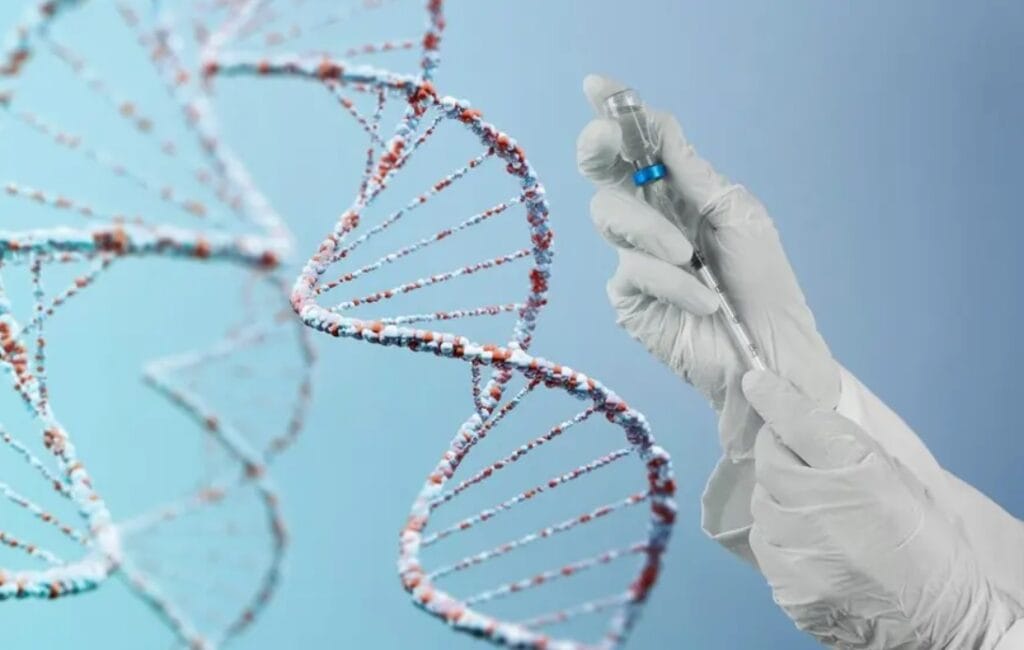
What are rare genetic diseases? Rare (orphan) genetic diseases are diseases that occur in less than 1 in 2,000 people. Most of them are hereditary and manifest themselves in childhood, although some may remain unnoticed until adulthood. Despite the low prevalence of each individual pathology, the total number of patients with rare diseases in the world is millions. In more than 80% of such cases, genetic mutations are the cause. How do these diseases arise? Genetic changes can be: inherited from parents - when both carry a mutant gene (for example, in autosomal recessive inheritance) de novo mutations - arising spontaneously in the embryo as a result of chromosomal rearrangements or point mutations Even a single mutation can change protein synthesis, leading to impaired function of cells, tissues and entire systems. Examples of rare genetic diseases Name of the disease Main manifestations Cystic fibrosis Respiratory distress, frequent infections, digestive problems Rett syndrome Loss of speech and motor skills in girls after 6 months....
The autonomic nervous system: the master of internal balance
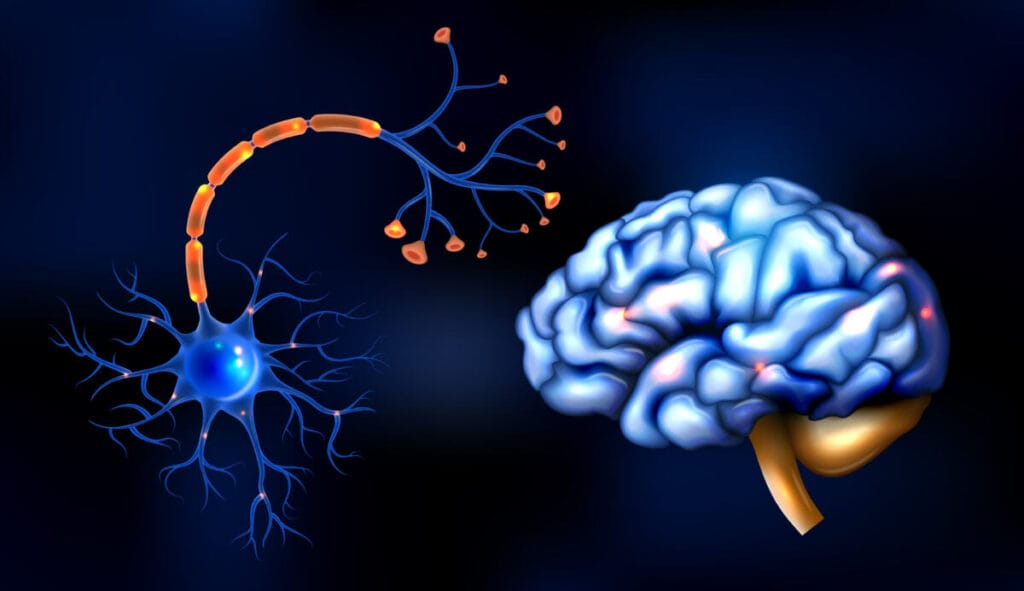
The autonomic nervous system (ANS) is the part of the nervous system that works without our conscious participation, but every second regulates vital processes: breathing, heartbeat, digestion, excretion, body temperature. It is thanks to it that we do not think about how the heart beats or the stomach functions. In this article, we will consider its structure, functions and connection with many diseases. The structure of the autonomic nervous system of the ANS consists of two main departments, which often act in opposite directions, creating a dynamic balance: Sympathetic department - activates the body in response to stress ("fight or flight"). Increases heart rate, pressure, dilates pupils, slows down digestion. Parasympathetic department - is responsible for recovery, relaxation and digestion ("rest and digest"). Reduces pulse, activates the secretion of digestive juices, stimulates intestinal peristalsis. Both departments work in close relationship and mutual balance. This balance is extremely important for health. Functions of the ANS in the body The autonomic system performs dozens of key tasks, including: regulation of heart rate...
Inhaled allergens: how to recognize and control them
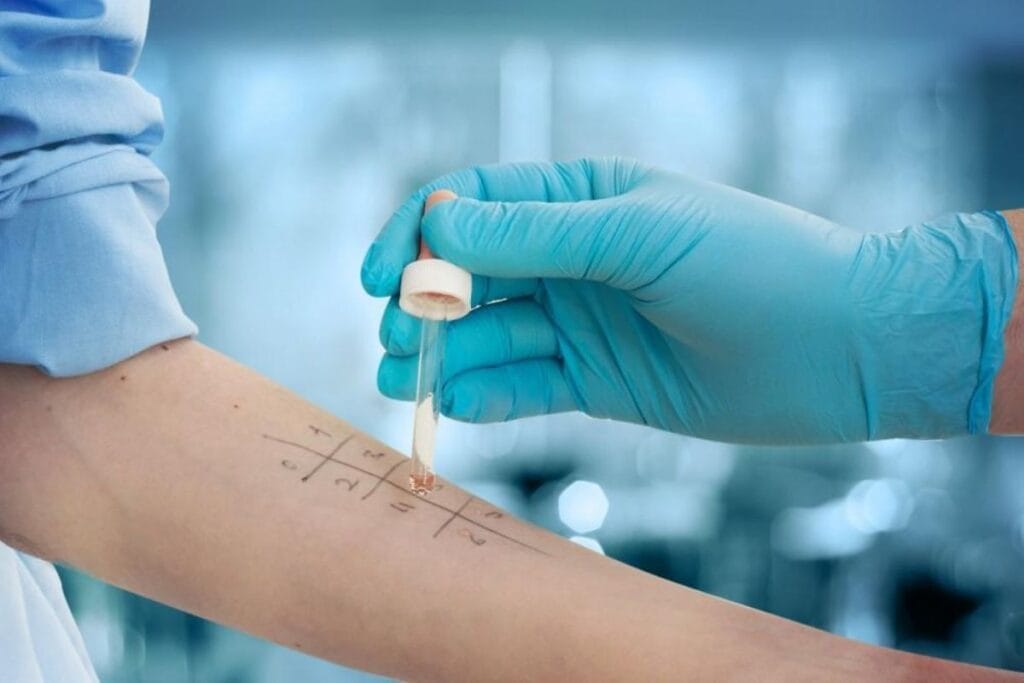
Inhaled allergens are microscopic particles that enter the human body during breathing. In sensitive individuals, they can cause allergic reactions, including rhinitis, conjunctivitis, cough, and bronchial asthma. Knowing the sources of such allergens and diagnostic methods helps reduce the risk of worsening symptoms. Main types of inhaled allergens There are several common groups of inhaled allergens: Pollen allergens. Pollen from trees (birch, alder), grasses (timothy, feather grass), and weeds (ragweed) is one of the most common causes of seasonal allergies. House dust. Contains house dust mites, which are strong allergens. Mold. Spores of the fungi Aspergillus, Cladosporium, etc. can cause severe reactions. Animal hair and epidermis. It is not the hair itself that causes an allergic reaction, but proteins in the saliva, urine, and skin flakes of pets. Latex and chemicals. They are less common, but cause symptoms in professionally sensitive individuals. Symptoms of a reaction to inhaled allergens Depending on individual sensitivity, the patient may experience: a prolonged runny nose without...

Vitamin deficiency: why vitamin deficiency is more than just seasonal weakness
Do you wake up tired even though you slept for 8 hours? Your skin is dry, your lips are chapped, and your mood is at zero? If this sounds familiar, the reason may not be just stress or lack of rest. It is very likely that your body is simply not getting vital microelements. And it is not just about mild fatigue. Vitamin deficiency is a deep systemic disorder when the lack of one or more vitamins disrupts the normal functioning of the body: from skin and hair to the heart, immunity and nervous system. And often we start treating the symptom instead of finding the real cause - vitamin deficiency. What is vitamin deficiency and how does it differ from hypovitaminosis Vitamin deficiency is a condition of complete or critical absence of a certain vitamin in the body. While hypovitaminosis means only a decrease in the concentration of the vitamin, with vitamin deficiency, important biochemical processes are disrupted, clinically noticeable and potentially dangerous disorders occur. Unlike an acute infection, vitamin deficiency...

The importance of tumor markers in clinical practice
Tumor markers are specific biological substances that are produced in the body in response to the development of a tumor process or are secreted directly by the malignant cells themselves. Their determination is of important clinical importance at various stages of diagnosis, treatment and monitoring of the effectiveness of therapy for malignant neoplasms. What are tumor markers and how do they work? Tumor markers can be proteins, enzymes, hormones or metabolic products. Normally, they are either not detected in the blood at all or are present in very small concentrations. In oncological processes, their level often increases, which makes them a valuable diagnostic and prognostic tool. Clinical tasks solved with the help of tumor markers Screening and early diagnosis (e.g. PSA for prostate, AFP for liver cancer) Differential diagnosis in complex cases Prediction of the course of the disease Monitoring the effectiveness of treatment (lowering the level after surgery or chemotherapy) Detection of relapses (regular monitoring after remission) The most common tumor markers and their clinical significance Tumor marker Area of application Comment PSA Prostate cancer Used for screening and...
