


Posts by Medilab An
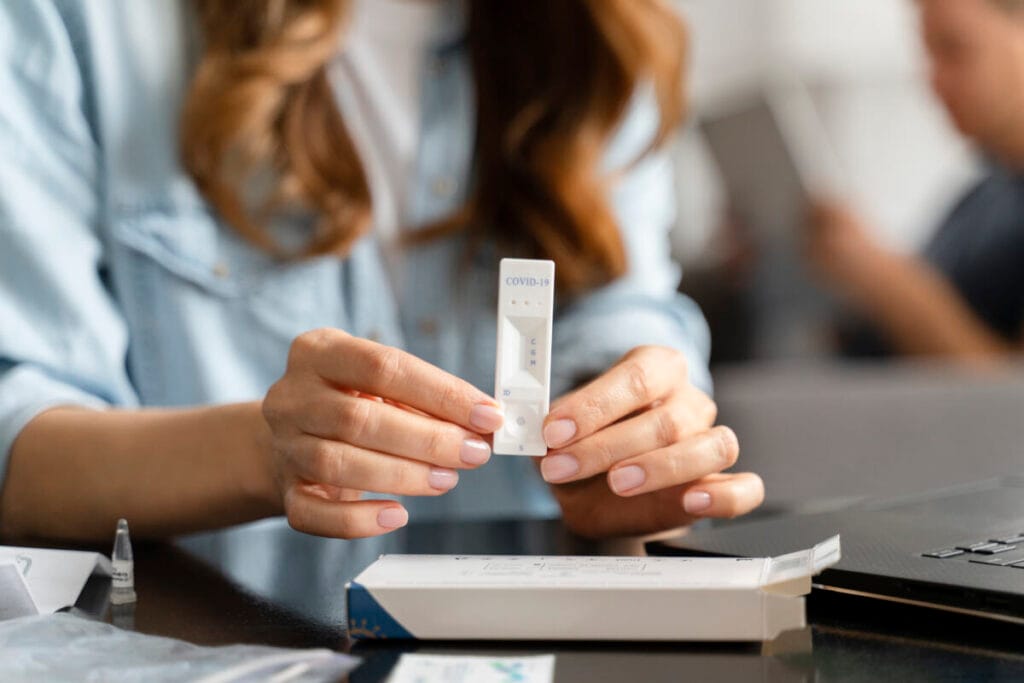
Express tests: how the habit of checking your health has changed

Not so long ago, diagnostics were associated with sterile offices, queues and long waits for results. Today, more and more often, the examination begins with a rapid test - in a pharmacy, in a private laboratory or even at home. Rapid tests have become part of everyday medicine, and this transformation is changing the rules of the game for doctors, patients and laboratories themselves. What has changed? A few years ago, rapid tests were associated mainly with pregnancy tests or glucometers for diabetics. Now the list has expanded several times. They are used for suspected viral infections, heart diseases, even when assessing liver or kidney function. The reason is not only convenience, but also a strategic need: to quickly determine whether hospitalization is required or whether outpatient observation is sufficient. Who uses rapid tests? Patients - for preliminary self-diagnosis at home Family doctors - as a tool for rapid assessment of the patient's condition Ambulance - for urgent screening in the field Clinics - to save time before vaccination,...

Diagnostics via mobile devices: a step towards digital medicine or a temporary trend?
Mobile technologies have long ceased to be just a means of communication. Today, smartphones, tablets, and even smartwatches have become tools for personalized medicine. But is diagnostics via mobile devices really a full-fledged alternative to traditional methods? Let's consider how the approach to medical control is changing and what digital convenience hides. What is mobile diagnostics? This is the use of portable gadgets to measure, monitor, or pre-analyze health status. Such solutions include: mobile applications for analyzing symptoms (for example, for flu, allergies, Covid-19); devices with Bluetooth connectivity - blood pressure monitors, glucometers, pulse oximeters; wearable sensors (wearables): smart watches, ECG trackers, oximeters; smartphone camera as a skin scanner: applications for detecting the risk of melanoma, moles, or acne; AI-analyzer of breathing or coughing sounds - from the phone's microphone. Examples of mobile diagnostics CardioMonitoring: watches with an ECG sensor analyze the heart rhythm and notify about possible atrial fibrillation. A glucose meter that connects to a smartphone: transmits data to a doctor...
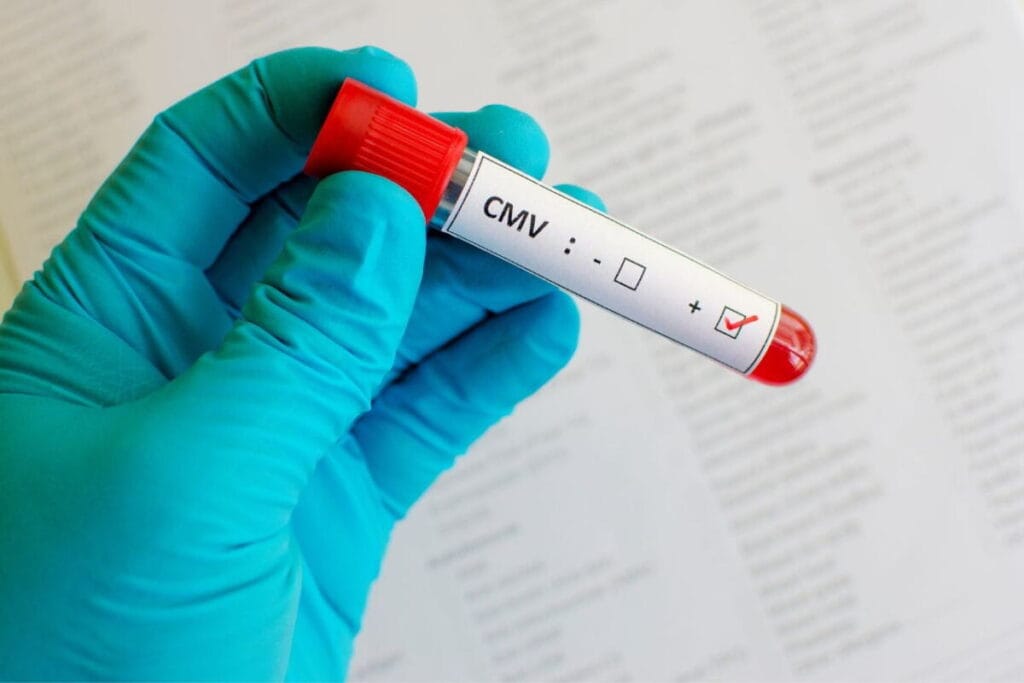
Cytomegalovirus test: who, why and what the results mean
«Why is this virus known to everyone, but almost no one talks about it?» Cytomegalovirus (CMV) is one of the most common viruses in the world. Most infected people do not even realize that they have become its carriers. However, in some situations — especially in pregnant women, newborns and people with weakened immunity — it can become a serious threat. That is why the cytomegalovirus test is an important part of prenatal, immunological and infectious screening. What is cytomegalovirus CMV belongs to the herpesvirus family (Herpesviridae) and has the property of remaining in the body in a latent state throughout life. It is transmitted: through saliva, tears, blood, semen, breast milk during childbirth (vertical route) by organ transplantation during immunosuppression (after chemo- or HIV infection) — it can reactivate In healthy adults, CMV usually does not cause symptoms or manifests itself as a mild cold. But in pregnant women, it is a potential factor in congenital infections, and in people with immunosuppression, serious...
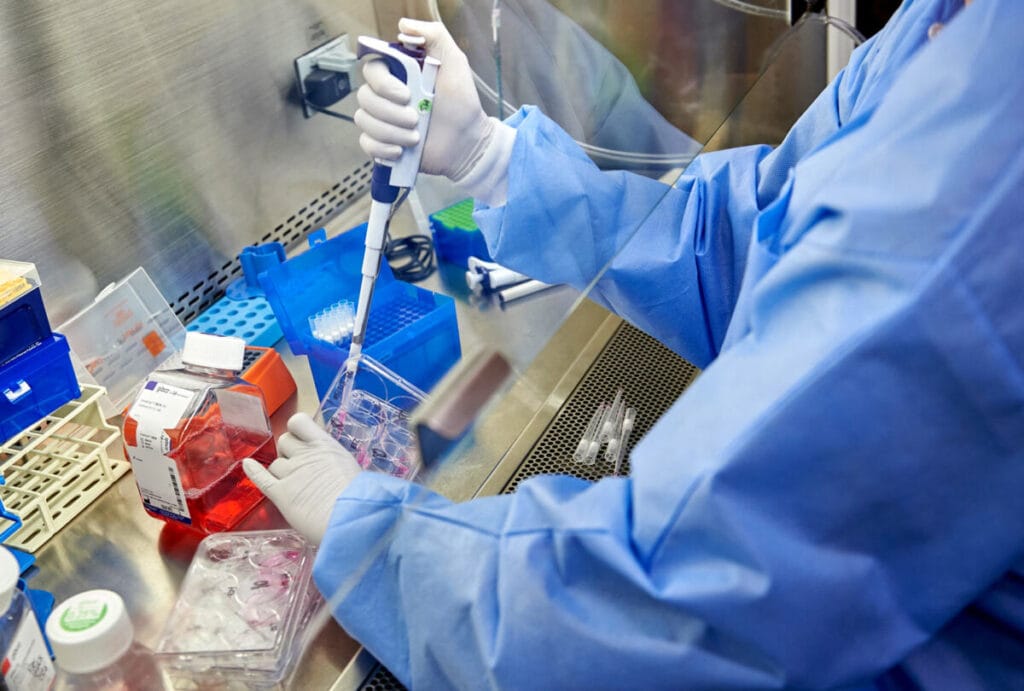
Genetic examination: goals, methods and applications in medicine and law
What is genetic testing? Genetic testing is a scientifically based DNA study to identify a person, establish family relationships, or detect genetic changes associated with diseases. It is carried out both for medical purposes (diagnosis of hereditary diseases, oncology) and in a legal context (in criminal and civil cases). This type of study is based on the analysis of unique DNA sections that remain stable throughout a person's life. Main areas of use Medical genetics: detection of mutations associated with hereditary diseases (e.g., Down syndrome, cystic fibrosis, Huntington's disease). Oncogenetics: determination of the risk of developing breast, ovarian, and colon cancer (BRCA1/2, APC). Prenatal diagnostics: examination of fetal DNA for the presence of chromosomal abnormalities. Pharmacogenetics: analysis of drug interactions taking into account the patient's genetic characteristics. Forensic examination: establishment of paternity, identification of a person, examination of DNA traces at a crime scene. Methods of genetic examination Method Purpose Sensitivity PCR (polymerase chain reaction) Rapid detection of specific mutations High DNA sequencing Complete decoding of the genetic code Very high STR analysis Comparison of short repeats for...

Hives: Causes, Symptoms, and What to Do If the Rash Doesn't Go Away
Skin redness, itching and sudden blisters that look like nettle burns - sounds familiar? If so, you may have encountered urticaria - an allergic reaction that can appear at any age and for a variety of reasons. It often occurs suddenly, causes severe discomfort and even panic, especially when the rash spreads throughout the body or is accompanied by swelling. Urticaria is not just a rash, it is a sign that the body is reacting to an irritant or internal imbalance. Sometimes it goes away on its own, and sometimes it becomes chronic, requiring careful diagnosis and long-term treatment. What is urticaria? Urticaria is an allergic or pseudo-allergic reaction that manifests itself in the form of red or pink blisters that rise above the skin level and are accompanied by severe itching. The rash usually disappears within 24 hours, but new elements may appear. Blisters are formed due to the release of histamine and other mediators from skin cells, which dilate blood vessels and cause swelling...
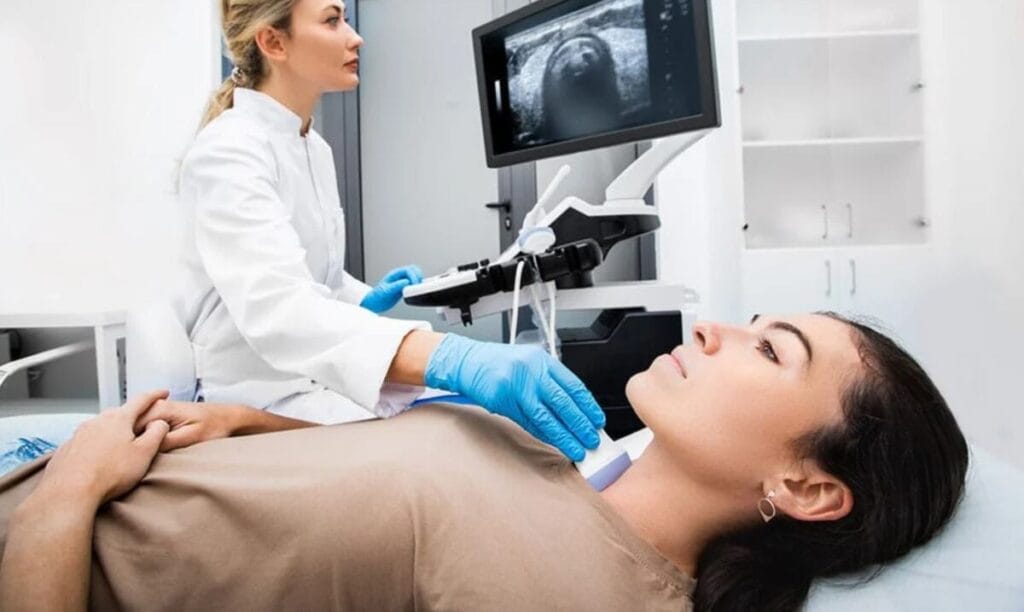
Thyroid Test: Three Stories That Started With Fatigue
Marina, 34 years oldAfter the birth of her second child, Marina felt constantly tired, was cold even in warm weather, and began to gain weight, despite dietary restrictions. A random visit to the therapist ended with a referral for a blood test for TSH. The result: increased TSH and decreased free T4 - classic hypothyroidism. Marina started taking levothyroxine and noticed an improvement in her well-being a month later. What was decisive: - mild but persistent symptoms - TSH level as the main marker - timely diagnosis without a complex examination Alexander, 42 years old Alexander noticed that his heart palpitations became more frequent, he felt anxious, and his body weight decreased, despite his usual diet. After consulting a cardiologist, he underwent a thyroid hormone profile. Results: decreased TSH and increased T4. Ultrasound did not reveal any nodules, but TPO antibodies were extremely high — the doctor diagnosed autoimmune thyroiditis with a hyperthyroid phase. What was decisive:– cardiac symptoms that did not correspond to age– testing for antibodies to...
Contactless tests: the future of diagnostics is today
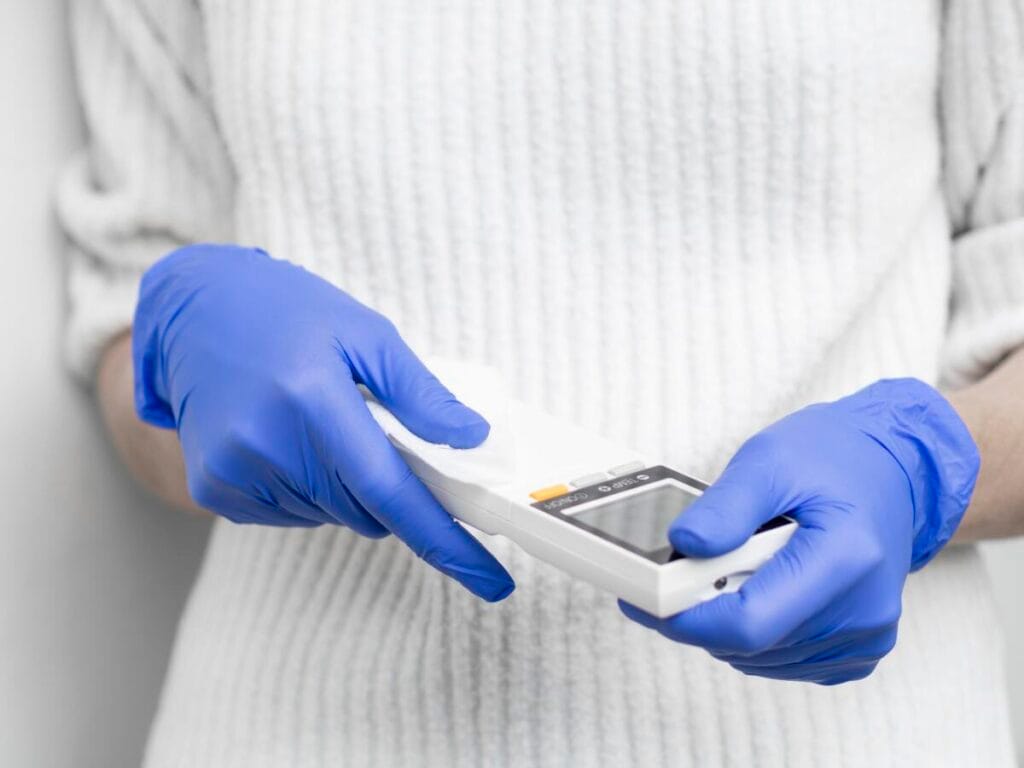
Until recently, blood or urine testing was necessarily associated with needles, containers and queues in laboratories. But modern medicine is changing. Classic methods are being replaced by non-contact tests - innovative approaches that allow diagnosing the state of the body without physically taking biomaterial. Thanks to the development of optical, acoustic, spectroscopic and electronic technologies, it becomes possible to assess glucose levels, pressure, pulse, saturation, hydration, even stress biomarkers - without punctures and pain. This is a revolution in personalized diagnostics. What are non-contact tests? Non-contact tests are methods of assessing health that do not require direct contact with biological fluids or invasive intervention. They are based on the following technologies: optical sensors (reflection, absorption, light scattering) multispectral imaging (including the IR range) electric fields, infrared waves, microwaves analysis of voice, skin, breathing, blood vessel pulsations mobile devices with sensors (gadgets, cameras) Types of non-contact analyses Analysis type Technology What measures Example Optical spectroscopy NIR, IR radiation Glucose, oxygen, hemoglobin Sensors in Apple Watch, GlucoTrack Thermography Infrared...

The effect of caffeine on tests: why you shouldn't drink coffee before a test
Can one cup of coffee really spoil the result? Yes. Caffeine is a biologically active substance that affects the cardiovascular, nervous, and endocrine systems. Even one cup of coffee in the morning before donating blood can: increase blood pressure activate adrenaline release change glucose and cortisol levels cause vascular spasm These changes are not pathological, but can distort laboratory indicators, especially in hormone and biochemistry tests. Tests that caffeine affects the most 1. Hormonal tests Caffeine activates the hypothalamic-pituitary-adrenal system, which leads to an increase in: Cortisol (stress hormone) Adrenaline, noradrenaline Thyroid-stimulating hormone (TSH) - fluctuations are possible Insulin (due to changes in glucose levels) For a correct assessment of the endocrine profile, it is important to donate blood on an empty stomach without coffee for at least 8–12 hours. 2. Biochemical blood test Caffeine affects metabolic processes: Liver enzymes (ALT, AST) - possible increase Glucose - increases due to activation of gluconeogenesis Cholesterol and triglycerides - may fluctuate Urea, creatinine - changes due to...

Tumor markers in bowel cancer: what the patient needs to know
Bowel cancer is one of the most dangerous forms of cancer, which is often detected in the late stages. For timely diagnosis and treatment control, tumor markers are actively used - special substances that are detected in the blood or other biological fluids during the development of the tumor process. The most important tumor markers in bowel cancer CEA (carcinoembryonic antigen) The main marker for monitoring colorectal cancer. Its increase often indicates the presence of a tumor in the colon or rectum. However, it can also be increased in smoking, cirrhosis, pancreatitis, so it is always taken into account comprehensively. CA 19-9 Although this marker is more often used in pancreatic cancer, it also provides valuable information in colorectal cancer, especially in combination with other markers. CA 242 A more specific marker for the intestine. It can detect tumors in the early stages and helps to avoid false-positive results characteristic of CA 19-9. TPS (tissue polypeptide-specific antigen) Shows the rate of cell division. Often increases in aggressive forms of tumors. Its level is used...
Analysis for noradrenaline: what it shows and when it should be taken
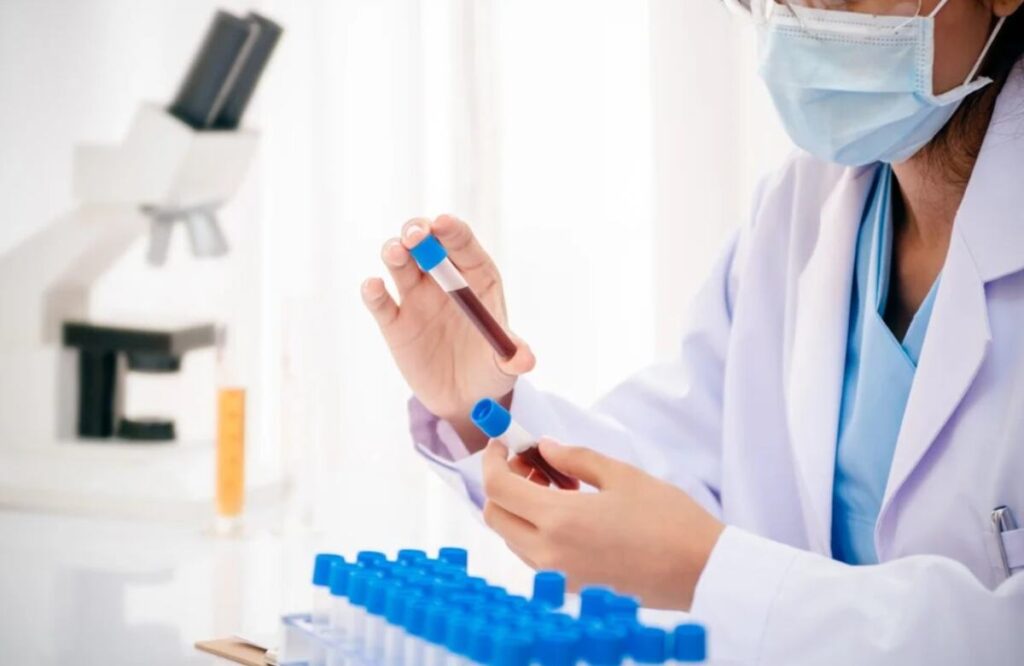
«"I'm constantly stressed. Is this normal or a hormonal failure?" The feeling that the body is working in emergency mode is familiar to many. Constant heartbeat, anxiety for no reason, sudden jumps in blood pressure are not always psychosomatic. Often these symptoms are of a hormonal nature, associated with catecholamines, in particular, noradrenaline. To find out the cause, it is enough to do an analysis for the level of noradrenaline in the blood or urine. What is noradrenaline? Noradrenaline is a hormone and neurotransmitter secreted mainly by the adrenal glands and the sympathetic nervous system. It is responsible for the "fight or flight" reaction, that is: increases blood pressure accelerates heartbeat constricts blood vessels mobilizes energy Normally, noradrenaline helps to cope with stress. But its excess or deficiency leads to disruptions in the cardiovascular system, sleep, mood, and metabolism. When is a noradrenaline test prescribed? Suspicion of pheochromocytoma or paraganglioma (hormonally active tumors of the adrenal glands) Constantly elevated blood pressure for no reason Paroxysmal hypertension with anxiety, sweating, palpitations Arrhythmias of unknown origin...
